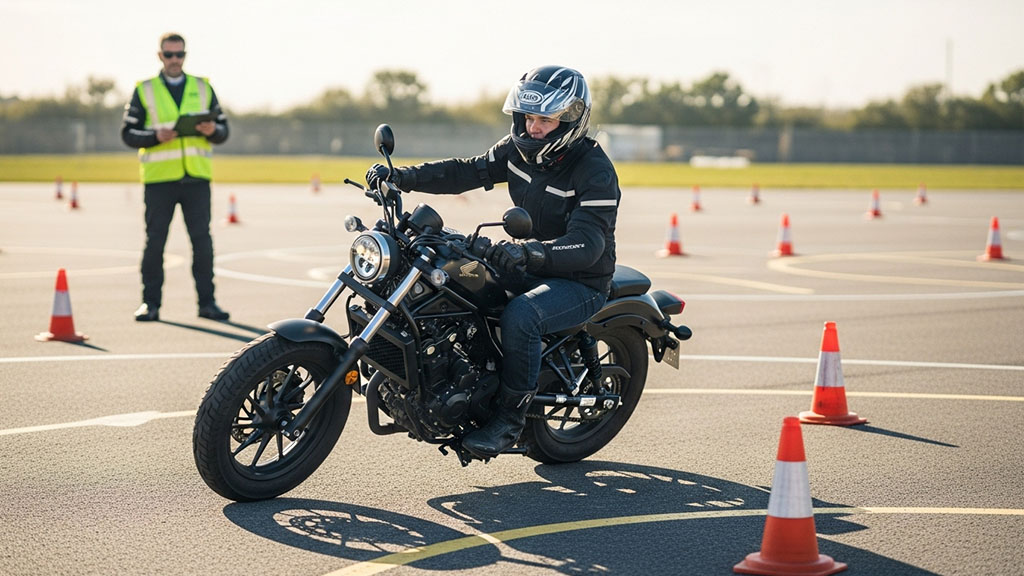
Each year, thousands of new motorcycle riders hit the road. In Montana, you’re not required to take a riding course — if you can pass the written and skills test at the Motor Vehicle Division, you’ll earn your motorcycle endorsement.
However, I strongly recommend that every new rider take the Basic Rider Course before riding on public roads. The course teaches the fundamentals of safe riding and helps you prepare for real-world conditions on Montana’s streets and highways.
Handling Power and Acceleration
One of the most common questions new riders ask is how to handle a large, powerful motorcycle safely when accelerating. My first piece of advice: don’t buy more bike than you can handle. Many new riders overestimate their ability and underestimate the power of modern motorcycles.
I remember my first bike — it wasn’t a Kawasaki Ninja, but it felt like one to me. Whether you’re new or experienced, always ride within your skill level. You control the throttle and clutch. If your bike doesn’t have a clutch, you still control the throttle, so get comfortable with it.
Learn to feather the clutch as you roll on the throttle and listen to the engine as the RPMs rise. Don’t launch into high speeds right away. Spend time in a vacant parking lot practicing slow turns, throttle control, and smooth clutch engagement. That practice will pay off when you hit the road.
Learning Every New Bike
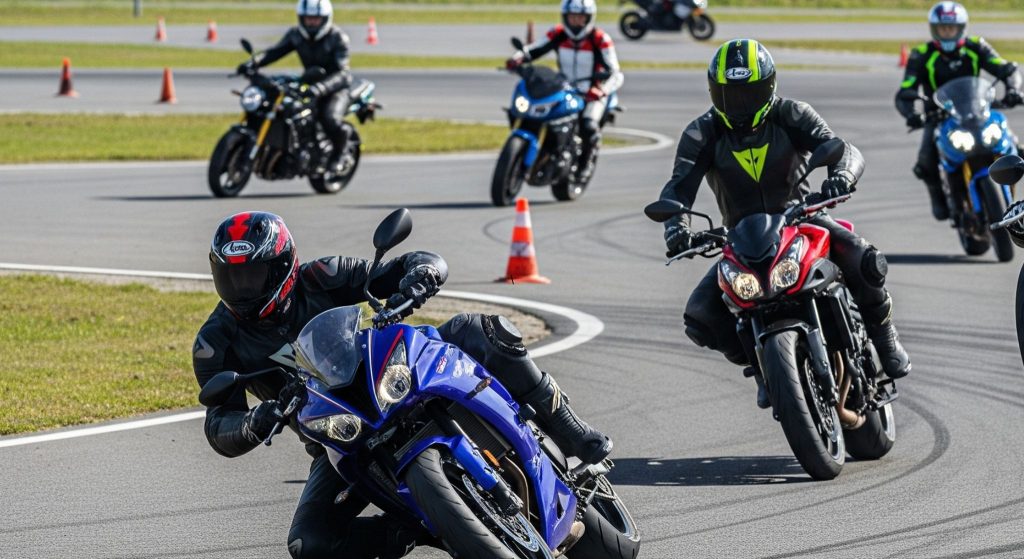
Even experienced riders need to learn their bikes. Last year, I bought a 2024 Harley Road Glide. On my first ride with my wife, I rolled on the throttle and released the clutch too quickly—lifting the front wheel off the ground!
No matter how long you’ve been riding, take the time to learn the feel of the throttle, clutch, and brakes on any new motorcycle. Practice braking with both the front and rear brakes; using both distributes stopping power and keeps you in control, especially when carrying passengers or gear. You can stop with only one brake, but it’s not ideal — balance is key to safe braking.
Practice, Mentorship, and Experience
The most important thing for new riders is to practice — a lot. If your driveway is big enough, start there. Otherwise, find an empty parking lot. Ride with a mentor if you can. Watch how they handle their bike, ask questions, and discuss what worked and what didn’t after each ride.
Even experienced riders learn from each other all the time — we talk about everything from packing for long trips to braking down mountain passes and counter-steering through tight turns. Riding is a lifelong learning experience.
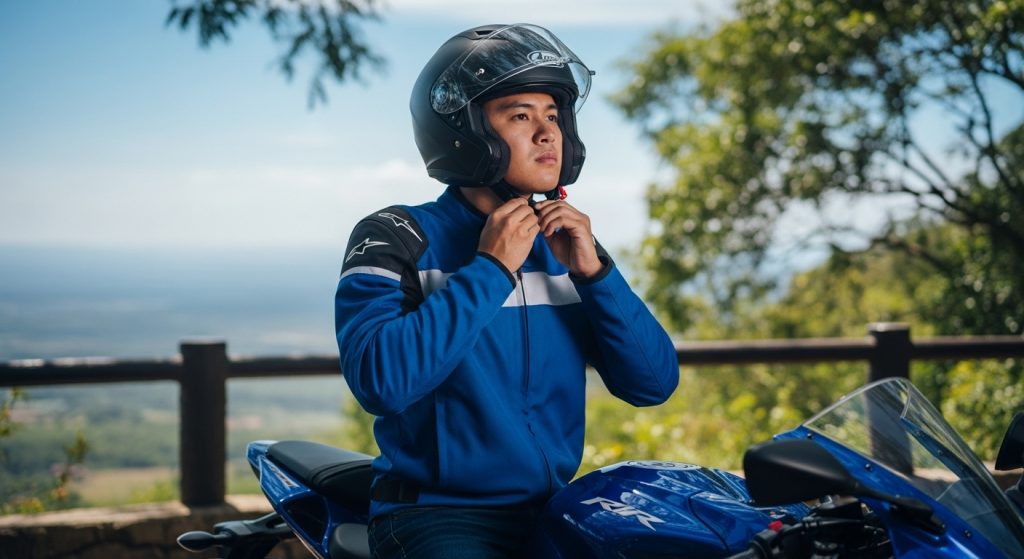
To All New Riders Preparing to Hit the Road Next Year
Learn your bike. Practice often. Find a mentor. Ask questions.
Every ride teaches you something new — about your bike, your skills, and the road ahead. Ride safe, ride smart, and enjoy the freedom that only two wheels can offer.
Ride Smarter, Ride Safer
The Montana Motorcycle Safety Foundation is here to support you with the skills, knowledge, and mindset to ride with confidence.
You can take the first step toward becoming a safer, more confident rider today. Our purpose is to educate and empower you with practical insights, tools, and resources that help you improve every time you ride. The mindset shift starts here—and every mile ahead will feel better because of it.
Ready to sharpen your skills?
