Why do we ride? Every rider has their own reasons, but most of us will agree: it’s about the open road, the wind in our face, and the sound of our engine. During the offseason, many of us tinker, tweak, or upgrade our bikes—I upgraded to the Stage 2 Rockford Fosgate sound system last year, and this winter I’m eyeing 12–14″ bars.
But today’s post isn’t about customizing my bike. It’s about something that matters just as much as the gear we run: the unspoken rules of the road. These guidelines aren’t written in a manual, but they’re part of the culture that makes riding safer, stronger, and more connected.
The Biker Wave
The classic two-finger wave or a simple nod—just enough to say, I see you. It’s a sign of respect and brotherhood, an acknowledgment of the freedom and challenges we share as riders.
And remember: if conditions are sketchy, don’t risk safety just to wave. A nod works. Even no wave works. Safety first.
Safety First—Always
There are moments in traffic where you simply can’t spare a hand for a wave. A recent example: I was at a stoplight, heavy traffic all around, and another rider approached from the opposite direction. I gave a subtle nod and stayed focused on my lane. We all know how quickly traffic can change—one brake check and things can get dicey. A courteous gesture is great, but staying upright is better.
The Staggered Formation
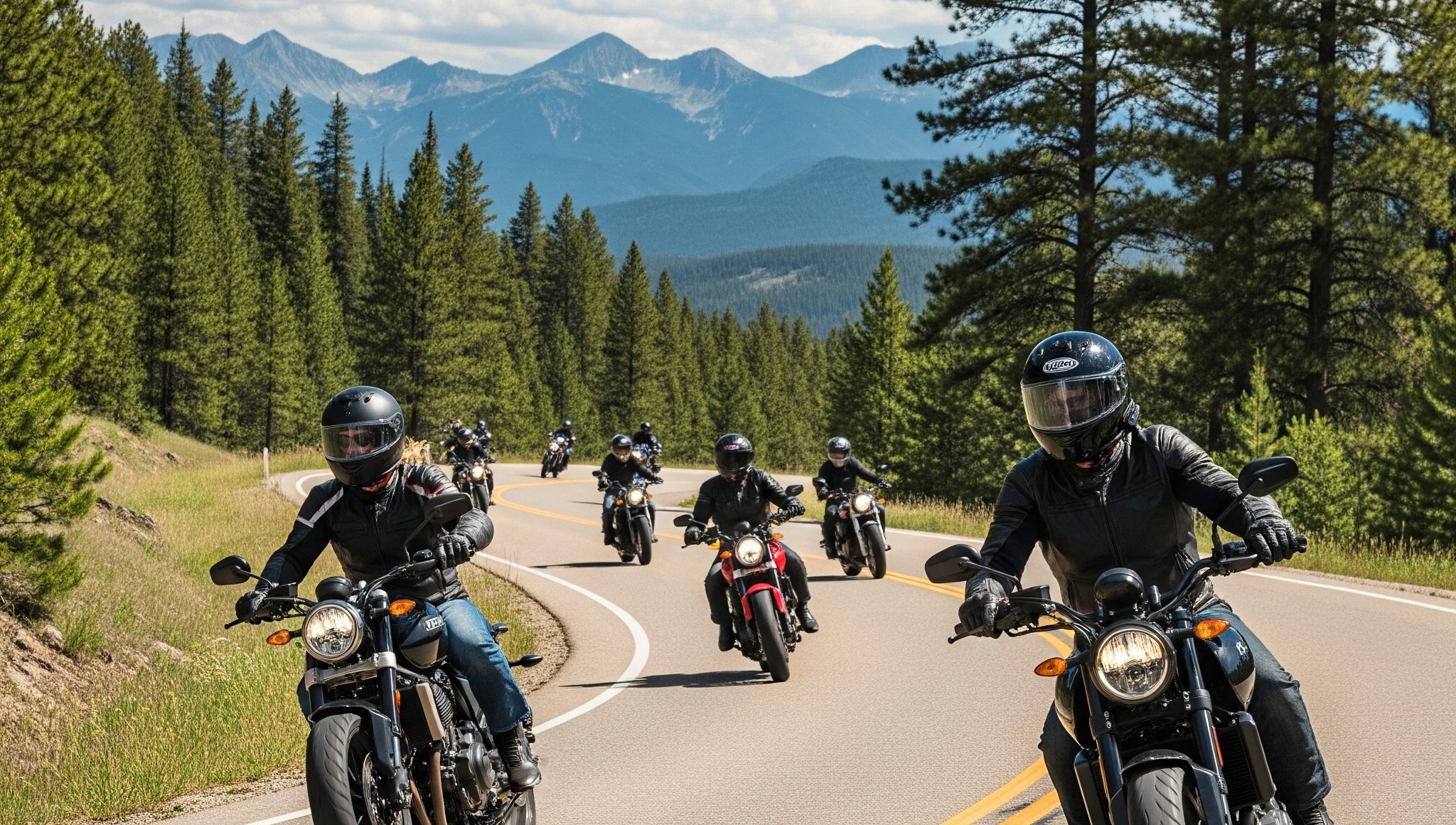
When riding with a group, staggered formation is the gold standard. The lead rider takes the left wheel track; the next rider sits a couple of bike lengths behind in the right track, and so on down the line.
This formation:
- Improves visibility
- Allows space to avoid hazards
- Keeps the group tight but safe
In my MC, we place leaders up front, newer riders in the middle or back, and always position a club leader at the rear. The sweep is there for support—nobody gets left on the shoulder alone.
Riding in Groups? Go Deeper on Safety and Etiquette
Many of the unspoken rules we follow as riders become even more important when we ride together. Group rides require planning, discipline, communication, and mutual respect to stay safe and enjoyable for everyone involved.
If you ride with others or plan to, this detailed guide covers formations, pacing, roles such as lead and sweep, pre-ride planning, and essential group etiquette every rider should understand.
Group Motorcycle Riding: Safety Rules and Road Etiquette That Every Rider Should Know
It’s a practical follow-up that builds on the principles covered here and helps ensure every group ride ends safely.
Lights, Signals, and Communication
Communication keeps the group alive and smooth. Hand signals, turn signals, brake lights—everything needs to travel from the front to the last rider.
Before every ride, our MC holds a safety brief. We walk through hand signals, the route, fuel stops, and what to do if someone gets separated. Clear communication eliminates confusion and keeps the group functioning like one machine.
Look Out for Fellow Riders
If you see a rider pulled over, stop if it’s safe to do so. That simple act could save a life.
A few years back on a ride to Salt Lake, I had a blowout and had to get off the highway in a hurry. A rider behind me risked his own safety to slow down a truck so I could get to the shoulder. Others stopped immediately to help. That moment reminded me: riders take care of riders.
The No-Revving Zone Rule
Sure, we all like the sound of our engines—but time and place matter.
Neighborhoods, quiet streets, or stoplights aren’t the place to show off. Riders who rev, race lights, or speed through neighborhoods give all of us a bad name. We’re ambassadors whether we like it or not—and respect goes a long way.
Pacing: Respect the Ride Speed
In a group ride, the lead sets the pace. When riders speed up and slow down unpredictably, you get the dreaded seesaw effect—back and forth movement that creates gaps, invites cars into the group, and increases danger.
Smooth, steady pacing keeps the formation tight, safe, and enjoyable.
Pass with Caution
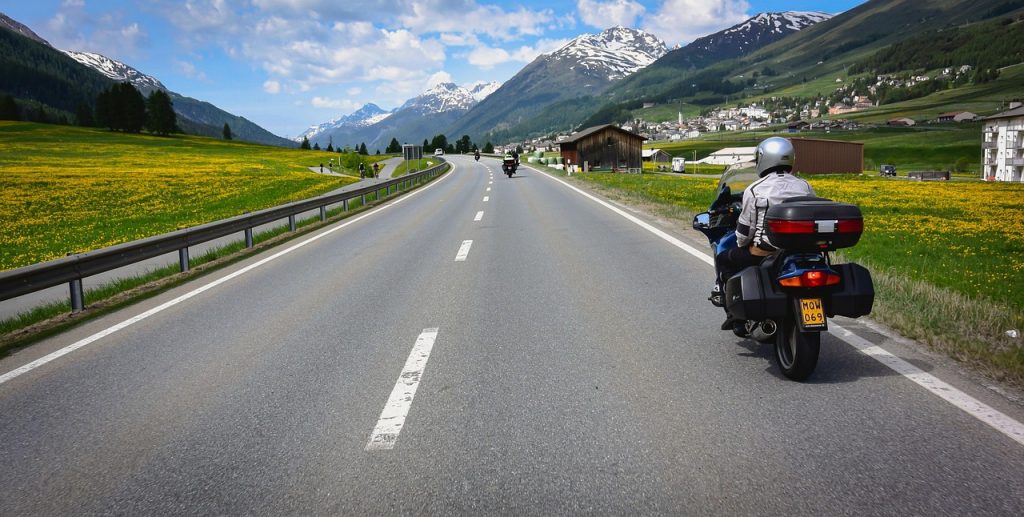
If you need to pass another rider, be deliberate, predictable, and respectful. Always signal, ensure you have space, and avoid sudden acceleration that could startle them. Road conditions can change instantly—be alert and give others the space you’d want.
Parking Etiquette
Parking seems simple, but there’s etiquette here too:
- Park at an angle.
- Maximize space.
- Leave room for other riders.
- Be mindful when entering tight lots or gravel areas.
A clean parking setup keeps everyone safe and makes it easier for the group to leave together.
The “Thank You” Wave
When a motorist gives you space, lets you merge, or moves over to help you pass—throw the thank-you wave. A small gesture builds goodwill, and we could use more of that between riders and non-riders.
Respect Different Riding Styles
Not everyone rides the same way. Some like to cruise. Some like to push the pace. Some are out for the long haul; others for the pub-to-pub hop. Respecting each rider’s style keeps the community united instead of divided.
In the End, It’s About Respect
Rider etiquette goes beyond traffic laws—it’s about respecting fellow riders, other motorists, and the communities we ride through. When one rider behaves poorly, it reflects on all of us. But when we ride with courtesy and awareness, we strengthen the reputation of the entire motorcycle community.
Ride safe, ride smart, and be the example you’d want others to follow.
If this article resonated with you, share it with a fellow rider and carry these habits into every ride. For more safety tips, real-world riding insights, and ways to learn and improve your riding skills, visit our Montana Motorcycle Safety Foundation blog page.
