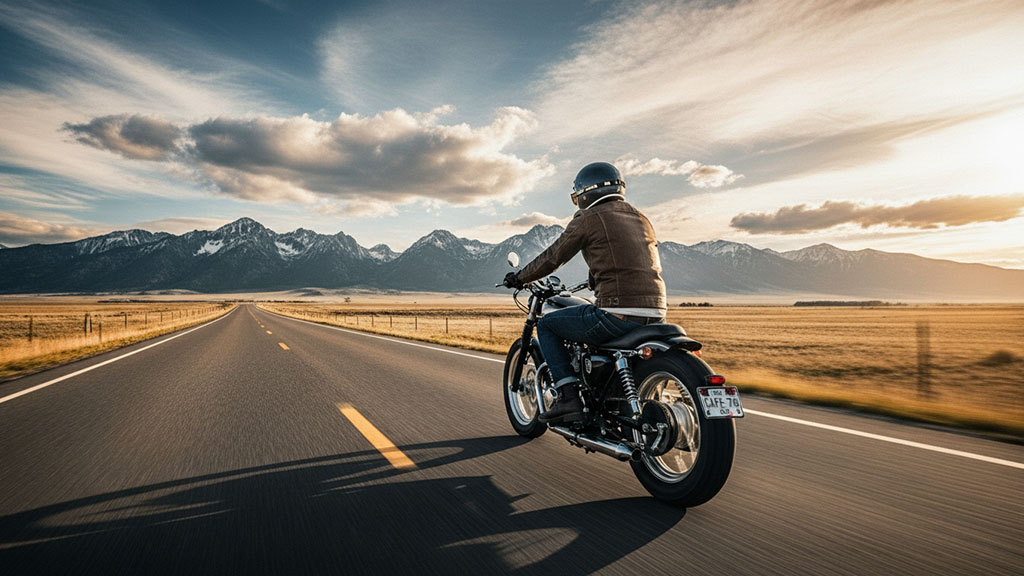
Imagine you’re out for a ride. The weather is perfect, and you’re cruising from Butte to Wisdom on MT Highway 43 along the Big Hole River. The water flows alongside you, the road opens up, and life is good. It’s one of the most scenic and enjoyable rides Montana has to offer.
But danger can be waiting around the next curve.
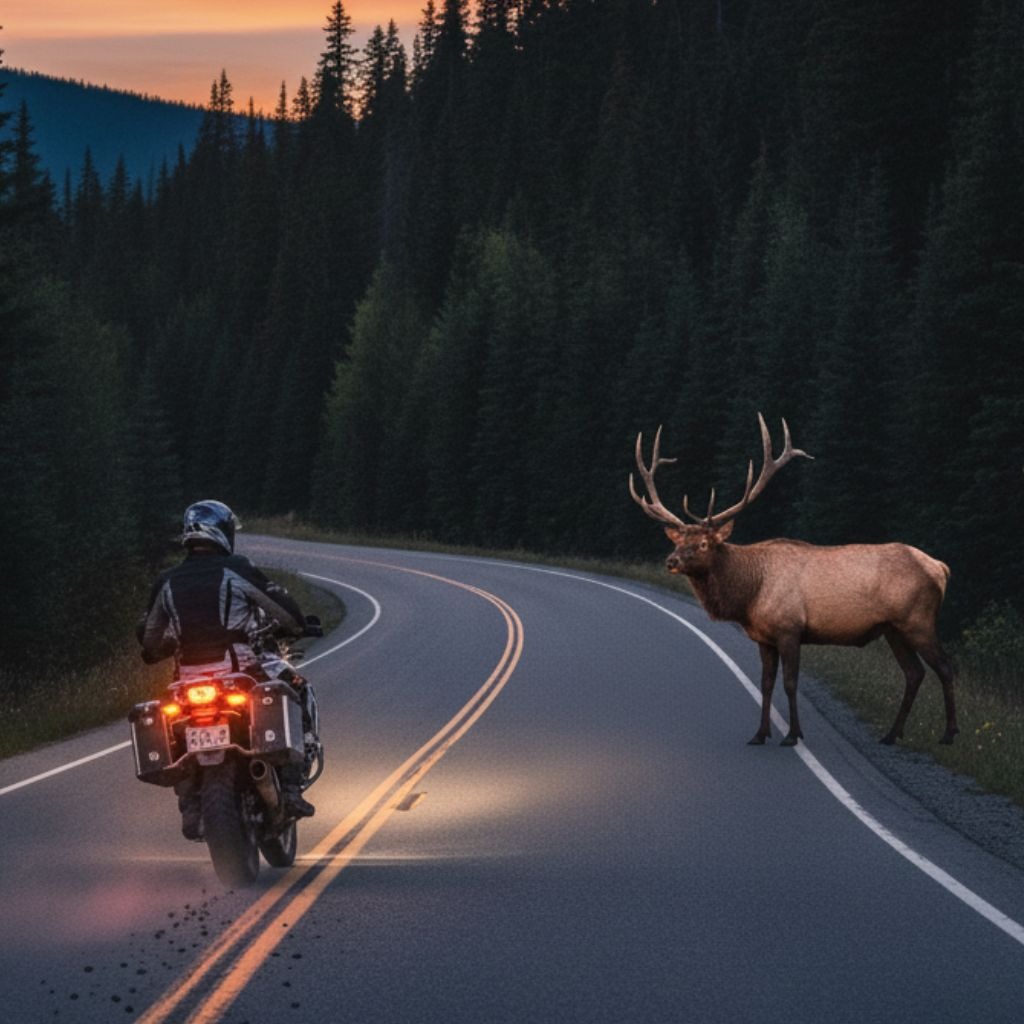
It could be a distracted driver drifting over the centerline, wildlife standing in the road, loose gravel in a corner, or something you never expected. That’s why, as riders, we must stay sharp and ride defensively, ready for anything. Defensive riding is our mantra.
The Defensive Riding Mindset
Defensive riding starts with a mindset. It’s an unwavering commitment to staying alert and engaged every time we ride. We must constantly scan the road ahead, check our mirrors, and stay aware of what’s happening to our left and right.
We also have to assume that other motorists may not see us. Anticipating their mistakes—and planning an escape path—can make the difference between a close call and a bad day.
The 2-Second Rule: Your First Line of Defense
One of the most important principles of defensive riding is maintaining a safe following distance. The 2-second rule means keeping at least two seconds between you and the vehicle in front of you.
That space gives you time to react to sudden stops, road debris, animals, or unexpected hazards. It also gives you room to maneuver in an emergency. This habit should be second nature before the bike ever rolls out of the driveway.
Situational Awareness: Developing Your “Sixth Sense”
Defensive riding goes far beyond following distance. It’s about situational awareness, developing that rider’s “sixth sense.”
Constantly scan up the road. Check your mirrors. Watch traffic patterns. Pay attention to changing road and weather conditions. Situational awareness allows you to anticipate trouble before it becomes a problem and keeps you ready for the constantly changing environment around you.
Cornering with Caution and Control
Every curve deserves respect. Approach corners with caution, adjusting your speed and lane position to maintain control of your bike. Stay in your lane and be especially alert for hazards like gravel, sand, or debris—particularly at the entry to a curve.
Remember the golden rule: slow in, fast out. This is also where countersteering plays a critical role. Mastering countersteering gives you better control and confidence, especially when conditions aren’t ideal.
Gear Up Every Ride
Proper safety gear is a critical part of defensive riding. Always wear your helmet, gloves, boots, riding pants, and a quality riding jacket. Gear isn’t about looking tough, but about protecting yourself when things don’t go as planned.
Wear your gear every time you ride.
Ride Smart So You Can Ride Again
Defensive riding is about more than rules: it’s about responsibility. Riding smart and staying alert allows us to enjoy the roads we love and make it home safely.
Spring is upon us, and Montana’s roads are calling. Get your mindset right, ride defensively, and enjoy every mile.
Keep two wheels down—and have fun.