When I was in high school, I tried to learn how to ride a motorcycle with the help of a friend. We practiced in the parking lot behind the place where we worked. Across the lot was a car wash and a brick wall, but the area seemed big enough to ride around slowly and get comfortable on the bike.
The problem was that my friend never really explained some of the most important basics: how to feather the clutch, manage the throttle, or properly use the front and rear brakes. He had been riding for a while, so those skills were second nature to him. He didn’t think about them anymore.
For a beginner like me, though, those details mattered.
I was riding slowly behind the car wash, probably going about five miles per hour. As the bike started to stall, I panicked and rolled on the throttle instead of controlling the clutch and brakes.
The motorcycle shot forward.
Right into the brick wall.
Even at that low speed, the wall didn’t move, and it won. I broke my elbow in the crash.
I wasn’t wearing a helmet, though, as far as I can remember, I didn’t hit my head. After surgery and months of healing, I recovered, though I still carry a large scar on my elbow as a reminder.
Looking back, it was a completely avoidable accident. I was young, inexperienced, and didn’t fully understand how motorcycles work.
But that experience taught me lessons that still shape how I think about riding today.
Learning the Right Way
Today I would never try to learn in such a tight parking lot, and I certainly wouldn’t ride without a helmet.
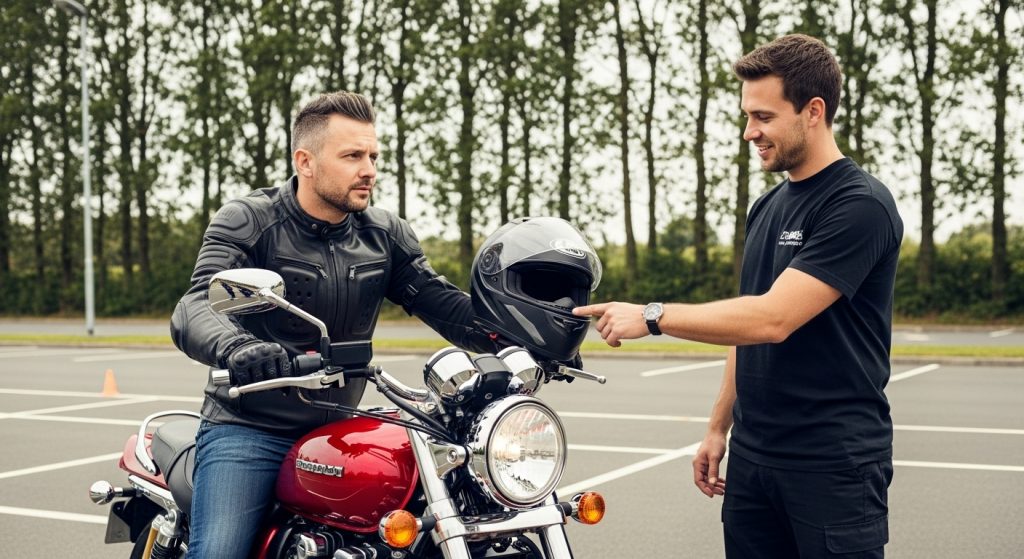
More importantly, I wouldn’t rely only on a friend to teach me how to ride.
Friends can help, but they often skip over the basics because those skills have become automatic for them. That’s why I always encourage new riders to take a proper rider training course and, if possible, find an experienced mentor who understands how to teach.
Motorcycling offers a sense of freedom that few other activities can match. The open road, the wind, and the connection to the machine make riding uniquely thrilling.
But with that freedom comes risk.
One of the most common questions new riders ask is whether wearing full motorcycle gear actually protects you in an accident.
The short answer is yes, but it doesn’t make you invincible.
What Counts as “Full Gear”?
When riders talk about full gear, they usually mean protective equipment designed specifically for motorcycling. This typically includes:
- A helmet
- An armored jacket
- Protective riding pants
- Motorcycle gloves
- Riding boots
Each piece is designed to protect a specific part of the body in a crash.
The Helmet: Your Most Important Protection
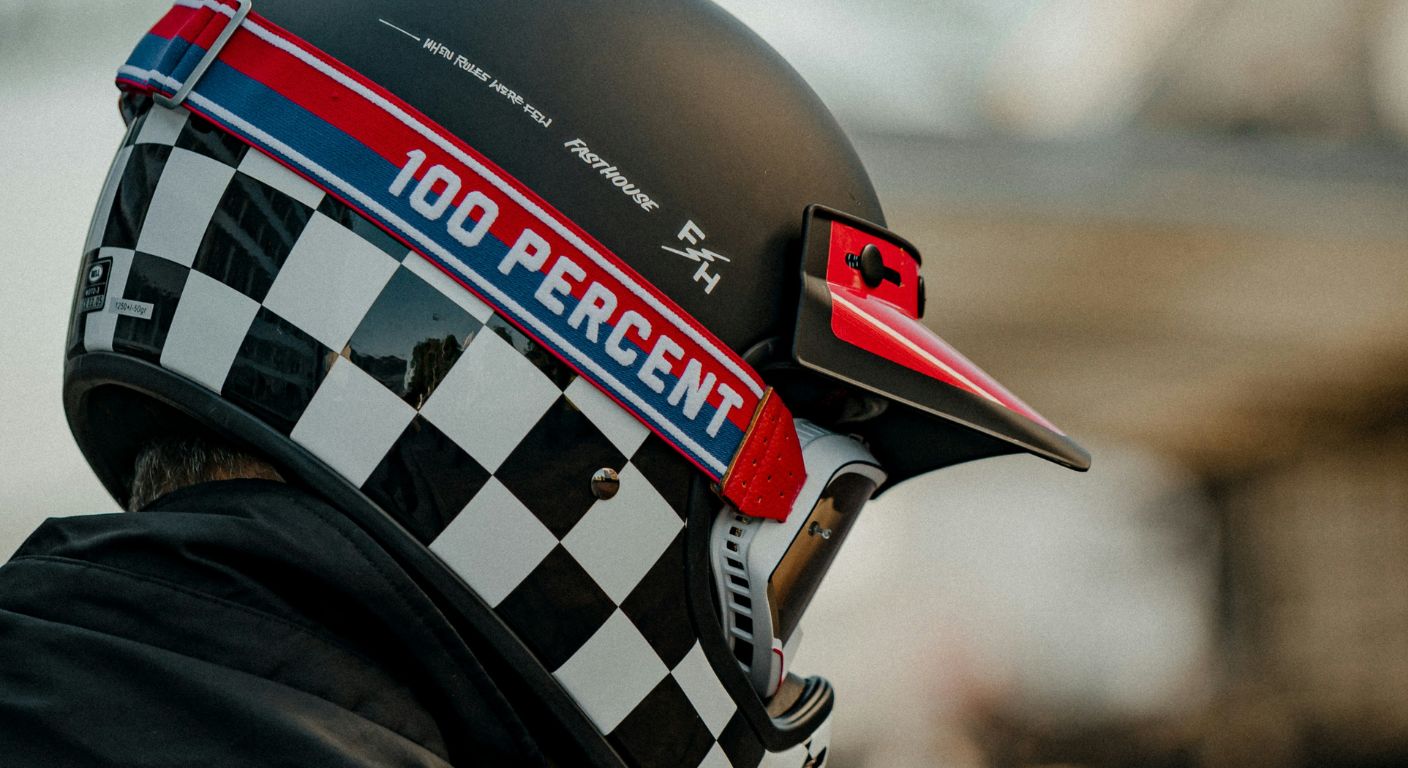
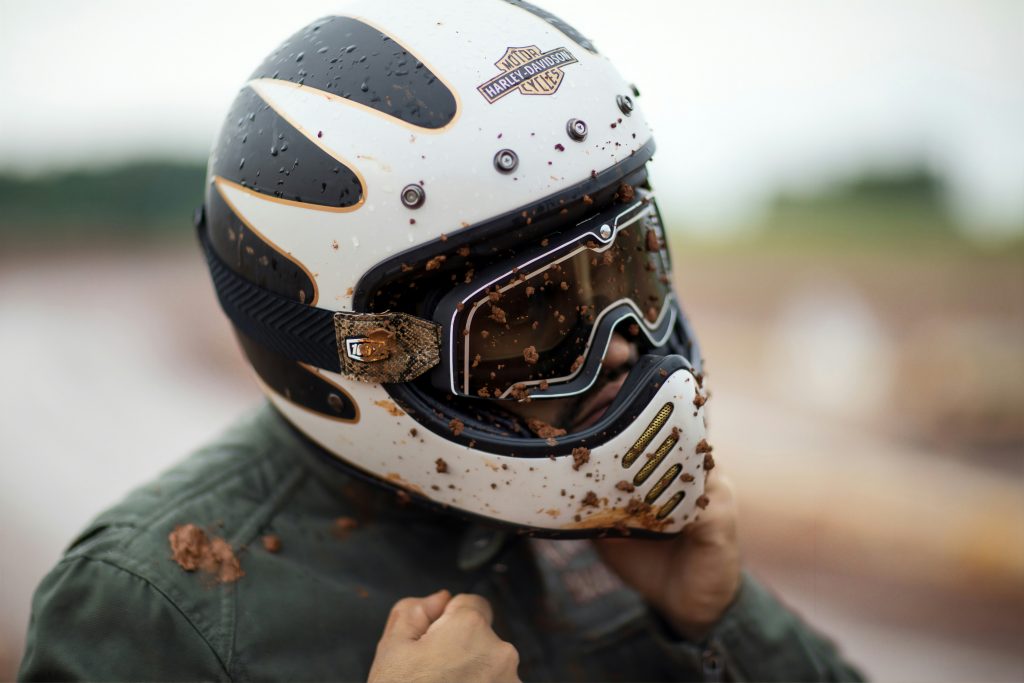
A helmet is the single most important piece of motorcycle safety equipment.
In many accidents, the head is one of the first parts of the body to strike the ground or another object. A quality helmet absorbs and distributes impact energy, helping protect the brain from serious injury.
Full-face helmets provide the best protection because they cover the entire head, including the jaw and face, areas that are frequently injured during crashes.
Read Next: Does Montana Have a Helmet Law? What Every Rider Should Consider
Armored Jackets and Pants
Motorcycle jackets and riding pants are built with abrasion-resistant materials such as leather or reinforced textiles. Many also include armor in key impact areas like:
- shoulders
- elbows
- back
- hips
- knees
If a rider slides across pavement during a crash, these materials help prevent severe road rash and reduce the force transferred to the body.
Gloves and Boots
During a fall, people instinctively try to catch themselves with their hands. Motorcycle gloves protect the skin, joints, and fingers while also improving grip on the handlebars.
Motorcycle boots provide ankle support and protection for the feet, toes, and shins. They can reduce the chance of serious foot and ankle injuries if the bike falls or slides.
What Gear Cannot Do
Even when wearing full gear, riders can still be injured in a crash.
High-speed impacts, collisions with vehicles, or striking fixed objects can cause serious trauma that protective equipment cannot completely prevent.
Gear reduces damage from impact and abrasion, but it cannot eliminate all risk.
Why Full Gear Still Matters
Although it doesn’t make riders invincible, wearing proper motorcycle gear dramatically improves the chances of avoiding serious injuries.
Many riders who crash while fully geared walk away with bruises or minor injuries instead of life-threatening trauma.
That’s why experienced riders often follow a simple rule:
Dress for the crash, not for the ride.
The Takeaway for Every Rider
Looking back, my accident was a hard lesson, but it was also a valuable one.
After all, motorcycles demand respect. Learning the right skills, riding responsibly, and wearing proper gear all work together to reduce risk.
No equipment can guarantee complete safety, but wearing full protective gear is one of the most effective ways riders can protect themselves every time they get on a motorcycle.
And sometimes, the lessons we remember the most are the ones we learned the hard way.
Ride safe!
