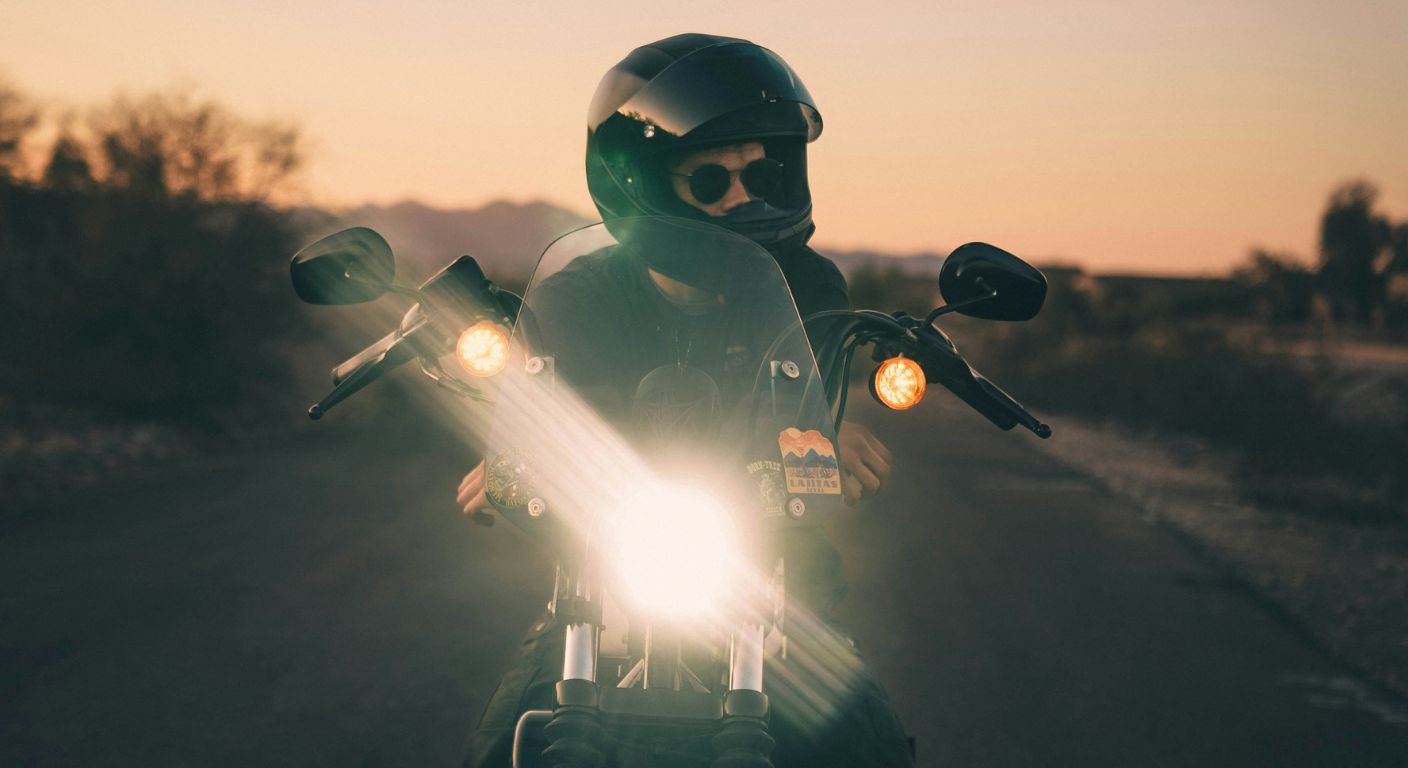
Every year, thousands of riders hit the open road with nothing but the wind at their backs and a helmet on their heads — but not all of them come home safely. Motorcycle safety isn’t just about following the rules; it’s about building habits, choosing the right gear, and understanding the unique risks that come with two-wheeled travel. Whether you’re a seasoned rider clocking thousands of miles annually or a new enthusiast just getting started, this guide covers everything you need to know to stay protected, confident, and in control on every ride.
Why Motorcycle Safety Matters More Than You Think
Motorcycles offer an unmatched sense of freedom and efficiency on the road. But statistically, motorcyclists face significantly higher risks than passenger vehicle occupants. According to the National Highway Traffic Safety Administration (NHTSA), motorcyclists are approximately 24 times more likely to die in a crash per mile traveled than people in passenger cars.
That’s not meant to scare you off your bike — it’s meant to underscore why proactive motorcycle safety practices are absolutely critical. The good news? The majority of motorcycle accidents are preventable. With the right training, protective gear, and situational awareness, you can dramatically reduce your risk and enjoy riding for decades to come.
In Montana and across the country, communities lose riders every season to accidents that could have been avoided. At MTMC Foundation, we believe in empowering riders with the knowledge and resources they need — because a safer riding community is a stronger community.
Essential Motorcycle Safety Gear: Your First Line of Defense
No matter how skilled a rider you are, protective gear is non-negotiable. In the event of a crash, the right equipment can mean the difference between walking away and a life-altering injury. Here’s a breakdown of what every rider should wear:
Helmets
A DOT-approved or ECE-rated full-face helmet is the single most important piece of safety equipment you can own. Helmets reduce the risk of head injury by nearly 69% and the risk of death by 42%, according to NHTSA data. When shopping for a helmet, look for:
- DOT (Department of Transportation) certification
- ECE 22.06 or SNELL ratings for higher protection standards
- A secure, snug fit with no pressure points
- Full-face design for maximum jaw and chin protection
- Anti-fog visor for visibility in varying conditions
Protective Clothing
Jeans and a t-shirt might feel comfortable, but they offer almost zero protection in a slide. Invest in riding-specific gear designed to absorb impact and resist abrasion:
- Jacket: Leather or textile jacket with CE-rated armor at shoulders and elbows
- Pants: Riding pants with knee and hip padding
- Gloves: Full-fingered gloves with palm sliders and knuckle protection
- Boots: Over-the-ankle boots with ankle support and oil-resistant soles
- High-visibility vest or bright colors: Increases your visibility to other drivers
Gear Comparison Table
| Gear Item | Protection Level | Estimated Cost Range | Priority |
|---|---|---|---|
| Full-Face Helmet | High | $150 – $800+ | Essential |
| Riding Jacket | High | $100 – $600+ | Essential |
| Riding Gloves | Medium–High | $30 – $200 | Essential |
| Riding Pants | Medium–High | $80 – $400 | Highly Recommended |
| Motorcycle Boots | Medium | $80 – $350 | Highly Recommended |
| Hi-Vis Vest | Low (visibility aid) | $15 – $60 | Recommended |
Pre-Ride Inspection: The T-CLOCS Checklist
One of the most effective motorcycle safety habits you can develop is performing a thorough pre-ride inspection before every single outing. The Motorcycle Safety Foundation (MSF) recommends the T-CLOCS checklist — a quick but comprehensive inspection that covers all critical components of your bike.
- T – Tires and Wheels: Check tire pressure, tread depth, and look for any cracks, bulges, or foreign objects. Inspect wheel spokes or rims for damage.
- C – Controls: Test levers, pedals, throttle, cables, and hoses for smooth operation and proper tension.
- L – Lights and Electrics: Verify that headlights, taillights, turn signals, and brake lights are all functioning correctly.
- O – Oil and Fluids: Check engine oil, brake fluid, coolant, and fuel levels. Look for any leaks under the bike.
- C – Chassis: Inspect the frame, suspension, chain or belt drive, and fasteners for visible wear or looseness.
- S – Stands: Ensure the center and/or side stand operates properly and doesn’t interfere with cornering.
This inspection takes fewer than five minutes but can identify issues that might cause a crash or leave you stranded miles from home. Make it a ritual — not an afterthought.
Road Awareness and Defensive Riding Strategies
Technical skill is only part of the motorcycle safety equation. Situational awareness — the ability to read the road, anticipate hazards, and position yourself safely in traffic — is equally important. Here are the defensive riding strategies every motorcyclist should master:
The SEE Strategy
The MSF teaches the SEE (Search, Evaluate, Execute) strategy as a framework for continuous hazard awareness:
- Search: Actively scan your environment 12 seconds ahead and check mirrors every 5–7 seconds.
- Evaluate: Identify potential hazards — intersections, distracted drivers, road debris, animals.
- Execute: Adjust speed, lane position, or direction to reduce your risk.
Lane Positioning
Where you ride within your lane matters enormously. The left third of your lane is typically the strongest position — it keeps you visible to oncoming traffic, allows you to see around vehicles ahead, and gives you a buffer from road edge hazards. Avoid riding in the center of the lane where oil and debris accumulate.
Intersection Awareness
Intersections are the most dangerous locations for motorcyclists. Studies show that nearly 40% of motorcycle crashes involve a vehicle turning left in front of the rider. Strategies to stay safe at intersections include:
- Covering your brakes as you approach
- Making eye contact with drivers before proceeding
- Never assuming a green light means it’s safe to proceed
- Reducing speed when visibility is limited
Managing Road Hazards in Montana and the West
Riding in Montana and across the western United States presents unique challenges — loose gravel on mountain switchbacks, wildlife crossings, sudden weather changes, and long stretches of remote highway with limited services. Always carry emergency supplies, let someone know your route, and check weather forecasts before heading out on long rides.
Motorcycle Safety Courses and Licensing
No matter your experience level, formal motorcycle training is one of the smartest investments you can make in your riding career. The Motorcycle Safety Foundation (MSF) offers courses for all skill levels:
- Basic RiderCourse (BRC): Ideal for new riders. Covers fundamental controls, braking, turning, and basic hazard avoidance. Completing this course typically waives the riding skills test at the DMV in most states.
- Advanced RiderCourse (ARC): Designed for experienced riders who want to sharpen their skills in cornering, braking, and emergency maneuvers.
- 3-Wheeled Basic RiderCourse: Tailored for riders interested in trikes or sidecar rigs.
In Montana, completing an MSF course can also qualify you for insurance discounts — making it a financially smart decision in addition to a safety-focused one. Many insurance providers offer 5–15% premium reductions for riders who complete approved courses.
If you’re registering a newly purchased motorcycle, remember that proper vehicle registration is part of responsible ownership. Ensuring your bike is legally titled and registered protects you in the event of an accident or roadside stop.
Riding Under the Influence and Fatigue: The Hidden Dangers
Impaired and fatigued riding are two of the most underreported causes of motorcycle fatalities. Alcohol was involved in 28% of all motorcyclist fatalities in a recent NHTSA report — a sobering figure that underscores the importance of never riding after drinking, regardless of how little you’ve consumed.
Fatigue poses an equally serious risk. Long highway rides in Montana’s wide-open spaces can lull riders into a hypnotic state. To counter fatigue:
- Take breaks every 1–2 hours on long trips
- Stay hydrated and avoid heavy meals before riding
- Avoid riding during peak sleepiness hours (early afternoon and late night)
- Never push through drowsiness — pull over and rest
Frequently Asked Questions About Motorcycle Safety
What is the most important piece of motorcycle safety gear?
A properly fitted, DOT or ECE-certified helmet is the most critical piece of safety equipment for any motorcyclist. Helmets significantly reduce the risk of fatal head injuries and are the single most effective way to protect yourself in a crash.
How often should I take a motorcycle safety course?
New riders should complete a Basic RiderCourse before hitting public roads. Experienced riders are encouraged to take an Advanced RiderCourse every few years to refresh skills and develop new techniques. Many riders also benefit from taking a course after a long riding hiatus or after purchasing a new type of bike.
Is lane splitting legal and safe?
Lane splitting (riding between lanes of stopped or slow-moving traffic) is currently only explicitly legal in California as of this writing, though laws vary and continue to evolve in other states. Even where legal, lane splitting requires advanced skill and judgment. Riders should always consult current state laws and exercise extreme caution if they choose to lane split.
What should I do if I encounter gravel or debris on the road?
If you encounter unexpected gravel or debris, avoid sudden braking or sharp steering inputs. Gradually reduce speed, keep your body relaxed, look through the hazard to where you want to go, and maintain a steady throttle. Panic reactions cause more crashes than the hazard itself in many cases.
How does weather affect motorcycle safety?
Weather significantly impacts traction, visibility, and rider comfort. Rain reduces tire grip and increases braking distances. Cold temperatures can cause muscles to stiffen and tires to take longer to warm up. Wind can create sudden instability. Always check the forecast before riding and carry appropriate gear for changing conditions — especially in variable-weather states like Montana.
Do I need special insurance for a motorcycle in Montana?
Yes. Montana law requires motorcycle operators to carry minimum liability insurance. Beyond the legal requirement, comprehensive and collision coverage are strongly recommended to protect your investment and cover medical costs in the event of an accident. Completing a safety course may reduce your premium.
Support a Community That Cares About Riders
At MTMC Foundation, we’re more than just a resource for vehicle registration and titling services — we’re a community-focused organization committed to empowering Montanans and riders across the country with the knowledge, tools, and support they need to thrive. Motorcycle safety is a cause close to our hearts because we believe every rider deserves to come home safely.
Whether you need help navigating Montana LLC vehicle registration, transferring a title, or registering your motorcycle, we’re here to help simplify the process so you can focus on what matters most — the ride.
If our resources and community programs have made a difference in your life, consider supporting our mission. Your contribution helps fund community development initiatives, educational resources, and outreach programs across Montana and beyond.
