You’ve been thinking about it for a while. Maybe a friend mentioned it, or your insurance company offered a discount, or you just want to feel more confident the next time you’re out on the road. Whatever brought you here, you’re asking the right question: is a motorcycle safety course actually worth it?
The short answer is yes, and not just because it can help you get your license. A good course changes the way you think about riding. You start seeing intersections differently. You brake better. You notice hazards before they become problems. That shift in awareness is something no YouTube video can fully give you, and it sticks with you every time you throw a leg over the bike.
This guide walks you through what a motorcycle safety course actually looks like, how to find a DMV-approved option near you, and what you’ll walk away with when it’s done. No fluff, just the real picture.
Why Taking a Motorcycle Safety Course Is a Bigger Deal Than Most Riders Think
Riding a motorcycle is one of the most freeing things you can do on two wheels, but it comes with real stakes. According to federal traffic safety data, motorcyclists are significantly more vulnerable in crashes than passenger car occupants, and a large portion of single-vehicle accidents involve rider error rather than road conditions or other drivers. That’s the part training actually addresses.
A structured motorcycle safety course puts you through controlled scenarios where you practice emergency stops, slow-speed handling, swerving, and cornering. Those aren’t just drills. They’re the exact situations where untrained riders get into trouble. When muscle memory kicks in on a real road, you want it pulling you toward the right response, not the wrong one.
There’s also a practical side. Most states let you waive the DMV riding test if you complete a state-approved course. In many cases, it satisfies the requirements for a new motorcycle endorsement entirely. And if you’re in Montana, the Montana Motorcycle Safety Foundation coordinates training programs statewide, making it easier to find a course close to home. For a broader look at what smart riding habits actually look like day-to-day, the article on motorcycle safety tips for every rider is a solid companion read.
Want to support rider safety programs in Montana? See how the MTMC Foundation helps.How a Motorcycle Safety Foundation Basic Rider Course Actually Works
The most widely recognized program in the country is the Motorcycle Safety Foundation Basic Rider Course, often called the MSF BRC. It’s offered through licensed training sites in almost every state, and it’s the gold standard that most DMV offices and insurance providers recognize.
Ready to register your vehicle?
Join thousands of vehicle owners who use MTMC Foundation to handle their registration quickly and legally.
Support Our Mission →The course is typically split across two parts. The first is classroom or online instruction, where you cover the fundamentals: how motorcycles handle, how to read traffic, how protective gear works, and how your body and brain respond under stress. The Motorcycle Safety Foundation eCourse is now available as an online version of this portion, which lets you complete it on your own schedule before showing up for the riding portion.
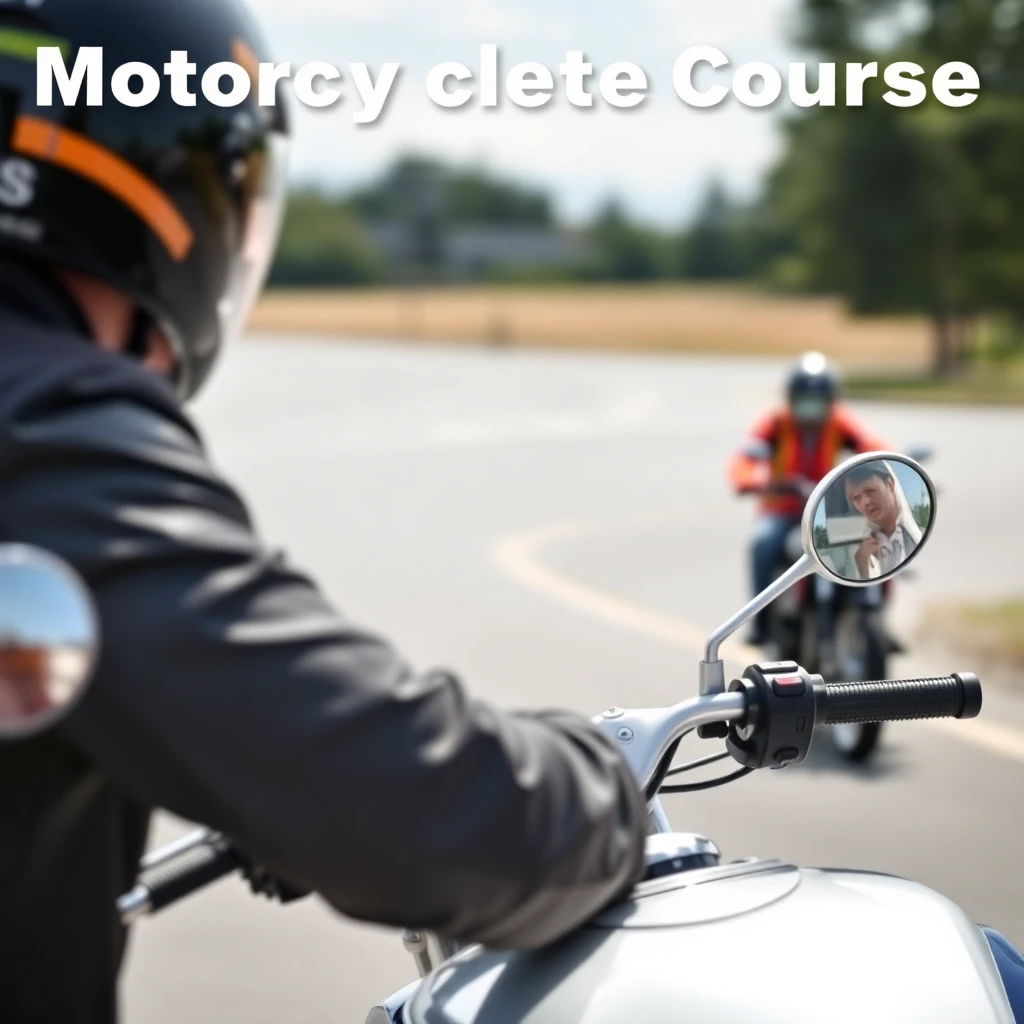
The second part is where it gets real. You spend time in a controlled range environment, usually a large empty parking lot or a dedicated training facility, working through exercises on a small training bike. Instructors guide you through clutch control, braking technique, tight turns, and emergency maneuvers. You’re never going fast, but you’re building the precise inputs that matter most.
If you’re not sure where to look, searching for a motorcycle safety course near me through the MSF’s website will pull up DPS-approved and DMV-approved motorcycle safety course locations by zip code. Some states, like Pennsylvania, even offer financial assistance. The pa free motorcycle safety course program has helped thousands of new riders get trained without the cost being a barrier. Ohio riders can find ohio motorcycle safety course locations through the Ohio Motorcycle Safety Program, which maintains a directory of certified sites.
The whole process, classroom plus range time, typically takes a weekend. That’s two days to walk away with skills, a certificate, and in most states, a waived road test. For anyone asking whether a motorcycle safety course online can replace the range portion: the online component works for the knowledge section, but the riding skills have to happen in person. There’s no substitute for seat time with an instructor watching.
For riders who want to keep building after the basic course, the article on progressive motorcycle training: build confidence and control covers how to keep improving your skills once the fundamentals are solid.
What Separates Good Riders From Great Ones: The Deeper Lessons
Here’s what most people don’t expect: the biggest thing you get from a motorcycle safety course isn’t a skill, it’s a mindset. Trained riders think in terms of space and time. They’re always asking where the escape route is, what’s happening two intersections ahead, and whether their following distance gives them enough room to react.
That mental shift is hard to teach in a blog post. It comes from an instructor watching you and telling you, in real time, that you’re looking down instead of through the turn. That feedback loop changes your habits in a way that reading alone doesn’t.
The MSF course also covers gear honestly. You’ll hear about why a proper helmet, gloves, jacket, and boots matter, not in a scare-tactic way, but in a mechanical, this-is-what-happens-in-a-slide way. That tends to land differently than reading it online. If you want to go deeper on gear decisions, the MTMC Foundation’s guide on riding smart: the harsh reality of ignoring gear and pre-ride inspections is worth your time.
One thing worth knowing: a maryland motorcycle safety program course near me search, or any state-specific search, will often turn up both beginner and experienced rider courses. If you’ve been riding for years but never took formal training, the Experienced RiderCourse is designed specifically for you. It’s not remedial. It’s genuinely useful for riders who developed habits on their own that may not be serving them well.
“I’d been riding for six years before I finally took the course. I thought I knew everything I needed to. Two hours into the range day, I realized I’d been braking wrong the entire time.”, A sentiment shared by countless returning riders who take the course later in their riding life.
The startling importance of formal training becomes clear when you look at accident data. The MTMC Foundation’s article on the startling importance of motorcycle safety courses in Montana breaks down what the numbers show for riders in the state specifically.
Bringing It All Together: Your First Ride After the Course
There’s a particular feeling after you finish the range portion of a basic rider course. You’re tired, your hands might be a little shaky from concentration, and you’re already thinking about what bike you want to ride next. That’s exactly where you want to be.
The certificate you earn isn’t just a piece of paper. In most states, it’s your ticket to skipping the DMV road test and getting your endorsement faster. It may also Eligible you for an insurance discount, so it’s worth calling your provider and asking directly. For Montana riders, the full picture of endorsements, licensing, and what comes next is covered in your complete guide to the Montana Motorcycle Safety Foundation: courses, endorsements, and rider safety across the state.
The MTMC Foundation exists to support programs that help riders stay safer out there. That means funding education, raising awareness, and building community around responsible riding across Montana and beyond. Every rider who completes a course makes the roads a little better for everyone, and that’s a mission worth getting behind.
Frequently Asked Questions About Motorcycle Safety Courses
How long does a motorcycle safety course take?
Most basic rider courses run about 15 to 20 hours total, split between a knowledge portion and range time. The typical format is one evening of classroom work and two full days on the range, though some programs offer accelerated or weekend-only schedules. The online eCourse option lets you complete the knowledge section at your own pace before the riding days.
Do I need my own motorcycle to take the course?
No. Most MSF Basic Rider Course locations provide training motorcycles, usually small-displacement bikes that are easy to manage while you’re learning. You typically need to bring your own helmet, gloves, and appropriate clothing, but the bike itself is supplied.
Will a motorcycle safety course waive my DMV road test?
In most states, yes. Completing a DMV-approved motorcycle safety course typically waives the skills test at the DMV, meaning you can get your endorsement with just the written test and your certificate. Requirements vary by state, so confirm with your local motor vehicle office before assuming this applies to you.
Are there free motorcycle safety courses available?
Some states offer subsidized or free programs. Pennsylvania’s free motorcycle safety course is one well-known example. Other states offer partial reimbursements or voucher programs. Check your state’s DMV or department of public safety website to see what’s currently available in your area.
Can experienced riders benefit from taking the course?
Yes, and many say it’s more valuable the longer they’ve been riding, because it reveals habits that formed without feedback. The MSF Experienced RiderCourse is designed for riders who already have an endorsement and want to sharpen their skills. Many riders describe it as genuinely eye-opening regardless of how many years they’ve been on a bike.
Is a motorcycle safety course online a valid option?
The online portion covers the knowledge and theory component, and the MSF eCourse is a widely accepted way to complete that part. However, the riding skills portion must be completed in person on a range. No fully online motorcycle safety course can substitute for hands-on instruction with a certified coach watching your technique in real time.
Support the MTMC Foundation and help bring safer riding to more Montana communities.Related Reading