Getting on your first motorcycle is exciting. You’re about to hit the road on two wheels, and that sense of freedom is calling you. But while riding is thrilling, it’s important to understand the risks, especially if you’re a new and young rider.
According to the AAA Foundation for Traffic Safety, riders with less than six months of experience are three times more likely to be involved in a crash. The good news? Smart preparation and good habits can dramatically reduce that risk.
Start With a Rider Safety Course
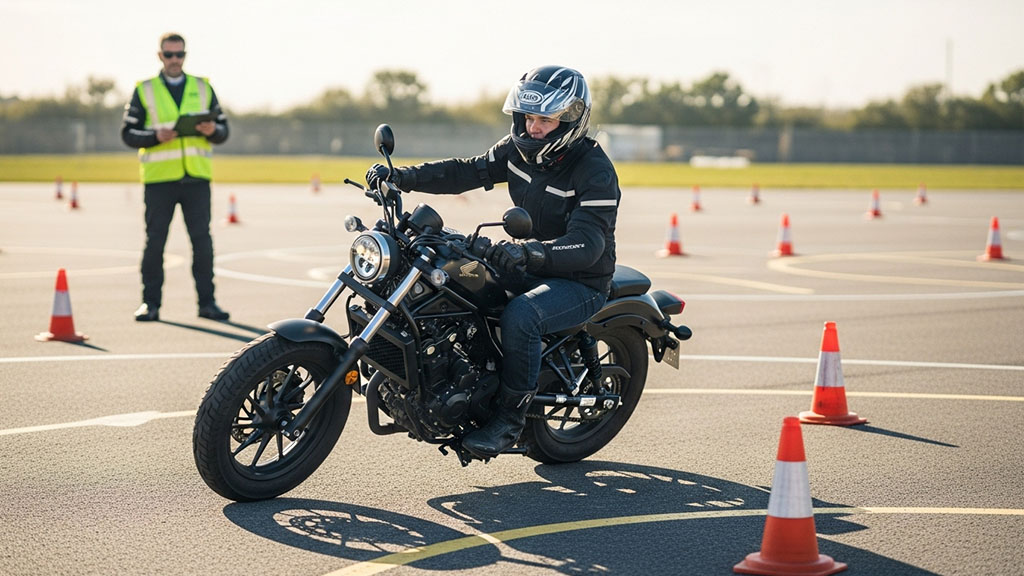
One of the best decisions a new rider can make is taking a rider course through Montana Motorcycle Safety. The Basic Rider Course teaches essential skills every rider should know before hitting the road. These skills build confidence, improve bike control, and can help you avoid accidents before they happen.
Read next: Your Complete Guide to the Montana Motorcycle Safety Foundation
Find a Mentor
I can’t stress this enough: ride with experienced riders. A good mentor can help you develop proper riding habits, teach you real-world skills, and guide you through situations you won’t learn from a book.
Ask questions when you’re unsure. Most riders love talking about motorcycles and sharing what they’ve learned. Teaching others also helps experienced riders keep their own skills sharp.
Wear the Right Gear Every Ride
Protective gear isn’t optional; it’s essential. You don’t have to spend a fortune, but you do need the right equipment:
- Jacket: Choose one that fits properly and includes armor or reinforced shoulders, elbows, and back protection.
- Gloves: Leather gloves with padded palms and reinforced knuckles protect your hands in a fall.
- Pants: Riding jeans should be at least 12 oz. denim. Many options allow armor in the hips and knees, or you can wear armored compression gear underneath.
- Boots or Riding Shoes: Protect your feet and ankles. Regular sneakers aren’t enough.
- Eye Protection: Riding sunglasses or a visor protect your eyes from wind and road debris. Trust me, small rocks hurt.
Your Helmet Is Non-Negotiable
Your helmet is the most important piece of gear you own. Always buy a DOT-certified helmet from a reputable brand.
Avoid knockoffs or “cool-looking” helmets from questionable online sellers, as there are many fakes out there. Brands like Bell, HJC, LS2, and Scorpion offer quality helmets without breaking the bank.
Practice Before You Push Limits
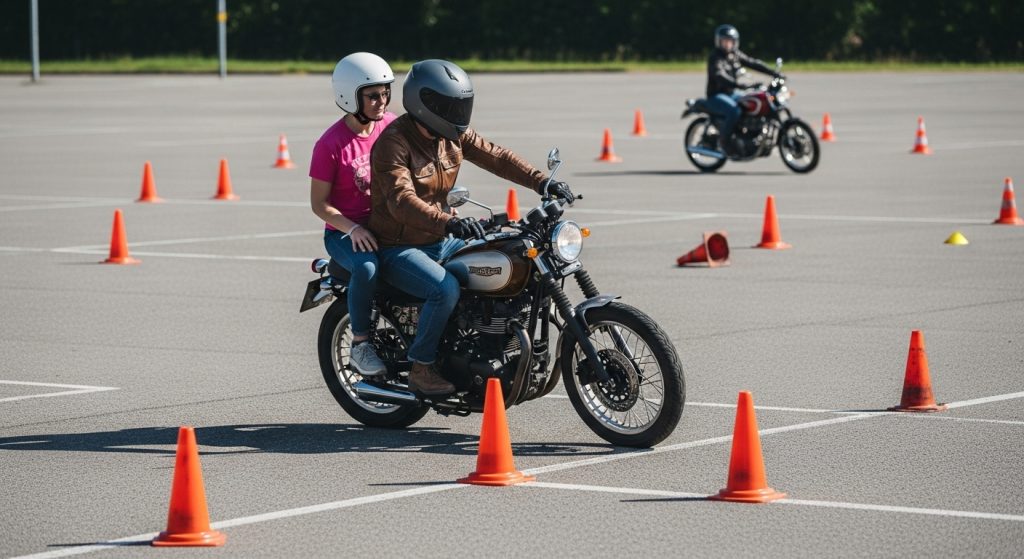
Practice in a parking lot or large driveway. Work on:
- Smooth starts and stops
- Tight turns
- Throttle control
- Feathering the clutch at low speeds
Practice starting from a stop like you would in traffic, and always leave enough space between you and the vehicle ahead so you can react quickly. Take time to learn how your bike handles, especially if you change parts like your seat or handlebars.
Ride Smart, Ride Safe, Have Fun
Motorcycling is an incredible experience, but it demands respect and responsibility. Invest in training, surround yourself with experienced riders, wear proper gear, and practice often.Most importantly: ride safe and enjoy the freedom that comes with life on two wheels.
