
Technology and its use in motorcycle safety, like all areas of our lives, is constantly evolving. This is a good thing for us as riders, as we are far more exposed than motorists in cars, who benefit from vehicle frames, crumple zones, and multiple airbags built into dashboards, seats, and doors.
Modern vehicles also use sensors that can automatically brake or prevent unsafe lane changes. Motorcycles, at least for now, don’t have those same protections.
As riders, our primary defense is the safety gear we choose to wear. In recent years, motorcycle airbag vests have become more widely available, and I’ve been asked to write about how effective they are.

The Grim Reality of the Numbers
I have never personally used an airbag vest, but after researching this topic, I am very interested in purchasing one. Anything that improves our odds of surviving—or walking away from—an accident is worth serious consideration.
According to the National Highway Traffic Safety Administration (NHTSA), 6,335 motorcyclists were killed in crashes in 2023. That accounted for roughly 15% of all traffic fatalities and marked the highest number of motorcycle deaths since 1975.
That statistic is significant for several reasons. There are more motorcycles on the road each year, many riders never take a basic rider course, and traffic density continues to increase.
In addition, here in Montana, we experience a higher number of wildlife-related accidents than many other states, adding another layer of risk for riders.
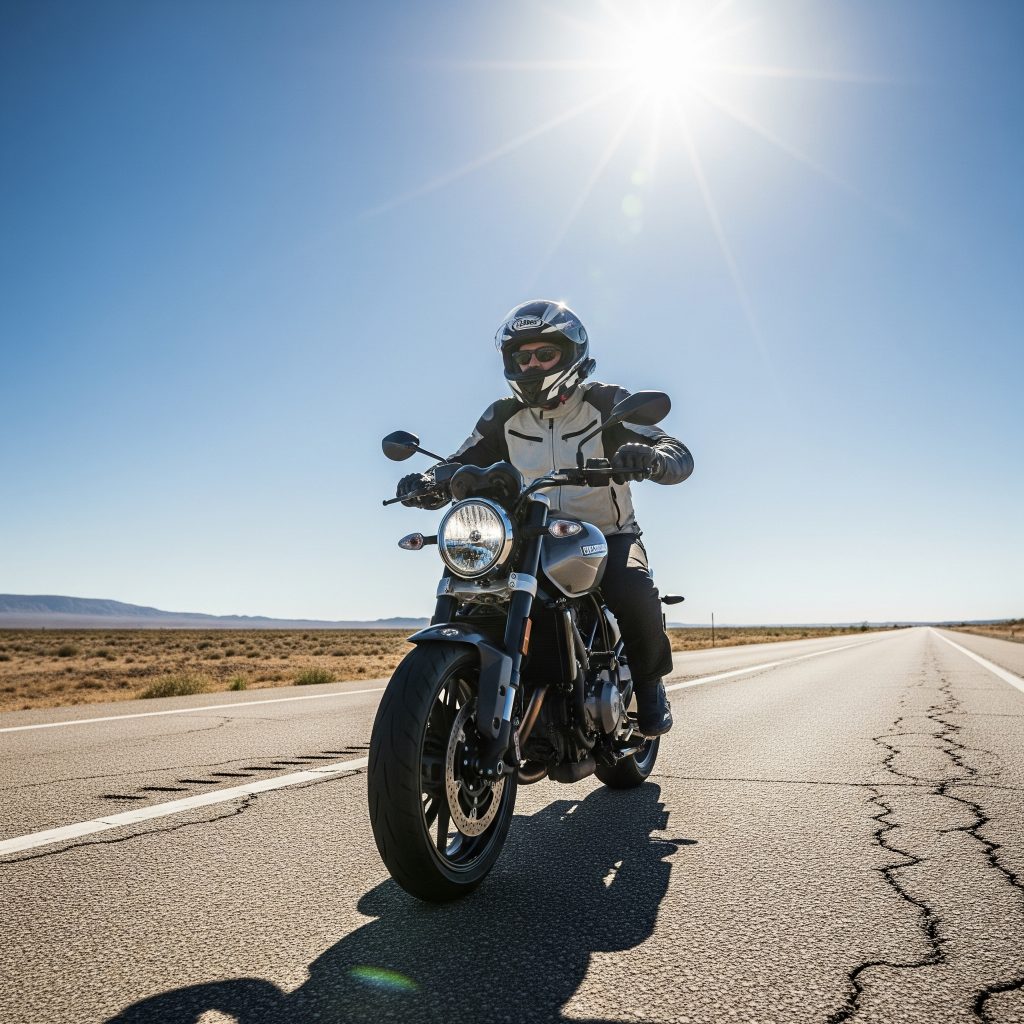
So, How Effective Are Motorcycle Airbag Vests?
The answer is clear: yes, they are effective.
Blunt-force trauma is the leading cause of severe injury and death in motorcycle accidents. Studies show that riders wearing airbag vests experience a significant reduction in forward momentum during a crash—some reporting reductions of up to 60%.
Head injuries were reduced by nearly 80% in certain cases, while serious torso and spinal injuries were reduced by approximately 55–80% compared to riders without airbag protection. Overall, research suggests a decrease in severe injuries of up to 70–82%.
Airbag vests are designed to inflate in milliseconds, distributing impact forces over a larger surface area rather than allowing blunt force to concentrate on a single point.
Most vests protect the torso, neck, and spine, helping reduce fracture risk, internal injuries, and chest compression trauma. They also stabilize the upper body, which can reduce secondary injuries during a crash.
While airbag vests do not replace a helmet or directly protect the head, they help stabilize the head and neck, lowering the risk of severe cervical injuries. It’s important to note that these vests do not protect the arms or legs.
The Real Cost of Staying Safe
One potential drawback for many riders is cost. For example, a Klim airbag vest can be purchased for around $299, but it requires a subscription to use its In&box detection module. This subscription keeps the system updated with the latest data to improve crash detection. Pricing is typically $12 per month, $120 per year, or a one-time fee of $399.
Personally, I feel the annual subscription offers the best balance of flexibility and value, but riders should research all options carefully, as costs can add up quickly.
Overall, motorcycle airbag vests are something every rider should seriously consider. Some systems are electronically triggered and rechargeable, while others are tethered mechanically to the bike.
Each design has its advantages, and the best choice will depend on your riding style, budget, and preferences. These vests can be worn under or over riding gear, as long as the manufacturer’s sizing and fit guidelines are followed.
I plan to continue researching airbag vests and intend to purchase one for both my wife and myself. I encourage all riders to consider this technology and everything else we can do to ride as safely as possible every time we swing a leg over the bike.
