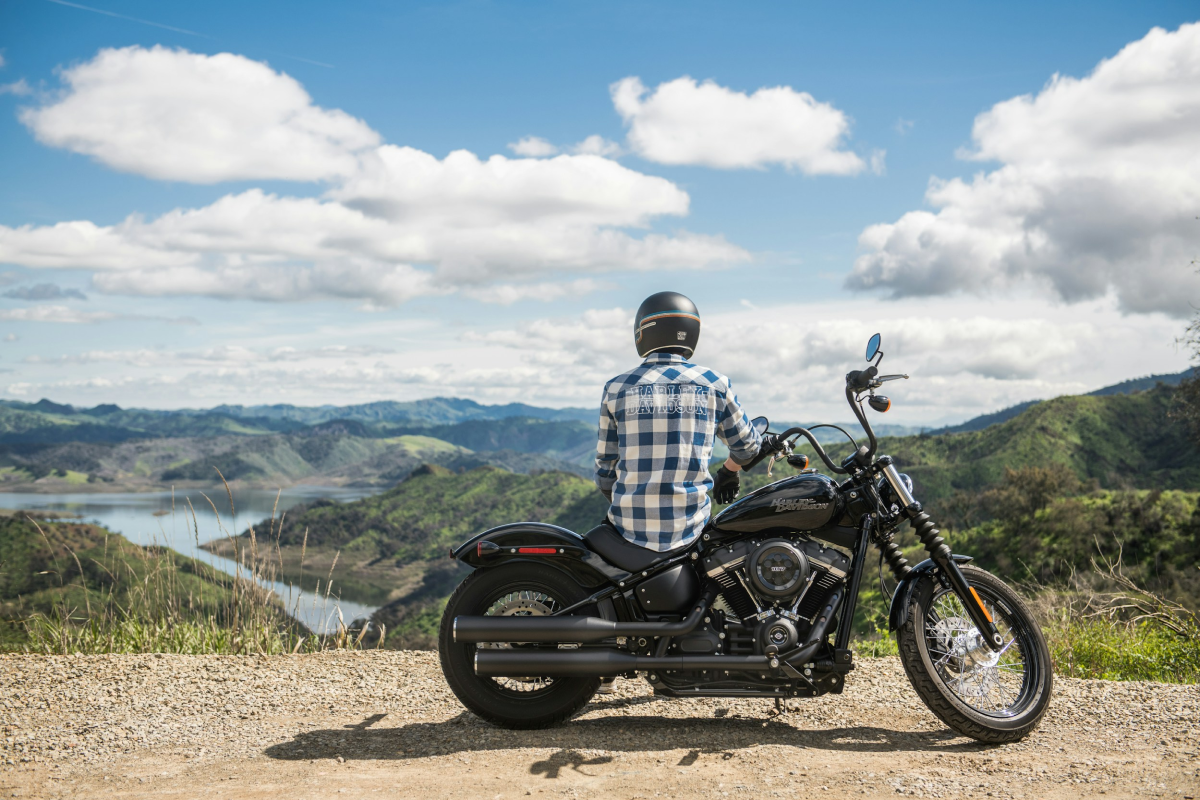
Welcome to the Montana Motorcycle Safety Foundation (MMSF) blog! Take a few minutes to explore our site for valuable information about safe riding and how MMSF promotes our Ride Safe motto. Whether you’re a new rider or a seasoned veteran like me, safety should always be top of mind—especially here in Montana.
We’ve got more than just other drivers to watch out for. With our abundant wildlife, there are plenty of hazards that can ruin a ride in an instant.
Our motto, Ride Safe, is more than just a slogan—it’s our mission. MMSF is collaborating with the state and other members of the motorcycle community to ensure riding in Big Sky Country is both enjoyable and safe for everyone on the road.
Just this morning, on my way to work, I had a close call with a deer. She was standing at the edge of the road, and if I hadn’t been paying attention, she could’ve darted out in front of me. Thankfully, I was alert and had my high beams on since the sun was just starting to rise. Today I was driving my truck, but it could just as easily have been my Harley.
Moments like that remind us that skill alone doesn’t make a great rider—awareness does.
What Defines a Good Rider
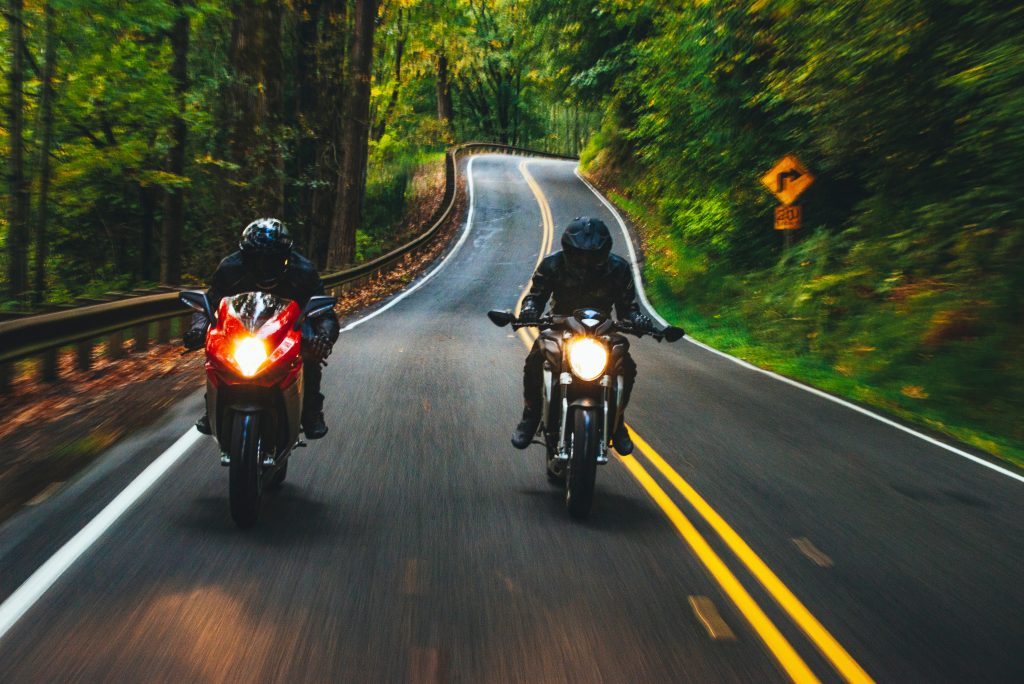
A good rider is best described as one who possesses acute situational awareness, demonstrates strong skill and control over their motorcycle, and adapts their behavior to the environment and conditions (Motorcycle Intelligence; Riding in the Zone).
Good riders:
- Stay constantly aware of traffic and potential hazards (Reddit Discussion).
- Use well-developed visual scanning techniques to read the road ahead (MOTORESS).
- Ride with judgment—knowing when to slow down and when it’s safe to accelerate (YouTube – MotoJitsu).
- Maintain control in all conditions, especially during slow-speed maneuvers and emergency braking (TRB Study PDF).
- Stay relaxed, confident, and never reckless (UltraFang).
- Continue learning through experience and professional instruction (New Motorcycle Riders Group).
In essence, a good rider balances skill, awareness, and decision-making to stay safe and in control at all times on the road.
Situational Awareness: The First Line of Defense
Situational awareness means understanding what’s happening around you at all times. A good rider reads traffic patterns, anticipates potential hazards, and adjusts before danger appears (Riding in the Zone).
That deer encounter earlier? That’s a perfect example. I spotted her early, predicted what might happen, and reacted smoothly—no panic, no swerving.
Ride Safe Tip:
Be proactive, not reactive. The best riders use constant scanning to anticipate what’s next, not just respond to what’s now.
Visual Scanning: Seeing the Whole Picture
Expert riders train their eyes to look 12–20 seconds ahead while continuously checking mirrors and blind spots. This habit—known as visual scanning—helps riders process changing conditions and respond early (MOTORESS).
In Montana, scanning isn’t optional—it’s survival. Between wildlife, rural roads, and unpredictable weather, keeping your eyes moving ensures you’re never caught off guard.
Ride Safe Tip:
Your eyes are your most important safety gear. Practice scanning not just the road, but intersections, ditches, and movement at the edges of your vision.
Control and Skill: Mastering the Machine
Being in control means knowing your motorcycle intimately—how it responds to braking, leaning, and throttle input. It’s what separates a good rider from a lucky one (TRB Research).
At MMSF, we teach mastery through repetition. Riders learn smooth clutch work, tight cornering, and precise braking under all conditions.
Ride Safe Tip:
Skill is built through time and attention. Ride often, practice slow-speed drills, and never assume you’ve “learned it all.”
Judgment and Decision-Making
Good riders don’t rely on luck—they rely on judgment. They know when to hold back, when to brake, and when to accelerate confidently.
That judgment prevented my deer encounter from turning into a crash. Instead of reacting emotionally, I eased off the throttle and stayed in control.
Every second on a motorcycle presents choices. The best riders use good judgment to make those decisions calmly, not impulsively (Riding in the Zone).
Ride Safe Tip:
Good decisions start with awareness. If you can predict what’s coming, you can prevent it from becoming a problem.
Confidence Without Overconfidence
Confidence allows riders to stay relaxed and controlled—but overconfidence leads to risk.
Studies show that riders who overestimate their skill are more prone to accidents (Motorcycle Intelligence).
MMSF encourages calm confidence—staying composed, not cocky. Every time you ride, remember that mastery isn’t about pushing limits; it’s about staying sharp within them.
Ride Safe Tip:
Ride with humility. The moment you think you can’t make a mistake is when you’re most likely to make one.
The Role of Training and Lifelong Learning
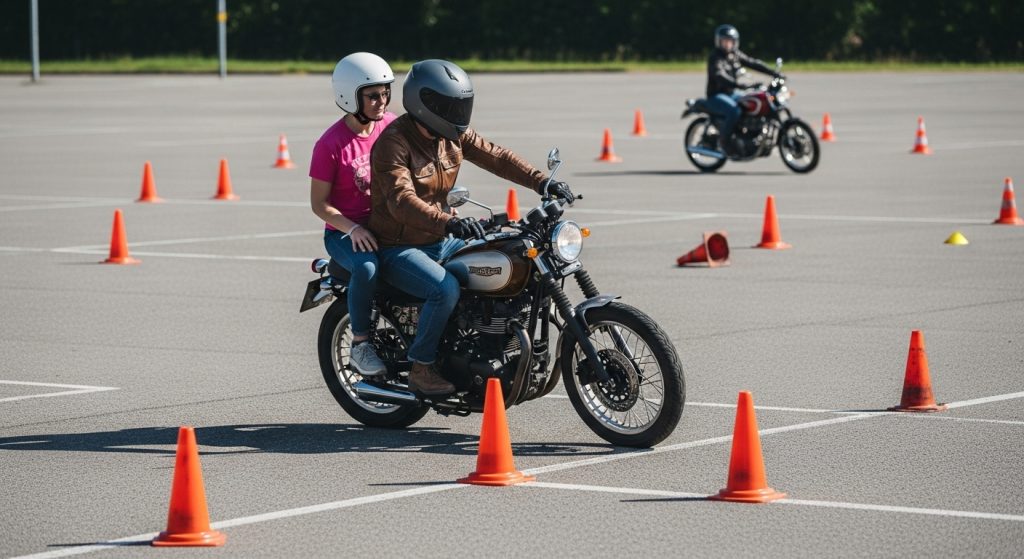
Even experienced riders benefit from structured training. MMSF courses emphasize controlled braking, cornering precision, and hazard prediction—skills that save lives on Montana roads.
A good rider never stops learning (New Motorcycle Riders Group). Whether it’s a refresher course or an advanced safety clinic, every class sharpens your instincts and awareness.
In partnership with the Montana Motorcycle Riders Safety Program, MMSF plans to offer helmet vouchers and scholarships to make safety education accessible to everyone in Big Sky Country.
Ride Safe Tip:
Training isn’t a one-time event—it’s a lifelong commitment to your safety and the safety of others.
Responsibility and the Ride Safe Culture
At MMSF, we’re building a culture where responsibility and freedom go hand in hand.
We’re dedicated to educating and empowering riders through community programs, public outreach, and accessible safety training. Our mission is to keep Montana’s roads safe while protecting the joy of the open ride.
As one UltraFang article notes, the best riders aren’t just skilled—they’re self-aware, disciplined, and courteous (UltraFang).
Ride Safe Tip:
Respect the road, respect others, and respect your limits. That’s how you build a lifelong riding legacy.
Safety Starts Before You Ride
When we saddle up, safety has to be our number one priority. It’s not just about the gear we wear or the bike we ride—it’s about our mindset before we turn the key.
Start every ride with a quick safety checklist:
- Wear proper, visible gear.
- Check brakes, tires, fluids, mirrors, and lights.
- Pack essentials: first-aid kit, tools, and rain gear (Montana weather changes fast!).
- Be mentally and physically ready to ride.
Until then, keep those two wheels on the pavement, gear up properly, make sure your bike is road-ready—and most importantly, Ride Safe!
