
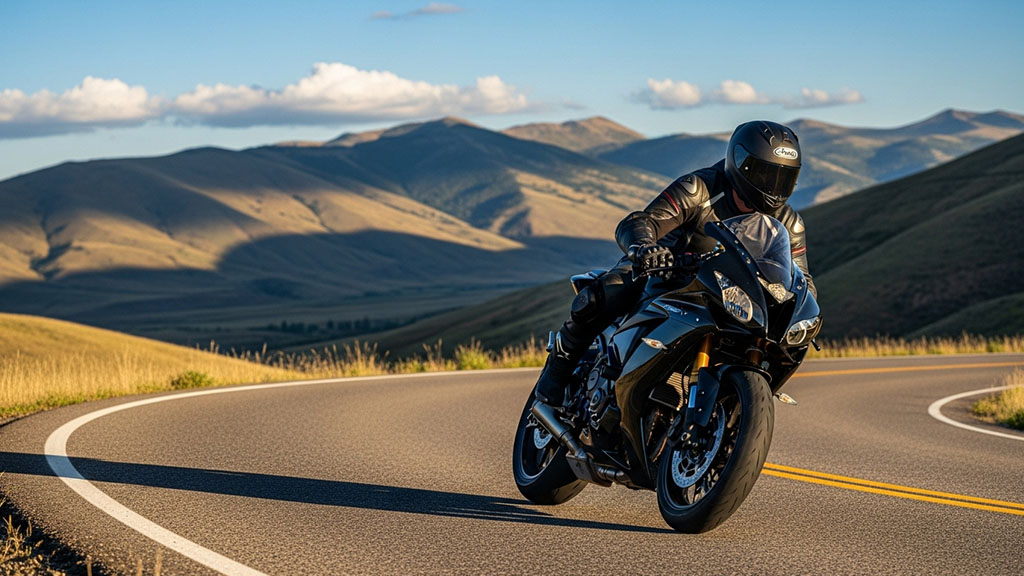
Riders ask this question all the time: When is it time to replace your helmet?
The most common answer you’ll hear is every five years, but that guideline only tells part of the story.
Most helmet manufacturers recommend replacing your helmet five years from the date of purchase. That recommendation exists because helmets are constantly exposed to elements that slowly degrade their materials, like sunlight, heat, rain, sweat, and everyday wear.
Over time, those factors reduce a helmet’s ability to protect you, even if it still looks fine on the outside.
But age alone shouldn’t be the only deciding factor.
What About Dropping Your Helmet?
Let’s face it, we’ve all done it. You stop for fuel or a break, set your helmet on the seat for “just a second,” and it slides off onto the pavement. Or you hang it on the handlebar and it takes a tumble.
So, does a dropped helmet need to be replaced?
That depends on the impact and your comfort level. I’ve dropped a helmet before and continued using it, but only after thoroughly inspecting it. I’ve also got friends who replace their helmet anytime it hits the ground, no questions asked.
There’s no single right answer, but there is a smart one. Inspect the helmet carefully. Look for cracks in the shell, damage to the liner, or any changes in fit or feel. If you have any doubt at all, replace it.
Your helmet is not the place to take chances. You need absolute confidence in your gear when you’re riding.
Environmental Wear Matters
Helmets don’t just wear out from impacts. Environmental exposure plays a big role in how long a helmet lasts.
- UV rays slowly break down shell materials
- Heat, especially in summer, accelerates aging
- Rain, sweat, and skin oils degrade the interior liner and padding
Storage is another big factor. Many riders keep their helmet in the garage, but think about how hot garages get in the summer: most aren’t climate controlled. Prolonged heat exposure can shorten a helmet’s lifespan even if it’s never been dropped or crashed in.

After a Crash: No Exceptions
This one is simple.
If you’re involved in a crash or your helmet takes a hard impact, replace it immediately.
Even if the impact seems minor or you don’t see visible damage, the internal EPS foam may have absorbed energy and compromised its ability to protect you in a future crash. Helmets are designed for one significant impact. Don’t risk finding out the hard way that yours already did its job.
Fit Is Just as Important as Age
One thing many riders overlook is that fit matters more than age. A helmet that’s uncomfortable, loose, or doesn’t fit your head shape properly won’t protect you as well, no matter how new it is.
Manufacturer replacement guidelines are intentionally conservative. Use them as a baseline, not a rule carved in stone. Regular inspections, proper storage, and honest assessment go a long way.
Final Thoughts
Replacing a helmet isn’t just about time, but also condition, impact history, exposure, and fit. Trust your judgment, inspect your gear often, and don’t hesitate to replace a helmet when safety is on the line.
You only get one head.
Ride safe, and make sure your helmet is always up to the job.
