
Top 7 Indispensable Motorcycle Safety Tips Every Rider Should Know
Whether you’re a new rider or an experienced motorcyclist, prioritizing safety is essential. From professional training to gear selection and road awareness, every detail matters.
These seven motorcycle safety tips are rooted in best practices from programs like motorcycle safety foundation training, motorcycle defensive driving courses, and SafeRide motorcycle training—offering a practical approach to riding a motorcycle safely.
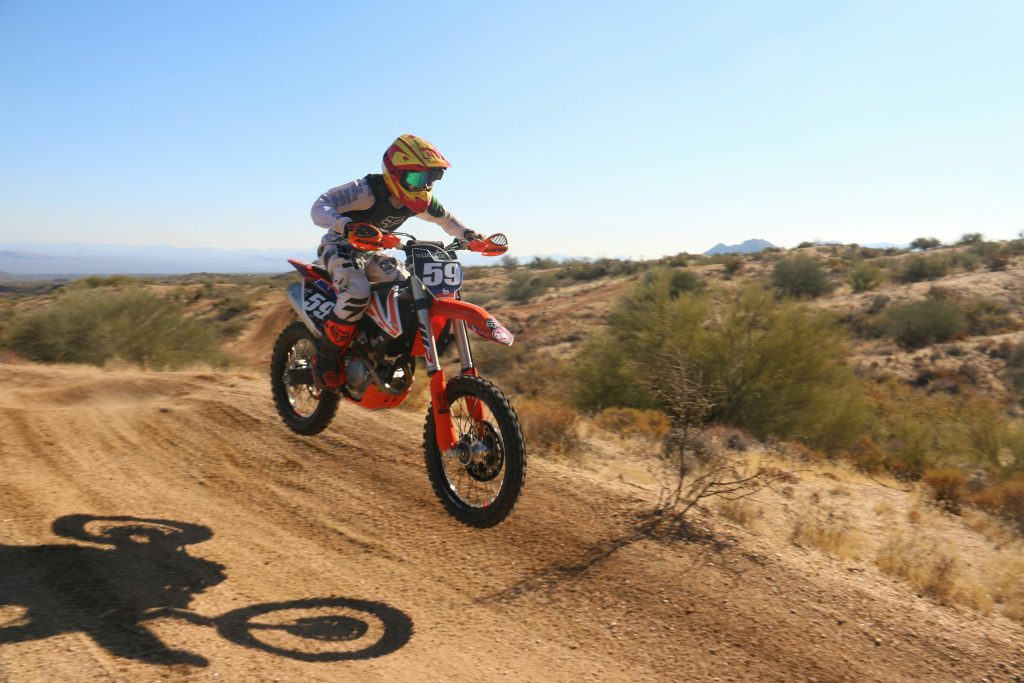
- Take a Motorcycle Defensive Driving Course
A motorcycle defensive driving course teaches advanced riding techniques such as hazard perception, collision avoidance, and proactive decision-making.
These skills are especially important considering that in over 40% of fatal motorcycle crashes, the other vehicle was turning left while the motorcycle was going straight, passing, or overtaking, according to the National Highway Traffic Safety Administration (NHTSA).
Defensive riding training helps riders anticipate and avoid these high-risk situations.
- Enroll in Motorcycle Safety Foundation (MSF) Training
Motorcycle safety foundation training is one of the most effective ways to build a foundation of safe riding habits. The MSF’s Basic RiderCourse includes both classroom and on-cycle instruction and is accepted by most states as part of the licensing process.
According to the Motorcycle Safety Foundation, riders who complete MSF training are significantly less likely to be involved in a crash. Their curriculum emphasizes skill development, risk awareness, and real-world application for new and experienced riders alike.
- Wear the Right Gear Every Time
Protective gear isn’t optional—it’s a life-saving necessity. Always wear a DOT-approved helmet, gloves, over-the-ankle boots, and protective clothing made with abrasion-resistant materials.
Helmets alone reduce the risk of death by 37% for motorcycle operators and by 41% for passengers, according to NHTSA. Bright colors and reflective elements also help improve visibility and rider safety, particularly in low-light conditions.
- Make Yourself Visible on the Road
A major cause of motorcycle crashes is other drivers failing to see the rider. To stay visible, keep your headlight on even during the day, avoid riding in vehicle blind spots, and always use turn signals early and clearly.
According to the well-known Hurt Report, which remains a foundational motorcycle safety study, approximately 75% of motorcycle accidents involve collisions with passenger vehicles where the driver did not see the motorcycle.
Maximizing your visibility significantly reduces the chances of this happening.
- Scan for Hazards and Ride Defensively
Riding a motorcycle safely requires constant attention to changing road conditions, traffic behavior, and potential hazards. Motorcyclists must remain alert at all times, scanning for sudden stops, vehicles changing lanes, potholes, and debris.
Defensive riding techniques—taught in motorcycle defensive driving courses and reinforced in SafeRide motorcycle training—emphasize staying ahead of potential dangers.
NHTSA data indicates that many motorcycle crashes occur at intersections, often when drivers fail to yield to an oncoming motorcycle. Developing hazard anticipation skills can drastically reduce your risk of being caught off guard.
- Maintain Your Motorcycle
Regular maintenance ensures your motorcycle performs reliably under all conditions. Check your tires, brakes, lights, oil levels, and chain tension before every ride. While mechanical issues account for only a small percentage of motorcycle crashes, when they do occur, they’re often serious.
According to the Insurance Institute for Highway Safety (IIHS), the most common mechanical contributors to crashes are tire and brake failures—both of which are preventable with routine inspection and servicing.
- Continue Your Training with SafeRide Motorcycle Training
Even experienced riders benefit from continuing education. SafeRide motorcycle training offers advanced and refresher courses that go beyond the basics, focusing on precision control, low-speed maneuvers, and group riding etiquette.
The MSF and state motor vehicle departments report that riders who pursue ongoing training demonstrate improved reaction times and better risk management in emergencies.
Making rider safety a long-term commitment through periodic training is one of the smartest choices any motorcyclist can make.
Motorcycle safety is not just a concern—it’s a necessity. With millions of motorcyclists on the road annually, the risk of serious injury or death remains significantly higher than for car drivers.
Due to the lack of external protection, riders must prioritize safety through proper gear, defensive riding techniques, and certified training programs.
Learn more about why safety matters and how to protect yourself on the road by reading this article on Motorcycle safety is not just a concern—it’s a necessity.
The Montana Motorcycle Safety Foundation is a non-profit organization committed to enhancing motorcycle safety and awareness across Montana.
Through rider training courses, safety education, and community outreach programs, they equip motorcyclists with the skills needed to ride safely and responsibly.
Their initiatives promote safer roads by providing essential resources and fostering a culture of responsible riding. Contact the Montana Motorcycle Safety Foundation to learn more or get involved.