

Whether you’re new to riding or have years of experience, chances are you will have to brake suddenly to avoid an accident. I’ve faced that situation many times over the years, and thankfully, all of my bikes have been equipped with Anti-Lock Brake Systems (ABS). Because of ABS, I didn’t lock up my wheels, lose control, or end up wrecking.
That experience leads to an important question many riders ask:
Do motorcycles with ABS actually increase rider safety and help prevent accidents?
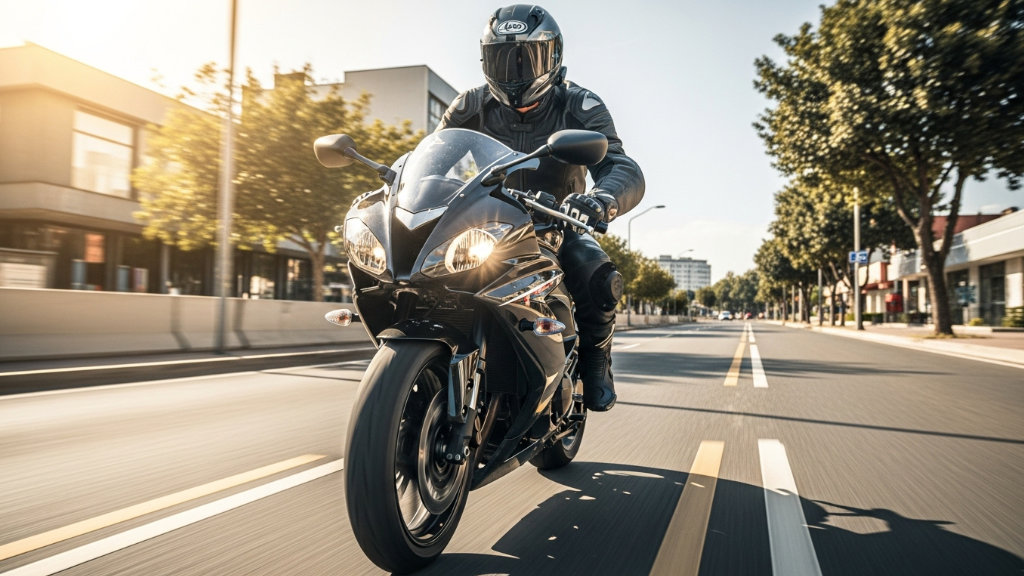
The Short Answer: Yes
ABS on motorcycles helps reduce the risk of a crash, especially during hard or emergency braking. Without ABS, braking aggressively can cause the wheels to lock up. Once that happens, the bike becomes unstable, traction is lost, and the chances of a crash increase dramatically.
Most modern cars come standard with ABS, and their systems are fully integrated. When you brake, all four wheels respond together. Motorcycles are very different.
The front and rear brakes are separate and controlled independently, which means rider input plays a much bigger role in stopping safely.
Why ABS Matters on a Motorcycle
Because motorcycles rely on two independent brakes, proper braking technique is critical. Using both the front and rear brakes helps control the bike, especially when stopping quickly. ABS supports this by preventing wheel lock-up, allowing the rider to maintain steering control and stability even during panic stops.
Motorcycles equipped with ABS give riders an important safety advantage: the ability to brake hard without losing control. This is especially valuable in unexpected situations, such as when a vehicle pulls out in front of you or traffic suddenly stops.
ABS Isn’t Perfect, But It Helps
ABS will not prevent every accident. Rider awareness, skill, and decision-making still matter. However, ABS can improve stopping performance and significantly reduce risk.
There are some drawbacks to consider. Bikes with ABS typically cost more and weigh slightly more than non-ABS models. In certain conditions, such as loose gravel or very slick surfaces, ABS may result in slightly longer stopping distances.
That said, the tradeoff is increased control, which is often the difference between a close call and a crash.
If you ride smart, understand your bike, and practice good braking habits, ABS adds confidence and safety when it matters most.
Spring Riding Hazards: Sand and Road Debris
As riding season begins, another major factor comes into play: road conditions. Sand, gravel, and debris left behind from winter road treatments can seriously affect braking, particularly at stoplights and intersections. Even areas that didn’t see much snow often have leftover sand from road crews.
Extra caution is essential in the spring. Smooth, controlled braking and the added protection of ABS can help riders stay upright when traction is unpredictable.
My Take on ABS for Motorcycles
Personally, I’m very happy that my bikes are equipped with ABS. The system has helped me avoid accidents and made it easier to maintain control during hard braking situations.
I strongly recommend that new riders find a safe, controlled environment to practice emergency braking so they can learn how their bike responds.
ABS is not a replacement for skill or awareness, but it is a powerful safety tool that can reduce risk and increase rider confidence.
As always, ride safe, ride smart, and enjoy the road.
