You’ve been thinking about getting your motorcycle endorsement for a while now. Maybe you already own a bike, or you’re about to buy one, and the question that keeps coming up is: do you actually need to take a formal course? You could skip it, right? Just head to the DMV, pass the written test, and handle the skills test on your own. Plenty of people go that route.
Here’s the thing, though. Most of those people wish they hadn’t. A DPS approved motorcycle safety course does something the DMV skills test never could: it puts you on a bike, in a controlled space, with an instructor who catches the habits you didn’t even know you were forming. Before those habits have a chance to get you hurt.
Whether you’re brand new to riding or you’ve been on two wheels for years and want a refresher, understanding what these courses are, how they’re structured, and where to find one near you is worth your time. Let’s walk through all of it.
Why DPS Approval Actually Matters
Not every motorcycle course is created equal. Some are weekend workshops run by local clubs. Others are professionally structured programs reviewed and approved by state driver and public safety agencies, sometimes called DPS, sometimes DMV depending on where you live. When a course carries that approval, it means the curriculum, instructors, and range standards have all been evaluated against a state benchmark.
In most states, completing a DMV approved motorcycle safety course near you does more than teach you to ride. It waives the DMV skills test entirely. That alone saves you the anxiety of a cold test-day performance. Many states also offer insurance discounts for riders who complete an approved course, and some waive certain licensing fees for new riders under 18.
The gold standard for these programs is the motorcycle safety foundation basic rider course. The MSF curriculum is used across the country as the foundation for state-approved training, and most DPS-approved programs are built on it or directly affiliated with it. You can read a deeper breakdown at motorcycle safety foundation basic rider course, which covers exactly what the curriculum involves and who it’s designed for.
Honest answer: if a course isn’t DPS or state-agency approved, it may still be valuable, but it won’t get you the licensing shortcuts or insurance perks. Always verify approval status before you register.
Want to support safer riding in your community? See how MTMC Foundation helps.What You’ll Actually Do in the Course
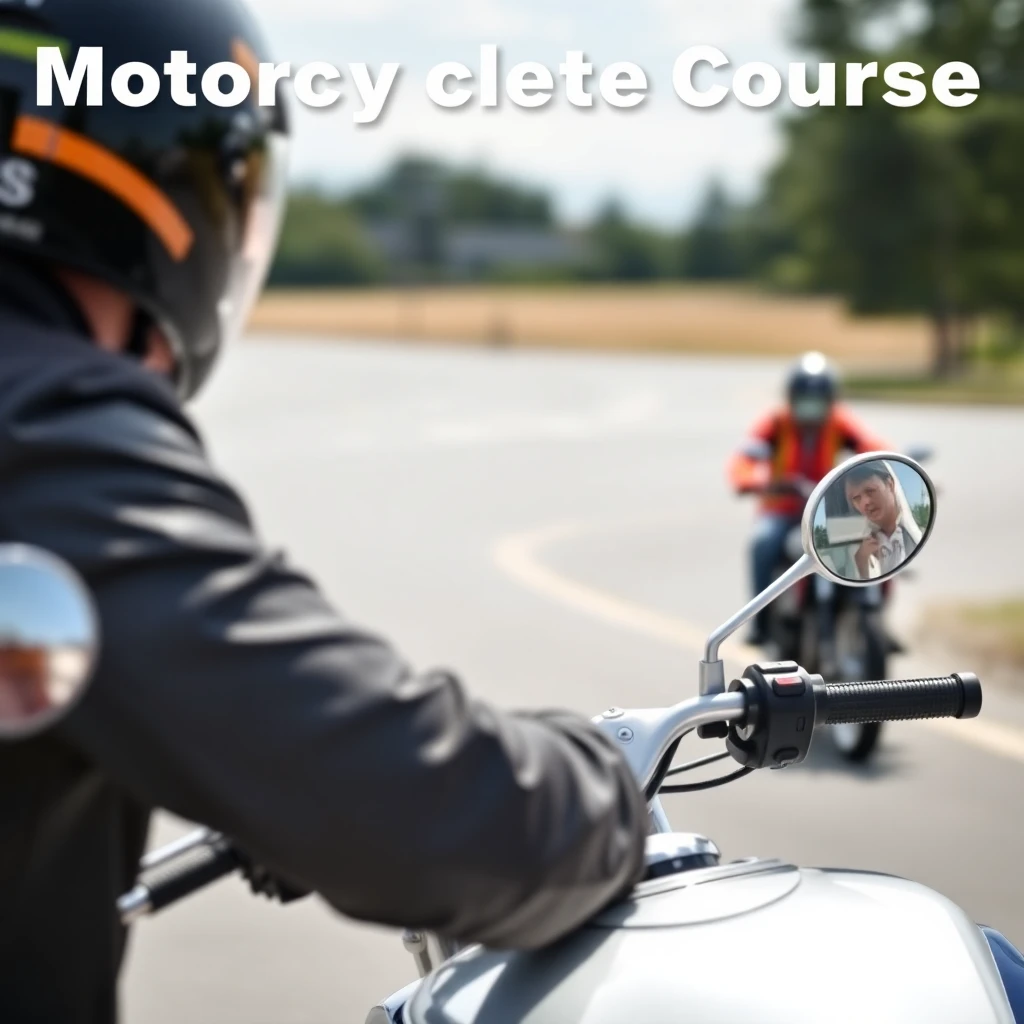
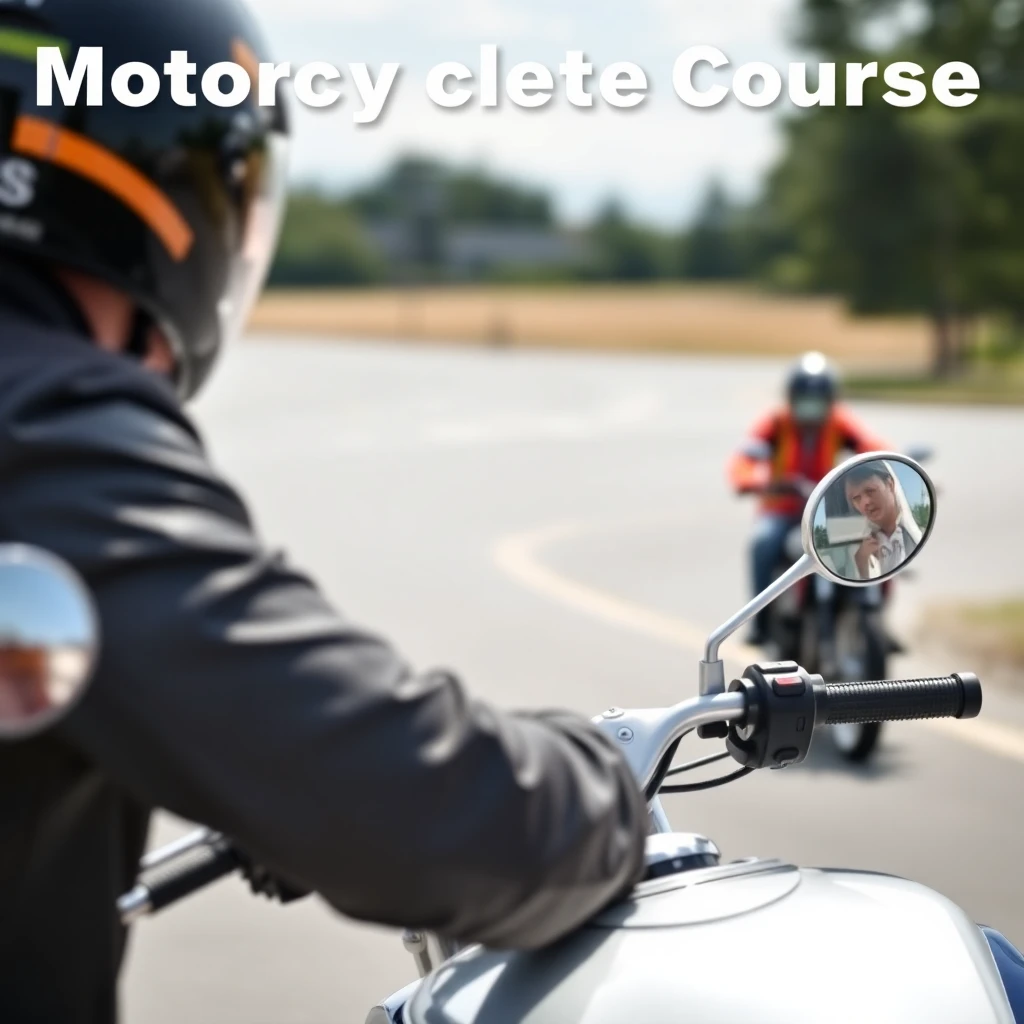
Most DPS approved motorcycle safety courses are split between classroom time and range time. The classroom portion covers rules of the road, protective gear, mental preparation, and how to think about risk. It’s not dry lecture material either. Good instructors tie every concept back to real situations you’ll face the moment you leave the parking lot.
undefinedThe range portion is where it clicks. You’ll start with basics: mounting, balancing, and low-speed control. From there you’ll move into braking drills, swerving exercises, and cornering. The Motorcycle Safety Foundation eCourse, offered by MSF as a pre-study option, gives you a head start on the classroom content so your range time is even more productive. You can look at that option at motorcycle safety course: what to expect for a full picture of how the day flows.
One thing first-timers consistently say surprises them: the range exercises are harder than they expected, and that’s exactly the point. Stopping quickly from 20 mph feels very different when you’re doing it on a real bike under pressure. That muscle memory, built in a safe environment, is what saves your life on the street later.
For riders who can’t attend in person, some states now accept a DPS approved motorcycle safety course online as a partial substitute for the classroom portion, though the range component always requires physical attendance. Check your state’s DMV or DPS website to confirm what’s accepted in your area.
Finding a Course Near You, and What to Expect at Registration
Searching for a motorcycle safety course near me is usually the first step, and the results can be a little overwhelming. Here’s a simple way to cut through the noise.
Start with the MSF’s official course locator at msf-usa.org. Every listed provider has met MSF’s standards, and most are also DPS approved in their state. If you’re in Montana, the Montana Motorcycle Safety Foundation page covers local options, schedules, and what the endorsement process looks like from start to finish.
Registration typically involves choosing a date, paying a course fee (usually $150 to $350 depending on the state and provider), and showing up with the right gear. Most basic rider courses provide motorcycles, so you don’t need your own bike to start. You do need a helmet, over-the-ankle boots, gloves, long pants, and a long-sleeved jacket at minimum. Some providers rent or loan gear if you don’t have it yet.
States like Ohio post motorcycle safety course locations on their DMV websites, making it straightforward to find a nearby range. Maryland has a structured Maryland Motorcycle Safety Program that operates through community colleges statewide. Pennsylvania even offers a PA free motorcycle safety course for Eligibleing residents. The structure varies, but the core training is consistent because most programs trace back to the same MSF curriculum.
| State | Program Name | Typical Cost | Skills Test Waiver |
|---|---|---|---|
| Montana | Montana MSF Basic Rider Course | $50, $150 | Yes |
| Ohio | Ohio Motorcycle Safety Program | $50, $100 | Yes |
| Pennsylvania | PA Motorcycle Safety Program | Free (Eligibleing riders) | Yes |
| Maryland | MHSP Motorcycle Safety Program | $75, $125 | Yes |
| Texas (DPS) | Texas DPS Approved BRC | $100, $250 | Yes |
Beyond the Basics: What Experienced Riders Get From These Courses
A lot of experienced riders skip these courses because they figure they already know how to ride. That’s understandable. It’s also, honestly, a missed opportunity. The MSF and similar approved programs offer advanced courses specifically designed for riders who’ve been on the road for years but want to sharpen specific skills, like counter-steering under pressure or high-speed hazard avoidance.
Crash data tells a clear story: a significant portion of motorcycle accidents involve riders who’ve been riding for years, not just beginners. Habits drift. Complacency builds. A structured refresher in a controlled setting catches those drifts before they become problems on the road. If you’re curious about the mindset side of riding, managing rider anxiety: building confidence after a close call is a worthwhile read alongside your course prep.
There’s a financial angle too. Many insurance providers offer a discount of 5 to 15 percent for completing an approved course, and that discount often applies regardless of how long you’ve been riding. Over a few years, the course pays for itself in savings alone.
One reader shared this after completing a course: “I’ve been riding for twelve years and thought the course would be boring. Instead, I found three things I was doing wrong in the first hour on the range. My instructor never made me feel bad about it. She just helped me fix them.” That kind of feedback is common, and it’s exactly why these programs exist.
If you want to look at the bigger picture of rider safety, including gear, pre-ride habits, and the mental side of the road, motorcycle safety tips for every rider covers that ground well.
Bringing It Full Circle: Safety as a Community Value
Here’s what tends to get lost in the conversation about licensing and endorsements. A DPS approved motorcycle safety course isn’t just a box you check to get your license faster. It’s a commitment to yourself and to everyone else sharing the road with you. Riders who train properly crash less. When they do crash, they’re more likely to recover. That matters to families. It matters to communities.
At MTMC Foundation, this is exactly the kind of mission we care about. Safer riders, better-educated communities, and the belief that proper training changes outcomes in ways that no amount of natural talent can replicate. If you’re in Montana or connected to the riding community here, we’d love for you to see what we’re building. A good place to start is the startling importance of motorcycle safety courses in Montana, which puts the local stakes in clear perspective.
Thinking about registration for your motorcycle once you’ve got your endorsement? The team at Montana Motorcycle Registration via Street Legal Hookup can walk you through your options, including Montana registration for riders across the country.
Taking the course is the right move. Not because someone told you to, but because every skilled rider you’ve ever admired started the same way: in a parking lot, on a small bike, learning how to stop before they learned how to go fast.
Ready to support safer riding? See how MTMC Foundation makes a difference in Montana and beyond.Frequently Asked Questions
What is a DPS approved motorcycle safety course?
It’s a structured training program reviewed and approved by a state’s Department of Public Safety or equivalent agency. Approval means the curriculum, instructors, and range standards meet state requirements. Completing one typically waives the DMV skills test and may Eligible you for insurance discounts. Most approved courses are built on the Motorcycle Safety Foundation Basic Rider Course framework.
Can I take a DPS approved motorcycle safety course online?
Some states allow the classroom portion to be completed online through a DPS approved motorcycle safety course online option. The hands-on range component always requires in-person attendance. Check with your specific state’s DMV or DPS website to confirm which portions are accepted remotely in your area before registering.
How do I find a DMV approved motorcycle safety course near me?
The MSF course locator at msf-usa.org is the most reliable starting point. Your state’s DMV or DPS website will also list approved providers. For Montana-specific options, visit motorcycle course near me for local schedules and provider details.
Do experienced riders benefit from taking a motorcycle safety course?
Yes, consistently. Advanced courses target skills like emergency braking and evasive maneuvers that drift over time. Insurance discounts apply to experienced riders too. Many long-time riders report the course corrected habits they didn’t know they had, and that kind of honest feedback from a trained instructor is hard to get anywhere else.
How much does a motorcycle safety course typically cost?
Costs range from free (Pennsylvania’s PA free motorcycle safety course for Eligibleing riders) to around $350 for premium providers. Most basic rider courses fall between $100 and $250. Some states subsidize costs significantly. Course fees typically include motorcycle use on the range, so you don’t need your own bike to get started.
Does completing the course guarantee I’ll get my motorcycle endorsement?
Completing the course fulfills the skills test requirement in most states, but you’ll still need to pass the written knowledge test at your DMV and meet any other state-specific licensing requirements. In most cases, riders who complete an approved course walk out with everything they need to apply for their endorsement the same week.
Related Reading