Montana Motorcycle Safety Foundation
10 Common Mistakes to Avoid When Riding a Motorcycle
Every rider — beginner or seasoned — has made at least one of these mistakes. Some are embarrassing. Some are expensive. And some, if left uncorrected, can be genuinely dangerous. Whether you’re new to two wheels or you’ve been riding for decades, understanding the 10 common mistakes to avoid when riding a motorcycle can mean the difference between a great ride and a trip to the ER. This updated guide walks through the most frequent errors riders make, with practical tips to fix each one and keep you safer on the road in 2025.
1. Skipping Proper Training
One of the most dangerous things a new rider can do is climb on a motorcycle without formal instruction. It might feel intuitive — twist the throttle, squeeze the brakes — but motorcycle control requires muscle memory that only structured training can build efficiently.
Montana and many other states offer accessible courses through the Motorcycle Safety Foundation (MSF) that teach everything from clutch control to emergency braking. If you haven’t completed a course yet, enrolling in a motorcycle safety course in Montana is one of the smartest first moves you can make as a rider. For those already licensed, an advanced course can sharpen skills that may have gotten rusty.
Even experienced riders benefit from refresher training — especially after a long winter layoff or after switching to a different style of bike.
2. Wearing Inadequate Gear
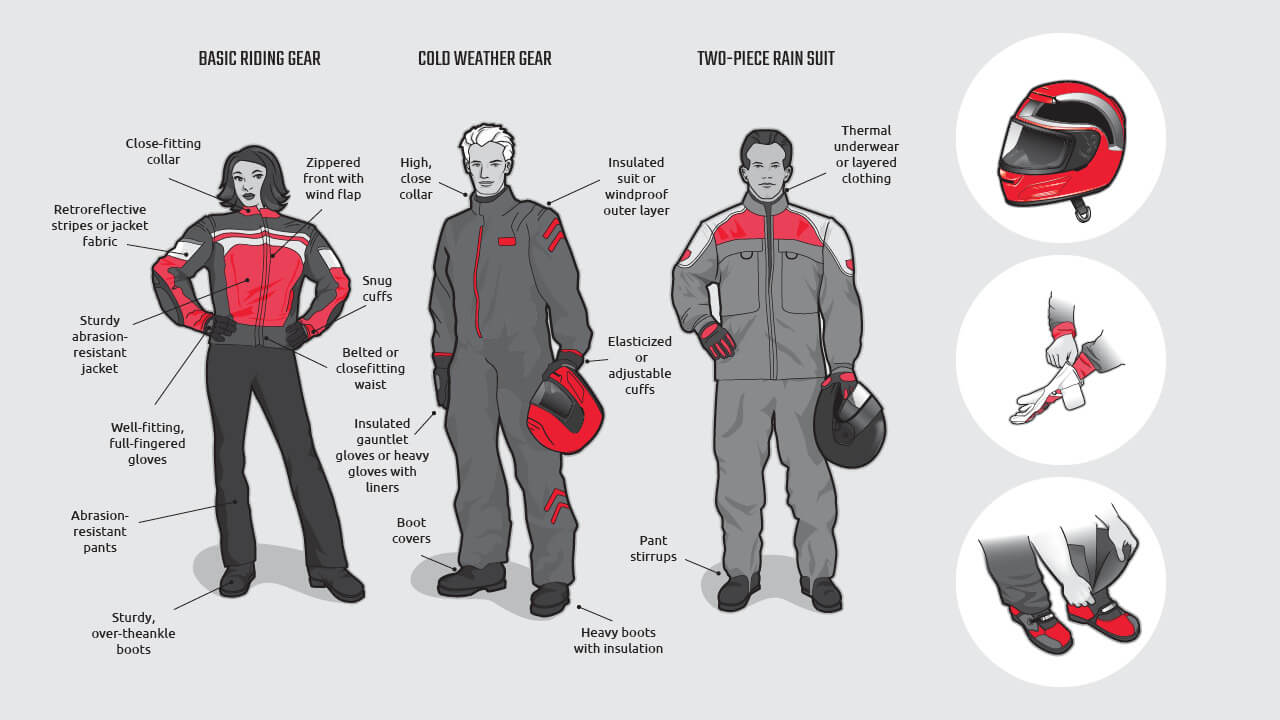
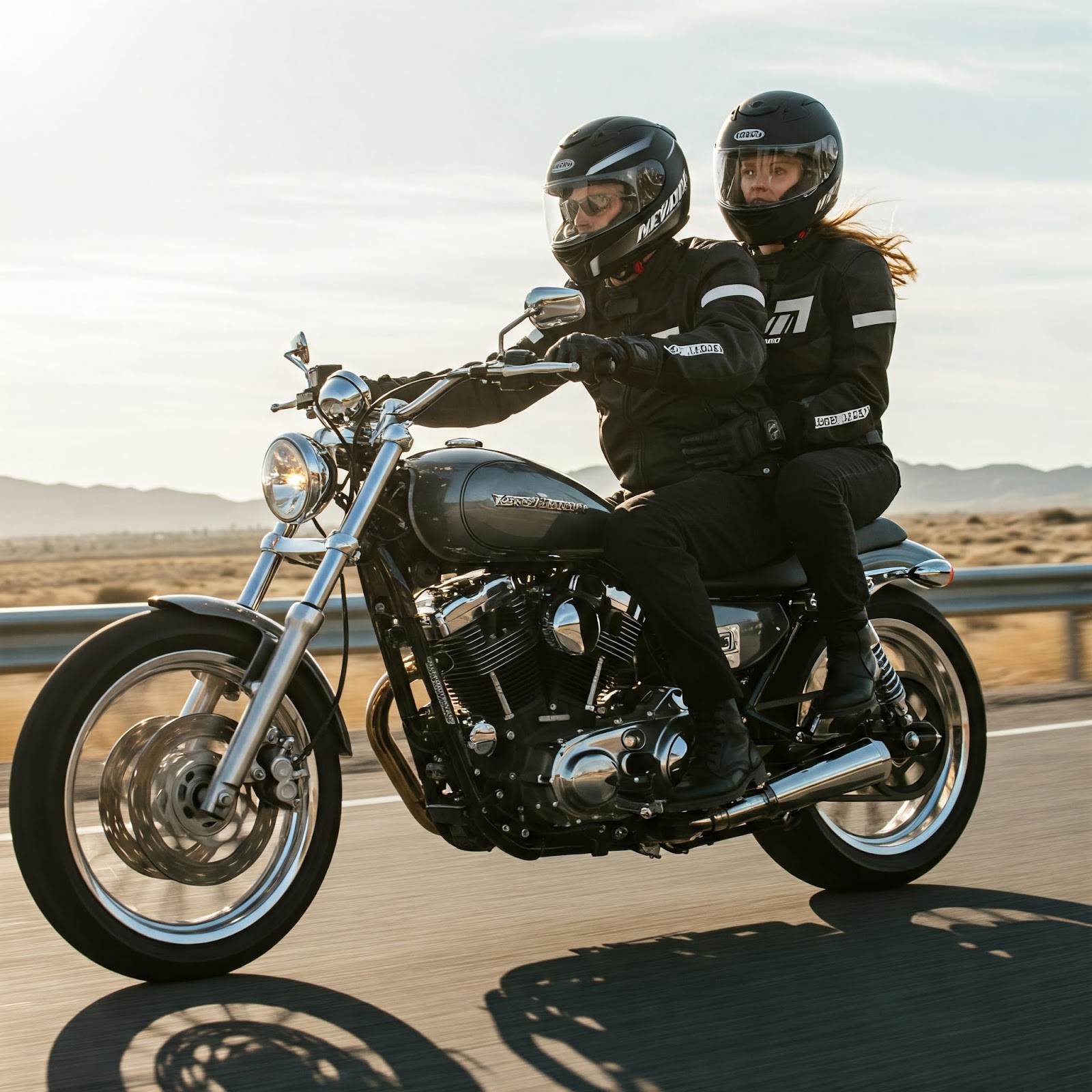
There is no such thing as a quick ride that doesn’t require proper gear. Road rash from even a low-speed fall can be severe, and head injuries from crashes without helmets are often fatal or permanently disabling. Yet riders still make the mistake of skipping helmets, gloves, jackets, and boots for short trips.
Ready to register your vehicle?
Join thousands of vehicle owners who use Montana Motorcycle Safety Foundation to handle their registration quickly.
Get started today. →The ATGATT principle — All The Gear, All The Time — exists for a reason. Here’s a quick breakdown of essential protective gear:
| Gear Item | Why It Matters | Minimum Standard |
|---|---|---|
| Helmet | Prevents fatal head trauma | DOT or ECE 22.06 certified |
| Jacket | Protects skin and organs during a slide | CE Level 1 or 2 armor at shoulders and elbows |
| Gloves | Hands hit the ground first in a fall | Abrasion-resistant leather or textile |
| Boots | Protects ankles and feet | Over-the-ankle, oil-resistant sole |
| Pants | Prevents leg road rash and injury | Reinforced textile or leather with knee armor |
If you’re riding in Montana’s unpredictable climate, layering is also critical. Winter riding introduces its own set of hazards — check out our winter motorbike riding tips for gear recommendations specific to cold-weather riding.
3. Riding Without a License or Valid Registration
This one surprises some riders, but it’s more common than you’d think — especially when someone buys a used bike and hits the road before completing the paperwork. Riding without a valid motorcycle endorsement or with an unregistered vehicle exposes you to fines, impoundment, and serious complications if you’re involved in an accident.
Getting your license the right way matters. Our guide on using a motorcycle course to get your license explains how completing an approved safety course can waive the DMV riding test in many states, streamlining the process significantly.
Similarly, if you’ve purchased a used bike, understanding the second-hand bike registration process ensures you’re legal before you ride. Montana, in particular, has specific title transfer requirements that must be completed properly to avoid issues down the line.
4. Overconfidence and Riding Beyond Your Skill Level
New riders often underestimate how much skill motorcycling requires. But overconfidence isn’t limited to beginners — experienced riders fall into this trap too, especially on unfamiliar roads or after upgrading to a more powerful bike.
Common overconfidence mistakes include:
- Entering corners too fast and running wide
- Following too closely behind vehicles (tailgating)
- Choosing high-traffic or winding routes before mastering basic control
- Upgrading to a high-performance bike too soon
- Riding in challenging weather without experience in those conditions
The fix? Honest self-assessment. Ride within your limits, and expand those limits gradually through practice in controlled environments. If you’re curious about why motorcyclists tend to speed, our article explores the psychology behind this habit — and why managing it matters for your safety.
5. Poor Situational Awareness and Lane Positioning
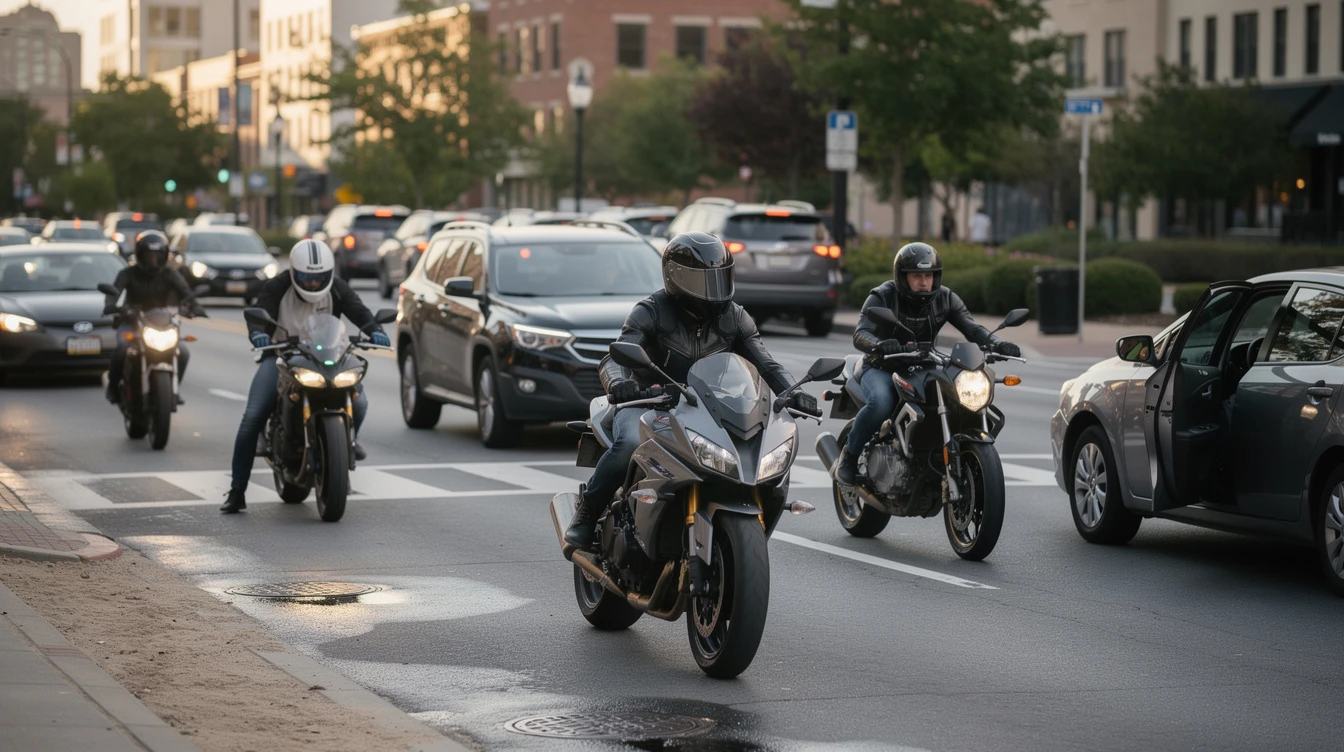
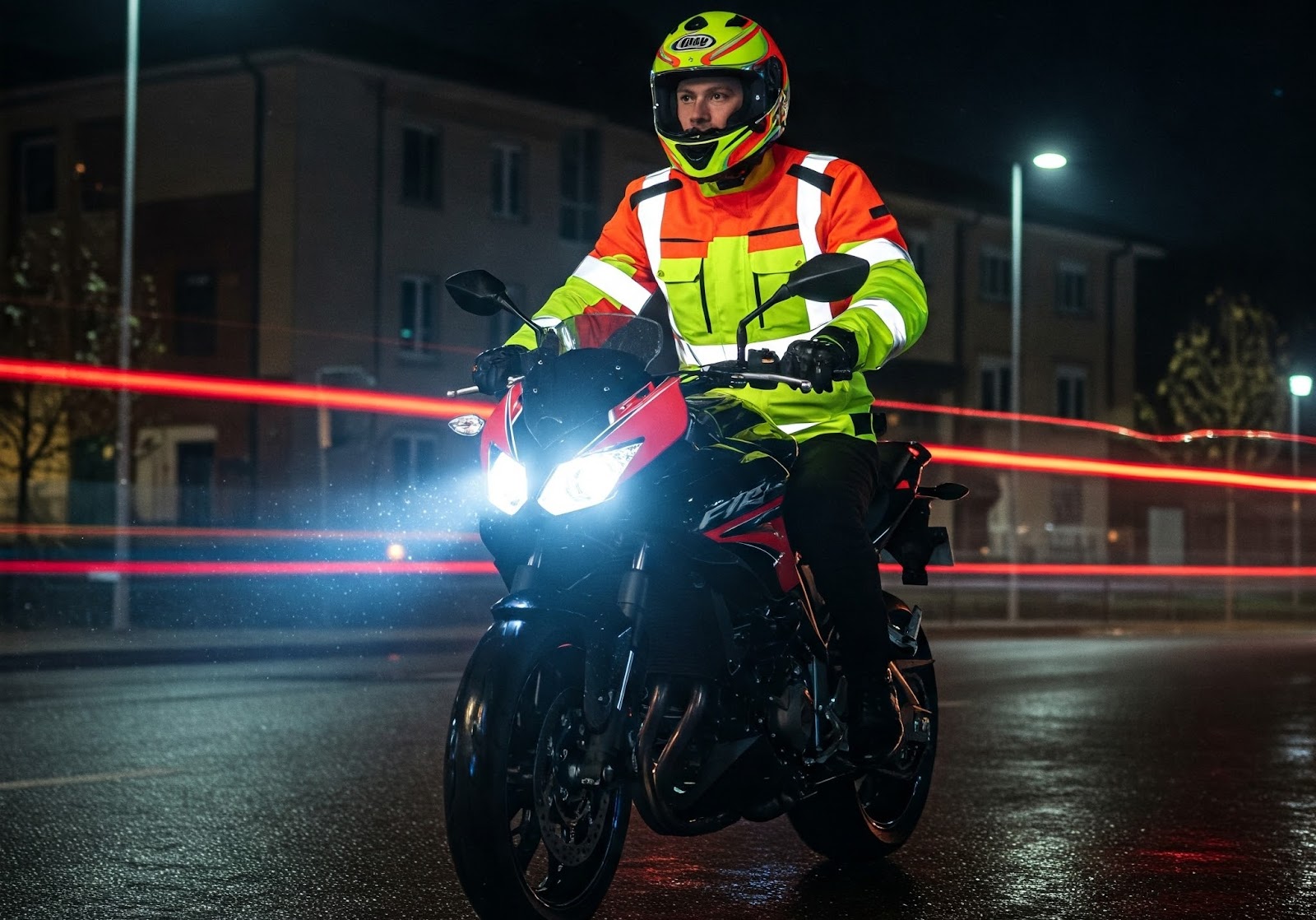
Motorcyclists are significantly less visible than cars. Drivers in larger vehicles frequently fail to see motorcycles, especially in blind spots or when making left turns at intersections. Poor lane positioning compounds this problem — riding in the center of a lane, for example, puts you directly in the path of road debris and reduces your visibility to other drivers.
Best practices for lane positioning include:
- Ride in the left third of your lane on most roads — this gives you the best visibility and keeps you out of the oily center strip.
- Increase following distance to at least 3–4 seconds behind the vehicle ahead.
- Scan intersections early — most motorcycle-car collisions happen at intersections where a car turns left in front of a bike.
- Be predictable — use signals, avoid weaving, and don’t linger in blind spots.
- Watch for road hazards — sand, gravel, wet leaves, railroad tracks, and potholes affect motorcycles far more severely than cars.
6. Ignoring Pre-Ride Inspections
A motorcycle has far fewer redundancies than a car. A blown tire at highway speed or a sudden brake failure isn’t just inconvenient — it can be catastrophic. Yet many riders skip the pre-ride inspection entirely, especially on quick trips or familiar routes.
Use the T-CLOCS checklist before every ride:
- T — Tires and wheels (pressure, tread depth, cracks)
- C — Controls (levers, cables, throttle response)
- L — Lights and electrics (headlight, brake light, turn signals)
- O — Oil and fluids (engine oil, brake fluid, coolant)
- C — Chassis (frame, suspension, chain tension)
- S — Stands (side stand, center stand operation)
This five-minute habit can catch problems before they become emergencies. Newer bikes with advanced technology — including those with assist and slipper clutch systems — still require this basic mechanical check regardless of their electronic safety aids.
7. Braking Incorrectly in an Emergency
In a panic stop, most novice riders either grab the front brake too hard (causing a front wheel lockup and crash) or rely too heavily on the rear brake (which offers far less stopping power). Proper emergency braking is a skill that must be practiced deliberately — it won’t come naturally under pressure unless you’ve drilled it repeatedly.
Key braking principles:
- The front brake provides approximately 70–80% of stopping power on most motorcycles
- Apply both brakes simultaneously, progressively increasing pressure
- On bikes without ABS, avoid locking either wheel — a locked rear tire can be managed; a locked front tire is extremely dangerous
- Practice emergency stops in empty parking lots at increasing speeds
ABS-equipped motorcycles significantly reduce the risk of lockup and are now standard on many new models. If your bike doesn’t have ABS, extra practice is essential.
8. Riding Impaired or Fatigued
Alcohol and drugs impair the judgment, coordination, and reaction time that motorcycling demands at every moment. According to NHTSA data, alcohol involvement in fatal motorcycle crashes remains disproportionately high compared to other vehicle types. Fatigue has a similar effect — drowsiness slows reaction time and reduces the situational awareness needed to ride safely.
Practical rules to follow:
- Never ride after drinking alcohol or using any impairing substance
- Plan long trips with breaks every 90–120 minutes
- Stop immediately if you feel drowsy — even a 20-minute rest can be life-saving
- Avoid riding late at night if you’re not accustomed to it — reduced visibility and increased fatigue combine dangerously
9. Neglecting Motorcycle Insurance Requirements
Riding without adequate insurance isn’t just a legal violation — it’s a financial catastrophe waiting to happen. A single accident can result in medical bills, liability claims, and vehicle replacement costs that can run into the hundreds of thousands of dollars.
Montana has specific insurance requirements for motorcycle riders that all operators must meet. Understanding those requirements before you ride protects you legally and financially. Our detailed overview of Montana motorcycle insurance requirements covers the minimum liability limits, what they cover, and why many riders choose to carry more than the state minimum.
If you’re shopping for coverage or comparing options, our guide to motorcycle insurance in Montana can help you make an informed decision.
10. Not Planning for Passengers Safely
Carrying a passenger — also called a pillion rider — changes everything about how a motorcycle handles. The added weight shifts the center of gravity, increases stopping distance, and requires adjustments to suspension settings, tire pressure, and throttle control. Many riders make the mistake of putting a passenger on before they’re ready for it — either because they lack experience or because they haven’t prepared the bike properly.
Before riding two-up:
- Make sure your license endorsement permits carrying passengers (some learner permits do not)
- Brief your passenger on how to hold on, where to put their feet, and how to lean with the bike
- Adjust rear suspension preload and tire pressure to accommodate the extra weight
- Ride more conservatively — increase following distance and reduce speed in corners
- Choose a bike designed for two-up comfort and capability
If you’re considering what motorcycle works best for longer rides with a passenger, our guide to which bike is best for pillion comfort offers practical recommendations across multiple categories and budgets.
Frequently Asked Questions
What is the most dangerous mistake a beginner motorcycle rider can make?
Riding without proper training is typically the most dangerous mistake beginners make. Without formal instruction, new riders lack the muscle memory and hazard recognition skills needed to respond correctly in emergency situations. Enrolling in an MSF-approved course before riding on public roads dramatically reduces crash risk.
How often should I do a pre-ride inspection on my motorcycle?
You should perform a pre-ride inspection before every single ride, even short ones. The T-CLOCS checklist takes about five minutes and can identify issues — like low tire pressure, brake fluid levels, or loose chain tension — that could cause a crash if left unchecked.
Is it legal to ride a motorcycle without insurance in Montana?
No. Montana requires all motorcycle operators to carry a minimum level of liability insurance. Riding uninsured can result in fines, license suspension, and leaves you personally liable for damages if you cause an accident. Review Montana’s current minimums before riding.
How can I improve my emergency braking skills?
The best way to improve emergency braking is deliberate practice in a controlled, traffic-free environment like an empty parking lot. Practice at progressively higher speeds, focusing on applying both brakes simultaneously and smoothly increasing pressure. Many motorcycle safety courses include emergency braking drills as part of their curriculum.
Does riding with a passenger require a special license in Montana?
In most cases, a standard Montana motorcycle endorsement permits carrying a passenger, but riders on a restricted or learner’s permit may not be allowed to carry passengers. Always verify your specific endorsement conditions with the Montana DMV before riding two-up.
Can taking a motorcycle safety course lower my insurance premiums?
Yes — many insurance providers offer discounts to riders who complete an approved motorcycle safety course. The discount varies by insurer, but completing an MSF course is worth checking with your provider as it can save meaningful money on annual premiums while making you a safer rider.
Support Safe Riding in Montana
At MTMC Foundation, we’re committed to promoting motorcycle safety, rider education, and community well-being across Montana and beyond. Avoiding the 10 common mistakes when riding a motorcycle starts with knowledge — and knowledge starts with community support.
When you support the MTMC Foundation, you help fund rider education programs, safety awareness initiatives, and resources that keep Montana’s riding community informed and protected. Every contribution makes a difference.
Support Our Mission at MTMC Foundation — because safer riders make better communities.