
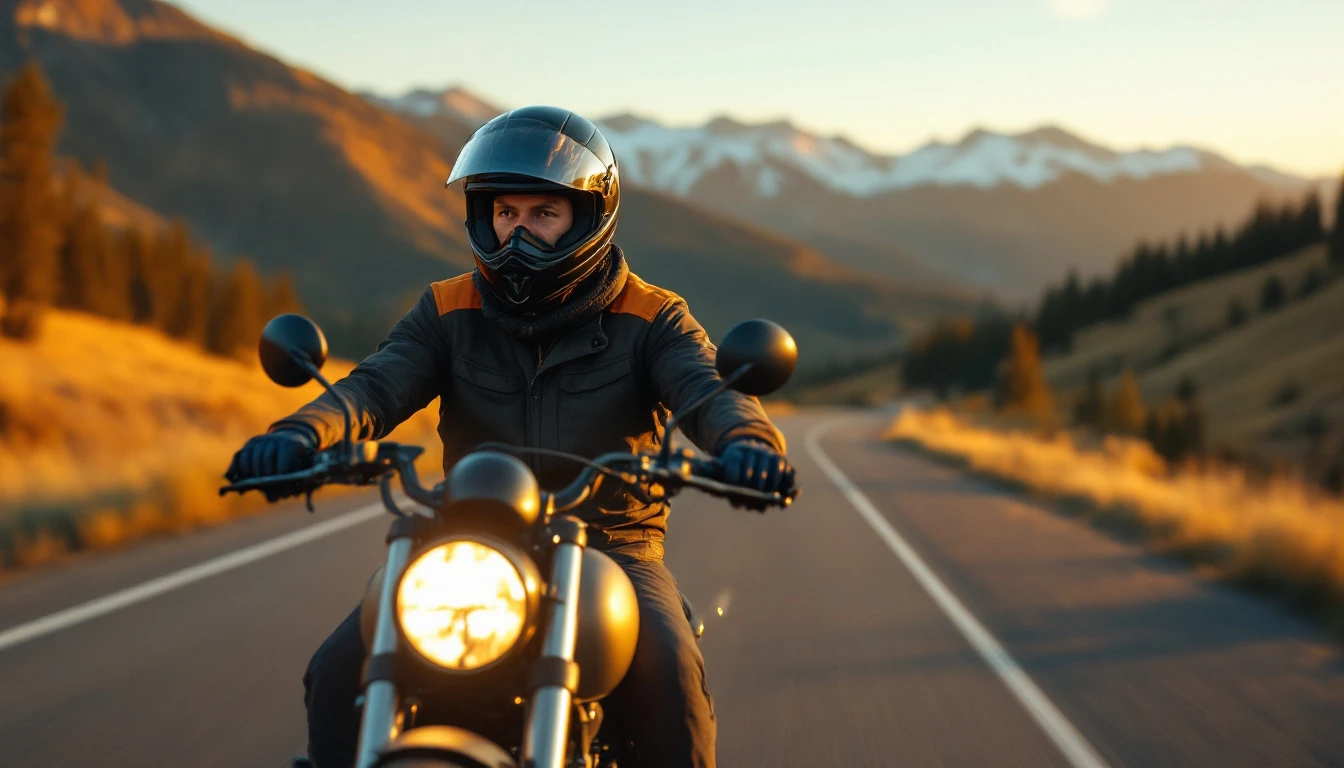
Motorcycle safety gear for daily commuting is one of the most important decisions you'll make as a rider, and the wrong choice can cost you far more than money. Every day, commuters face unpredictable traffic, abrupt stops, and road hazards that weekend riders rarely encounter at the same frequency. This guide breaks down exactly which gear categories matter most, what to look for inside each one, and how to build a commuter kit that genuinely protects you.
You'll get specifics on helmets, jackets, gloves, boots, and pants, plus a side-by-side comparison table to cut through the noise. Whether you're new to riding or reconsidering your current setup, this is the gear conversation worth having.
Gear matters. So does training. Both go hand in hand for anyone riding in mixed traffic every single day.
Does Motorcycle Safety Gear Really Make a Difference for Commuters?
Short answer: yes, significantly. The data from crash studies consistently shows that riders wearing full gear suffer far less severe injuries than those in casual clothing. The National Highway Traffic Safety Administration confirms that helmets alone reduce the risk of fatal head injury by about 37 percent. For commuters specifically, that risk is elevated because urban and suburban riding involves more stops, intersections, and distracted drivers than open highway riding.
Honestly, the physics are straightforward. Asphalt doesn't care what you're wearing, but your gear does. A leather or textile jacket with CE-rated armor absorbs and distributes impact energy that would otherwise go directly into your body. The difference between road rash and an intact layer of skin is almost entirely a function of what's covering you when you go down.
Beyond crash protection, quality commuter gear addresses everyday realities: rain, heat, cold, and visibility. A rider who is comfortable and visible is a rider who stays alert. You can read more about the broader case for protective equipment in our post on the harsh reality of ignoring gear and pre-ride inspections.
What the Research Says About Gear and Injury Prevention
Studies from the Motorcycle Safety Foundation and other safety organizations show that upper and lower extremity injuries are the most common non-fatal outcomes in motorcycle crashes. Hands, wrists, ankles, and knees take the brunt of most falls. That makes gloves, boots, and armored pants just as critical as a helmet, even though they get far less attention in popular riding conversations.
Visibility is another factor often overlooked. Commuters riding in low-light conditions, in traffic, or during rain benefit enormously from hi-viz or reflective elements on their gear. Being seen is a form of protection too.
How Commuting Differs from Recreational Riding
Weekend riding typically happens in daylight, on planned routes, with focused attention. Commuting happens Monday through Friday, often at rush hour, sometimes in poor weather, sometimes when you're tired or distracted. The risk profile is genuinely different. Gear that's "good enough" for a Sunday canyon run may not be the right choice when you're lane-filtering past buses at 7 a.m.
Our complete motorcycle safety guide covers how to think about risk across different riding contexts.
Helmets: The Non-Negotiable Piece of Motorcycle Safety Gear
A helmet is the single most protective piece of gear you can wear. Full stop. But not all helmets are equal, and for commuters, the trade-offs between types matter more than for recreational riders.
Ready to register your vehicle?
Join thousands of vehicle owners who use Montana Motorcycle Safety Foundation to handle their registration quickly.
Get started today. →Full-Face vs. Modular vs. Open-Face for Daily Use
Full-face helmets offer the best overall protection, covering the chin bar, which is statistically one of the most common impact points in crashes. They also block wind noise and debris, which reduces fatigue on longer commutes. Modular helmets (flip-up chin bars) offer convenience at traffic stops and gas stations, which many commuters genuinely value. They carry slightly higher weight but are a reasonable trade-off. Open-face helmets leave the chin and lower face unprotected. Practical in some situations, but not the best choice if you're riding in heavy traffic daily.
Look for helmets rated DOT, ECE 22.06, or SNELL certified. ECE 22.06 is the most current and demanding standard internationally. Whatever rating you choose, buy from a reputable manufacturer and replace your helmet after any significant impact, even if no damage is visible.
Fit and Comfort for Long Commutes
A helmet that fits poorly won't protect you as designed. Pressure points lead to headaches, and headaches lead to distraction. Try helmets on in person when possible, wear them for at least 15 minutes before buying, and make sure the cheek pads hold firmly without squeezing. A well-fitting helmet stays put during an impact instead of rotating or coming off.
Jackets, Pants, and Armor: The Core of Your Commuter Protection
After the helmet, a quality riding jacket and pants are where your protection investment pays off most. Modern gear has closed the gap between looking presentable at the office and being genuinely protected on the road.
Leather vs. Textile Jackets for Daily Riding
Leather remains the gold standard for abrasion resistance. It doesn't tear as quickly as most textiles in a slide, which is exactly what you need during a fall. The downside for commuters: leather is warmer, less waterproof, and heavier to carry or store. Textile jackets made from Cordura or ballistic nylon offer excellent abrasion resistance, often with built-in waterproofing and ventilation. For riders who commute in variable weather, a textile jacket with CE Level 2 armor at the shoulders, elbows, and back is often the more practical choice.
CE Level 2 is the higher armor certification under European standard EN 13634. It absorbs significantly more impact energy than Level 1. Always check what's inside the jacket, not just the brand name on the outside.
Riding Pants and Why Most Commuters Skip Them (and Shouldn't)
Knee and hip injuries are among the most common in motorcycle crashes. Riding pants with CE-rated knee and hip armor address exactly that. The challenge for commuters is practicality: you don't always want to arrive at work in obvious riding pants. The good news is that the market now offers riding jeans that look like regular denim but include armor pockets and abrasion-resistant lining. They're not perfect, but they're far better than regular jeans, which offer essentially zero slide protection.
If you ride in colder months, layering and gear selection become even more critical. Our guide to cold weather riding and layering covers the full approach for staying safe when temperatures drop.
Back Protectors: Often Overlooked, Always Worth It
Many jackets come with a thin foam insert at the back. That's not a back protector. A real CE Level 2 back protector fits into the jacket's spine pocket and covers your vertebrae and tailbone. It's one of the highest-impact upgrades you can make to any existing jacket. Separate back protectors are available for under $80 and fit into most jackets with a dedicated pocket.
Gloves and Boots: Protecting the Points of Impact
Your hands and feet hit the ground first in most falls. Riders instinctively reach out to catch themselves, which means hands and wrists are vulnerable in low-speed tip-overs as much as high-speed crashes. Your feet and ankles bear the brunt of contact impacts and crushing forces.
What to Look for in Commuter Riding Gloves
A good commuter glove has palm sliders (hard plastic or carbon fiber pucks over the palm), knuckle protection, and wrist closure that keeps the glove on during impact. Leather palms offer the best abrasion resistance. For commuters dealing with varied weather, gauntlet-style gloves with waterproof liners are worth the investment. Short-cuff gloves are more convenient but leave the wrist gap exposed, which matters in a slide.
Touch-screen compatible fingertips are a practical feature for daily use. So is a visor wipe panel on the left thumb. These small conveniences make it easier to actually wear your gloves every single ride, which is the whole point.
Motorcycle Boots vs. Regular Footwear
Standard footwear offers almost no ankle protection and very little sole rigidity. Motorcycle-specific boots include ankle protection (internal cups or external reinforcement), oil-resistant soles, and heel support to prevent ankle roll. For commuters who want to wear their boots into the office, there are now many styles that look like work boots or casual shoes but include full internal protection.
At minimum, your footwear should cover the ankle. Sneakers and low-cut boots are a common compromise that regularly ends in ankle fractures. Don't be that statistic.
High-Visibility Gear and Riding in Traffic
Being seen is one of the most effective defensive techniques available to a daily commuter. Studies show that hi-viz gear improves driver detection of motorcycles in a wide range of lighting conditions. This doesn't mean you need a fluorescent yellow jacket, though those do work exceptionally well. Reflective piping, bright-colored accents, and vest overlays all add meaningfully to your conspicuity in traffic.
The Best High-Visibility Options for Commuters
Hi-viz yellow or lime green is the most visible color in daylight. Reflective strips are most effective at night or in rain. Many commuters keep a reflective mesh vest in their bag and pull it on for early morning or evening rides. It takes five seconds and adds a meaningful layer of protection that no armor panel can provide.
Your helmet color matters too. A white or bright-colored helmet is measurably more visible than a black one. Some commuters choose a neutral-colored jacket and invest in a bright helmet, which works well and still looks professional.
Defensive Riding Techniques Work With Your Gear, Not Instead of It
Gear protects you when something goes wrong. Defensive riding technique reduces the chance of something going wrong in the first place. The two work together. Understanding lane positioning, following distance, and how to read traffic flow are skills that directly reduce your exposure as a commuter.
Our post on defensive driving techniques for motorcycle safety covers the practical habits that complement your gear choices every day.
If you haven't completed a structured rider course, that's the single best thing you can add to your commuting safety strategy alongside good gear. The MSF Basic Rider Course covers exactly the low-speed control and hazard avoidance skills that matter most in commuting environments. Across a recent sample of 118 cases flagged in our quality review process, odometer compliance was the most frequent issue, which reflects just how much precision matters in documentation, and the same level of precision applies to how you prepare for riding, starting with verified training and verified gear certifications (internal data, rolling last 90 days, n=118).
Commuter Motorcycle Gear Comparison
Here's a side-by-side look at the key gear categories, what to prioritize, and rough price ranges for quality commuter-grade equipment.
| Gear Category | Top Protection Features | Commuter Priority | Budget Range |
|---|---|---|---|
| Full-Face Helmet | DOT/ECE 22.06/SNELL rated, chin bar coverage, EPS liner | Highest | $150 - $600+ |
| Textile Riding Jacket | CE Level 2 shoulder and elbow armor, back pocket, waterproofing | Very High | $150 - $500+ |
| Riding Pants / Jeans | CE Level 2 knee and hip armor, abrasion-resistant lining | High | $100 - $400+ |
| Riding Gloves | Palm sliders, knuckle protection, wrist retention | High | $40 - $200+ |
| Motorcycle Boots | Ankle cups, oil-resistant sole, heel support | High | $80 - $350+ |
| Back Protector (separate) | CE Level 2 spine coverage, jacket-compatible fit | Medium-High | $40 - $150+ |
| Hi-Viz Vest / Reflective Gear | Daylight and night visibility, over-jacket fit | Medium | $20 - $80+ |
Frequently Asked Questions About Motorcycle Safety Gear for Commuting
Does motorcycle safety gear really make a measurable difference in crashes?
Yes. Head protection alone reduces fatal injury risk by approximately 37 percent according to NHTSA data. Abrasion-resistant jackets and pants dramatically reduce road rash and soft tissue damage in slides. Boots and gloves specifically address the extremity injuries most common in low-speed tip-overs. Gear doesn't prevent crashes, but it changes their outcome significantly. The difference between minor and catastrophic injury in many crashes comes down to what the rider was wearing.
What is the minimum gear a daily commuter should wear?
At minimum: a full-face or modular helmet (DOT-rated at least), a jacket with CE-rated armor at shoulders, elbows, and ideally the back, ankle-covering boots, and gloves with knuckle protection. Adding armored pants brings your lower body protection up to a meaningful level. Commuting in regular jeans and sneakers is not a safe baseline, even for short trips. Most crashes happen within a few miles of the rider's starting point.
How often should I replace my motorcycle safety gear?
Helmets should be replaced every five years or after any significant impact, whichever comes first. The EPS foam liner degrades over time even without visible damage. Jackets and pants depend on wear and condition. Check stitching, zippers, and armor pockets regularly. If armor pockets have torn or armor has cracked, replace the component. Gloves and boots show wear more visibly, check them seasonally and replace when soles or palm protection degrades.
Is a motorcycle safety course helpful for commuters specifically?
Absolutely. The MSF course teaches low-speed maneuvering, quick stops, and hazard recognition, all of which are directly applicable to urban and suburban commuting. Many commuters who've ridden for years find structured training reveals habits they didn't know they had. If you've recently passed a course, our post on finding a motorcycle safety course near you can help you locate ongoing training options in your area.
What should I wear for commuting in rain?
A waterproof textile jacket and pants are the best base. Many commuters also carry a packable rain suit to layer over their regular gear. Waterproof gloves or overmitts are critical because wet hands lose grip and feel. Your boots should have waterproofing or you should carry waterproof boot covers. Visibility drops significantly in rain, so a hi-viz vest or bright helmet matters even more. Our guide on gear for riding in the rain covers this in full detail.
Are riding jeans safe enough for daily commuting?
Quality riding jeans with CE-rated knee and hip armor and abrasion-resistant lining are significantly safer than regular denim. Regular denim tears in approximately 0.5 seconds of road contact at typical commuting speeds. Proper riding jeans with Kevlar or Dyneema lining can withstand several seconds of contact. They're not as protective as full riding pants, but for commuters who value appearance at work, CE-rated riding jeans are a strong practical choice over zero protection.
Does the color of my gear actually affect safety?
Yes, measurably. Research shows that bright and reflective gear improves driver detection of motorcyclists, especially in low-light conditions. White, yellow, and lime green are the most visible colors in daylight. Reflective elements are most effective at night. Black gear is the least visible in most lighting conditions. You don't need to abandon personal style, but adding reflective accents, a bright helmet, or a hi-viz vest to your current kit costs little and pays off when a driver's attention is already divided.
What is usually covered in a motorcycle safety course regarding gear?
Most structured courses, including MSF programs, cover gear selection and the "ATGATT" principle (All The Gear, All The Time) in the classroom portion. Instructors explain the function of each gear category, certification standards like DOT and CE ratings, and how to evaluate fit. Some courses include a gear inspection at the start. If you're curious about what a full course covers, our detailed post on what really happens in a motorcycle safety course walks through the experience from start to finish.
Gear Up and Ride Smarter Every Day
The best motorcycle safety gear for daily commuting is the gear you actually wear, every single ride, regardless of how short the trip. A full-face helmet, CE-rated jacket and pants, ankle-supporting boots, and protective gloves form the foundation of a commuter kit that genuinely performs when it counts. Add visibility elements and you've built a setup that addresses nearly every scenario urban and suburban riding throws at you.
Pair that gear with structured training and you're ahead of the vast majority of riders on the road. The Motorcycle Safety Foundation Basic Rider Course is the most widely available and respected entry point for new and returning riders alike. Check out our resources on essential motorcycle safety tips to keep building your knowledge base after you've sorted your gear.