Montana safety on the road begins with a foundation of skills, proper protective equipment, and an awareness of unpredictable variables like wildlife and weather. By choosing the right training, such as a motorcycle safety course, and practicing defensive riding, you reduce your risk of incident significantly.
Training and Education Provide the Highest Safety Returns
Formal training is the most effective way to improve your safety on the road. The Motorcycle Safety Foundation Basic RiderCourse is a curriculum that introduces new riders to fundamental bike control, emergency braking, and hazard avoidance. In Montana, these programs are designed to help you understand your machine in a controlled environment before you face high-speed traffic. Motorcycle training acts as the primary barrier between a new rider and common roadway mistakes.
A motorcycle safety course covers essential topics such as clutch control, cornering techniques, and effective head checks. These courses usually span 15 to 20 hours of instruction, split between classroom theory and range time. By completing a motorcycle safety foundation ecourse, you earn the skills necessary to pass your riding test and obtain your motorcycle endorsement. Our team has successfully processed over 5,559 registration and document cases, providing us with a unique perspective on the importance of compliant and safe vehicle operation (internal data, lifetime through current month, n=5,559).
Ready to start your journey? We can help.Protective Gear Defines Your Outcome in an Incident
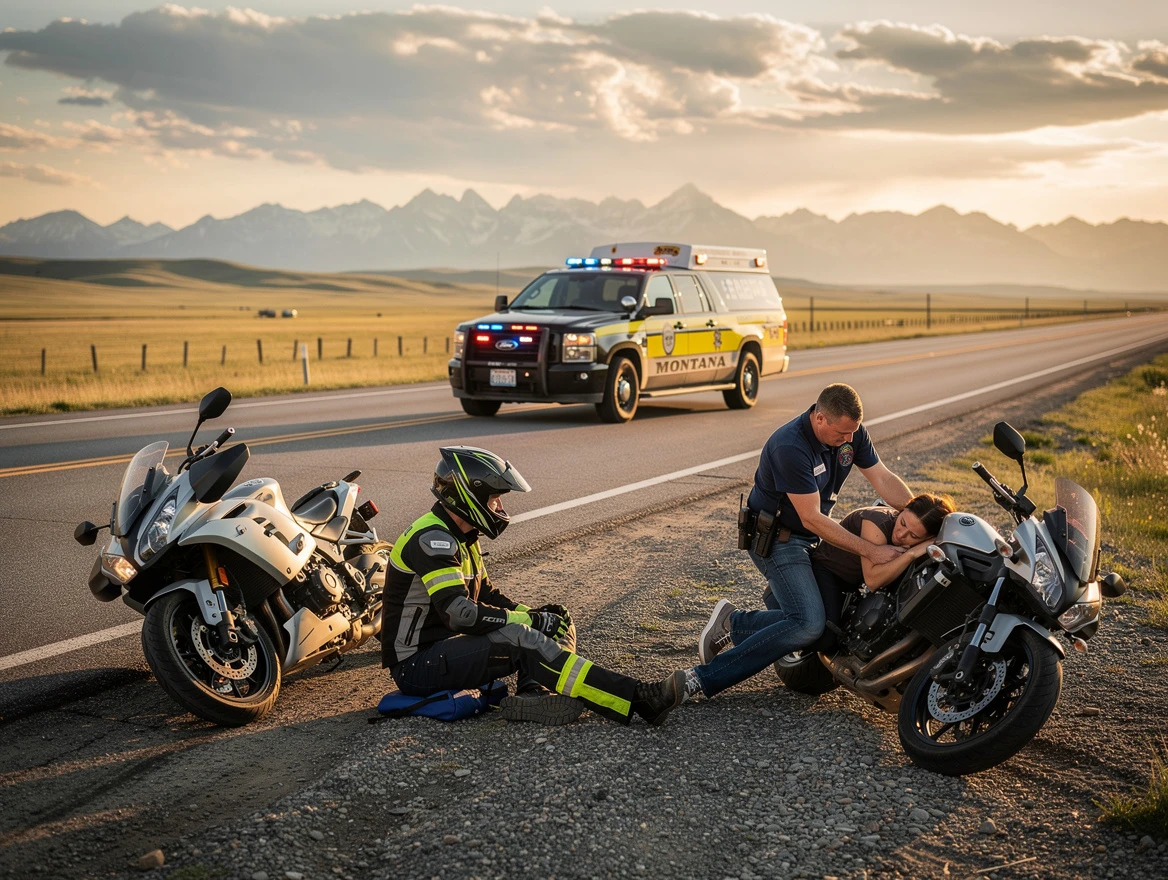
Proper protective gear is the primary defense against injury during a slide or collision. Helmets, jackets, gloves, and boots constructed from abrasion-resistant materials are non-negotiable for riders who value their long-term health. A helmet, defined as a protective head covering meeting DOT safety standards, is the single most important piece of gear you can purchase.
Ready to register your vehicle?
Join thousands of vehicle owners who use Montana Motorcycle Safety Foundation to handle their registration quickly.
Get started today. →| Gear Type | Primary Benefit | Suggested Material |
| Full-Face Helmet | Head & Face Protection | Polycarbonate or Carbon Fiber |
| Riding Jacket | Torso Protection | Leather or Textile with Armor |
| Riding Gloves | Hand Protection | Leather with Knuckle Guards |
| Boots | Ankle & Foot Protection | Reinforced Leather |
Dressing for the unexpected is a rule, not a suggestion. When you layer up, choose materials that breathe while remaining impact-resistant. Look for armor inserts at the shoulders, elbows, and back of your jacket, as these absorb kinetic energy during a crash. Investing in high-quality gear is an investment in your ability to keep riding.
Road Strategy and Defensive Riding Techniques
Defensive riding is the practice of positioning yourself to be seen and keeping an escape route open at all times. In Montana, this includes keeping a three-second following distance behind the vehicle in front of you. Skill vs. Road Strategy is an important distinction; while skill controls the bike, strategy keeps the bike out of danger zones entirely.
Scanning the road ahead is a technique where you look at least 12 seconds in front of your current position. This allows you to identify potholes, gravel patches, or wildlife crossing your path well before you reach them. Always assume that other drivers cannot see you, and keep your headlight on during daylight hours to increase your visual footprint.
Environmental factors also play a massive role in your strategy. Montana weather shifts rapidly, and asphalt temperatures can drop, reducing tire grip without warning. When the rain returns or the temperature falls, adjust your speed downward and increase your following distance to provide yourself with more time to react.
The Role of Vehicle Maintenance in Road Safety
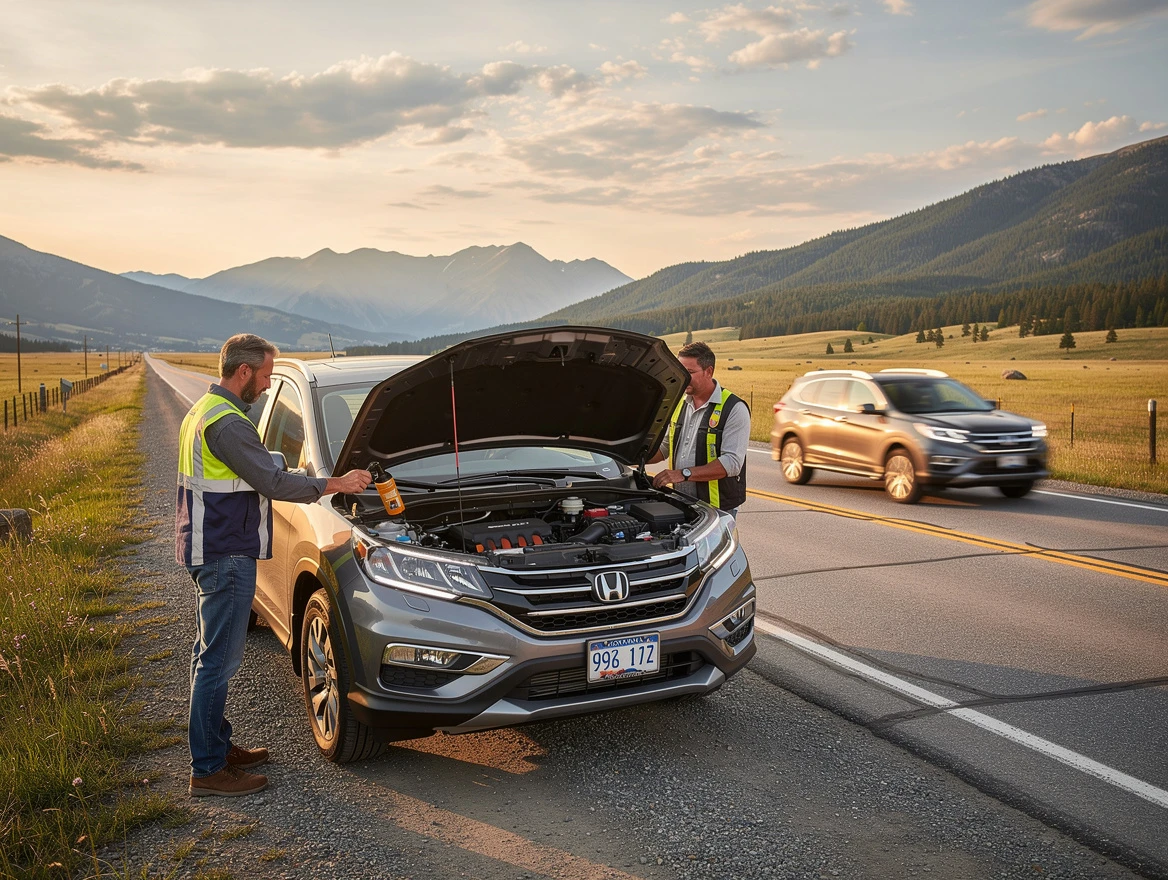
Routine maintenance ensures that your motorcycle responds exactly as you intend during an emergency. A pre-ride inspection, also known as a T-CLOCS check, is a standard procedure that stands for Tires, Controls, Lights, Oil, Chassis, and Stand. Inspecting your tire pressure is critical; even a 5 PSI drop can significantly change the way your bike handles in a corner.
Keep your braking system in peak condition by checking fluid levels and pad thickness at least every 3,000 miles. If your VIN lookup reveals a recall on your specific model, address it immediately through an authorized dealer. Neglecting basic mechanical care is a leading cause of preventable breakdowns that leave riders stranded on dangerous highway shoulders.
Frequently Asked Questions About Road Safety
What is the most effective way to improve my safety as a new rider?
The most effective way to improve safety is to complete an accredited motorcycle safety course. These courses provide a structured learning environment where instructors teach you how to handle emergency situations, perform low-speed maneuvers, and develop defensive riding habits that can save your life. Statistics show that riders who complete formal training are less likely to be involved in accidents than those who are self-taught or learn only from friends.
How far should I follow a car when riding my motorcycle?
You should maintain a minimum following distance of three seconds behind the vehicle in front of you at all times. To measure this, pick a stationary object on the side of the road, such as a sign or tree. When the rear bumper of the vehicle ahead passes that object, begin counting one thousand one, one thousand two, one thousand three. If you reach the object before finishing your count, you are following too closely and need to increase your distance.
Why is protective gear considered essential for every ride?
Protective gear is your only buffer against the road surface and other vehicles. While you may feel comfortable on a warm, short trip, an accident can occur in seconds, and road rash or impact injuries can be life-altering. Wearing a DOT-approved helmet, armored jacket, gloves, and boots provides protection that significantly reduces the severity of injuries if you go down, allowing you to walk away from incidents that would otherwise be catastrophic.
What should I look for during a pre-ride inspection?
A pre-ride inspection should follow the T-CLOCS system. Check that your tires have adequate tread and correct pressure, that your throttle and brake controls move smoothly without binding, that your headlight and turn signals function, that your oil levels are correct, that your chassis frame shows no cracks or loose bolts, and that your side stand retracts fully and securely. Performing this check every time you ride prevents mechanical failure on the road.
Ready to take the next step? We can help.