Motorcycle safety is achieved through a combination of professional rider training, the use of high-quality protective gear, and consistent vehicle maintenance. Mastering defensive riding techniques, staying visible to other motorists, and maintaining your machine are the three pillars of keeping riders safe on the road.
Get Started →Professional Training Increases Motorcycle Safety Outcomes
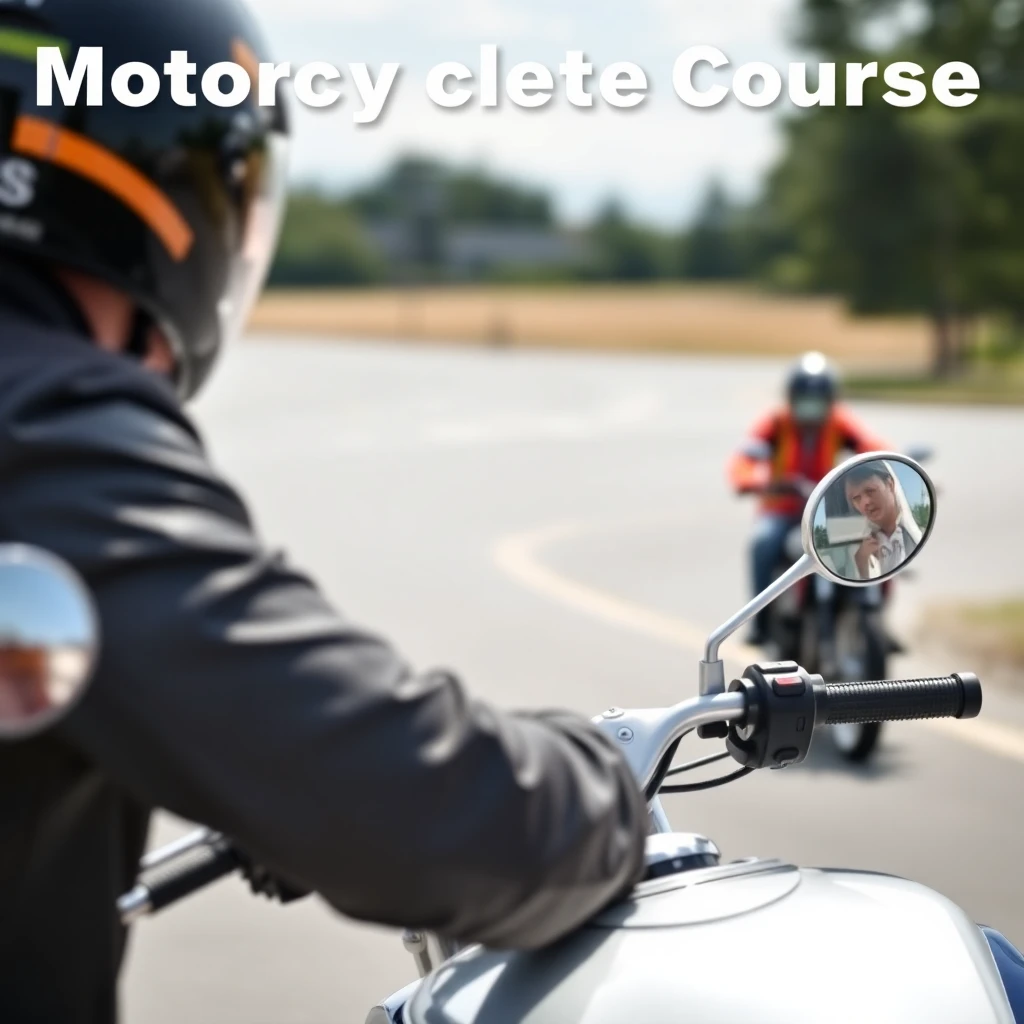
Attending a recognized training program is the most effective way to improve your reaction times and hazard recognition. These programs focus on real-world scenarios, teaching riders how to maneuver through emergency braking situations, work through tight turns, and scan the environment effectively.
Finding a Motorcycle Safety Course Near Me
To improve your confidence, you should look for a local program. A dps approved motorcycle safety course provides a structured environment where instructors can observe your form and provide immediate feedback. Many riders find that taking a refresher course every few years keeps their skills sharp regardless of how long they have been riding.
The Role of the Motorcycle Safety Foundation Basic Rider Course
The motorcycle safety foundation basic rider course serves as the gold standard for beginners. It introduces the fundamental controls of the motorcycle while emphasizing mental preparedness. Many states and insurance companies recognize this training, often resulting in lower insurance premiums for graduates.
Motorcycle Safety Course Online Options
While on-bike training is superior, a motorcycle safety course online can help you grasp the theory behind physics and road laws. The motorcycle safety foundation ecourse is a great starting point for those preparing for their riding assessment. This digital preparation ensures you understand the concepts before you ever touch the handlebars.
Essential Gear for Improved Motorcycle Safety
Your gear is your only protection in the event of a collision or slide. Investing in high-quality items is not just about comfort, it is about survival on the road.
Ready to register your vehicle?
Join thousands of vehicle owners who use Montana Motorcycle Safety Foundation to handle their registration quickly.
Get started today. →Helmets and Head Protection
A full-face helmet provides the best protection for your face and chin. Always look for certifications such as DOT or Snell to make sure the structural integrity meets modern standards. A helmet should fit snugly, without being painful, as loose helmets can shift during an impact.
Protective Apparel
Wear reinforced jackets, gloves, and boots designed for motorcycling. These items feature abrasion-resistant materials that protect your skin during a slide. High-visibility colors are also encouraged to help other drivers see you in low-light conditions or heavy traffic.
Need Help Getting Your Motorcycle Ready for the Road?
We provide registration assistance for your motorcycle so you can focus on training. See how we can help with your registration paperwork here.
Motorcycle Safety Requires Routine Maintenance
A safe motorcycle is a well-maintained one. If your machine fails mechanically, your safety is compromised regardless of your skill level. You should perform a T-CLOCS inspection before every ride.
The T-CLOCS Inspection Method
T-CLOCS stands for Tires, Controls, Lights, Oil, Chassis, and Stand. Inspecting your tires for proper pressure and tread depth is critical for handling. Check that your clutch and throttle cables operate smoothly without binding. Verify that your brake fluid levels are correct and that all lights are functioning as intended.
Checking for Recalls
Manufacturers occasionally issue recalls for safety-related defects. You should periodically check your bike's status using the NHTSA VIN Lookup to confirm there are no outstanding safety issues with your specific model. Addressing these recalls promptly is a simple way to maintain the integrity of your motorcycle.
| Item | Purpose | Frequency |
|---|---|---|
| Tires | Grip and Stability | Before every ride |
| Brakes | Stopping Power | Weekly |
| Lights | Visibility | Before every ride |
| Oil/Fluids | Engine Health | Monthly |
Defensive Riding and Awareness
Awareness is your primary defense against accidents caused by other drivers. You must assume that you are invisible to other motorists and position yourself accordingly.
Managing Your Road Position
Position yourself in the lane where you have the best view of the road ahead and the most room to escape if a car turns in front of you. Avoid blind spots whenever possible and keep a generous cushion between your front tire and the rear bumper of the vehicle ahead.
Handling Intersections
Intersections are statistically the most dangerous places for motorcyclists. Approach them with caution, cover your brake levers, and watch for oncoming vehicles turning left across your path. Never assume a driver sees you just because you have the right of way.
Frequently Asked Questions About Motorcycle Safety
How often should I take a motorcycle safety course?
We suggest taking a refresher course every 2 to 3 years. This keeps your skills current and introduces you to new techniques that you might have forgotten over time. It is a productive way to make sure your muscle memory remains sharp for emergency situations.
Are there free motorcycle safety courses?
Yes, some states offer programs like the pa free motorcycle safety course for residents. Check your local state motor vehicle division website to see if your area offers subsidized training options for new or experienced riders.
What is the most important piece of safety gear?
A certified, well-fitting helmet is the most critical item. Head injuries are the leading cause of fatalities in motorcycle accidents, and a high-quality helmet significantly reduces the risk of severe trauma during a fall.
How can I stay safer during motorcycle safety awareness month?
During May, which is typically recognized as motorcycle safety awareness month, focus on increasing your visibility. Use brighter gear, keep your high beams on during the day if legal in your jurisdiction, and participate in community awareness events to remind other drivers to look for motorcycles.
Does an online course replace in-person training?
No, an online course cannot replace the hands-on experience of learning to handle a motorcycle in a controlled environment. However, it is an excellent supplement to in-person training, helping you understand the theory and safety laws before you start riding.
What is a dps approved motorcycle safety course?
This is a training program that meets the specific curriculum requirements set by the Department of Public Safety in your state. Completing these programs often provides benefits like license test waivers or lower insurance premiums.
Maintaining safety on two wheels is a life-long journey of skill refinement and vigilance. By committing to continuous training, wearing the right gear, and ensuring your bike is always in top condition, you set the foundation for a lifetime of riding. Start your registration today with our expert support for your motorcycle and powersports equipment.