You've been thinking about it for a while. Maybe a friend keeps telling you to just sign up already. Maybe you bought a bike and realized, somewhere between the parking lot and the first real road, that you're not quite as confident as you thought. Whatever brought you here, the idea of a motorcycle safety course is sitting in the back of your mind, and you want to know if it's actually worth your time.
The short answer is yes, it absolutely is. But let's talk about why, and what the experience actually looks like, because "take a safety course" is advice that gets tossed around without much context. You deserve more than a generic recommendation.
Here at the MTMC Foundation, our mission is built around rider education and community safety, particularly across Montana. So this topic is close to our hearts, and we want to give you a real, honest picture of what formal motorcycle training involves.
Why Formal Training Changes More Than Your Riding
There's a version of learning to ride that a lot of people go through: a friend or family member shows them the basics in an empty lot, and they figure out the rest as they go. That approach works, sort of, but it also leaves gaps. Big ones. Things like how to brake quickly without locking up, how to set up a corner properly, how to spot hazards before they become emergencies. These aren't skills that come naturally. They're skills you build deliberately.
The Motorcycle Safety Foundation Basic Rider Course was designed to close exactly those gaps. It's a structured, nationally recognized program that takes you from the fundamentals through real riding exercises, with an experienced coach watching your form and giving you feedback in real time. The MSF program is offered through certified providers across the country, so whether you're searching for a motorcycle safety course near me in Montana or looking at Ohio motorcycle safety course locations across the country, the curriculum is consistent and trusted.
What surprises most new riders isn't the difficulty. It's how much they didn't know they didn't know. Proper clutch control, smooth throttle roll-on, emergency stopping distance. These things feel obvious in theory and genuinely challenging in practice. The course gives you a safe, low-stakes space to work through them.
If you want a deeper look at how rider training fits into Montana's specific requirements and endorsement process, the article Montana Motorcycle Training and Endorsement: How to Get Started walks through exactly that, including what state-level approval means for your license.
Curious how rider education fits our mission? See how we support riders across Montana.How the Course Actually Works, From Day One
Most versions of the Motorcycle Safety Foundation Basic Rider Course split into two parts. The first is classroom or online pre-work, where you cover the concepts: risk awareness, protective gear, riding posture, and decision-making on the road. The Motorcycle Safety Foundation eCourse is the digital version of this pre-work, and it lets you move at your own pace before you ever touch a bike.
Ready to register your vehicle?
Join thousands of vehicle owners who use Montana Motorcycle Safety Foundation to handle their registration quickly.
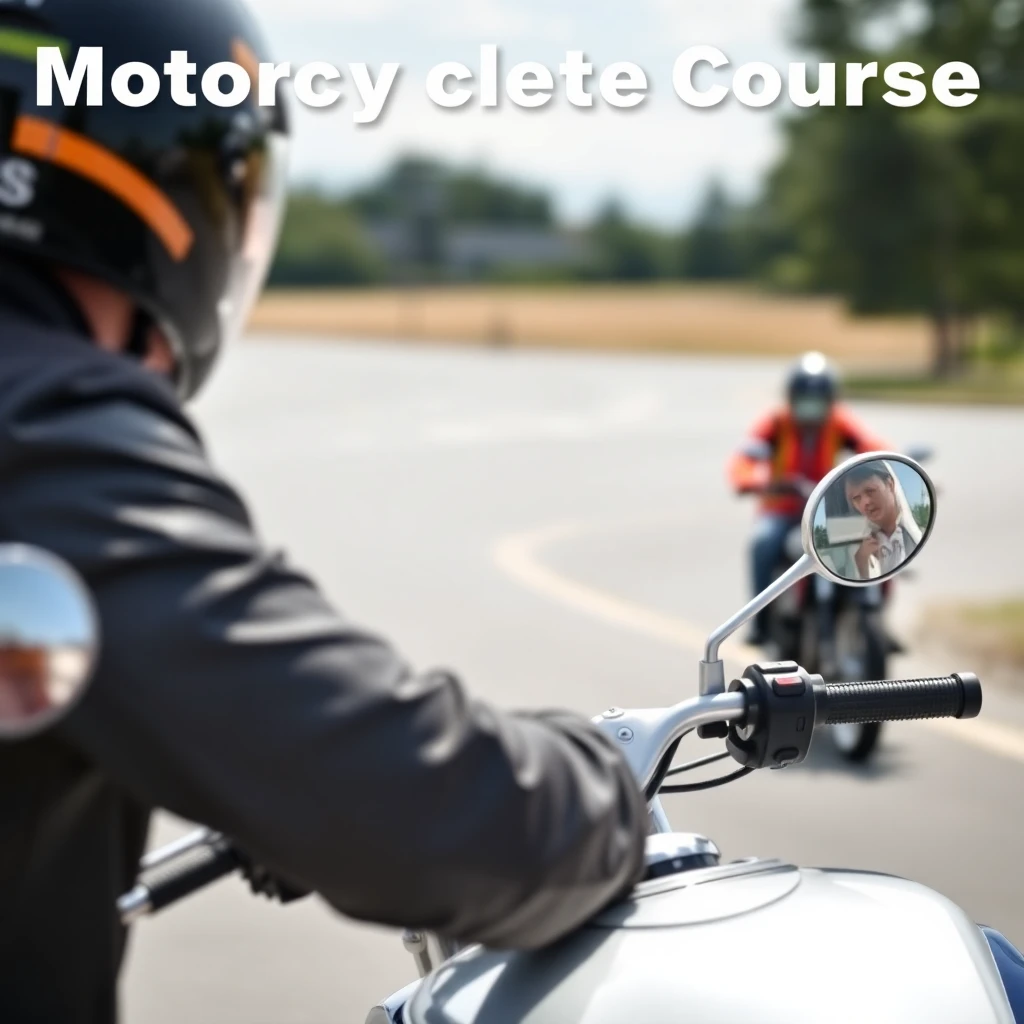
Get started today. →The second part is the range, and this is where things get real. You'll spend several hours on a closed course doing drills. Figure eights at low speed. Quick stops from 20 mph. Swerving around obstacles. These exercises sound simple but they reveal a lot about your instincts and habits. Coaches are there to correct technique gently and help you build muscle memory that will stick with you long after you leave the range.
Most states recognize successful completion of a DMV approved motorcycle safety course as a substitute for the riding skills test at the DMV. That means finishing the course can actually simplify your path to a full motorcycle endorsement. Some states sweeten the deal further. Pennsylvania, for example, has historically offered a PA free motorcycle safety course program for Eligibleing residents, and several states offer insurance discounts when you show proof of completion.
For riders who can't easily get to a physical location, a motorcycle safety course online can handle the knowledge portion. Just the range exercises always need to happen in person. There's no substitute for real bike time building physical skill.
Understanding the mistakes most riders make before they've had formal training is also worth your time. The post 10 Common Mistakes to Avoid When Riding a Motorcycle covers habits that formal training is specifically designed to correct.
The Details That Often Catch Riders Off Guard
Once you start looking for a course, a few things come up that riders don't always anticipate. First, availability. In rural states like Montana, you may need to plan ahead. Courses fill quickly in the spring and early summer when new riders are eager to get on the road. Searching for a DPS approved motorcycle safety course or a DMV approved motorcycle safety course near me will show you what's available in your area, but booking early is smart.
Second, gear. Most courses require that you show up with a helmet, eye protection, over-the-ankle boots, gloves, and long sleeves. Some providers loan helmets, but bringing your own is better. Getting comfortable in your own gear before the range sessions makes the exercises feel more natural.
Third, the bikes. Range courses typically provide motorcycles, often small-displacement bikes that are forgiving and easy to manage at low speeds. You won't need to trailer your own machine to the course unless the provider specifically allows it.
One thing worth knowing: completion cards from the MSF are accepted in many states as proof of training for insurance purposes. Check with your provider and your insurer to find out what discounts you might Eligible for. For newer riders, the savings can be meaningful.
"I came in thinking I already knew how to ride. By the end of day two, I realized how much the course had changed the way I think about every intersection." Rewrite using a comma, or split into two sentences. Never use em dash as a clause separator. A community member who completed the MSF Basic Rider Course in Montana
For riders who want to keep building after the basic course, the resource Progressive Motorcycle Training: Build Confidence and Control outlines how to continue improving your skills well beyond the beginner stage.
Bringing It Full Circle: Why This Matters Beyond the Certificate
A motorcycle safety course gives you something a license test alone never can: time on a bike with an expert watching. The certificate matters for your endorsement and possibly your insurance rate. But the real value lives in your hands and your reflexes, in the moments when something unexpected happens and your body knows what to do because you've already practiced it.
Riding is genuinely one of the most rewarding things you can do on two wheels. It's also one of the activities where preparation makes an enormous difference. The riders who invest in proper training early tend to carry better habits for life. They're more aware, more smooth, and more confident, not because they're braver, but because they're better prepared.
At the MTMC Foundation, we believe that every rider who completes a course is a safer presence on Montana roads and in their community. That's worth a weekend of your time and a small registration fee without question. If you want to know more about what training programs look like specifically in our state, the article The Startling Importance of Motorcycle Safety Courses in Montana is a great place to go next.
Quick Reference: MSF Basic Rider Course at a Glance
| Element | Details |
|---|---|
| Course Format | Online pre-work (eCourse) + in-person range sessions |
| Typical Duration | One classroom session + two range days (varies by state) |
| Bikes Provided | Yes, in most cases Rewrite using a comma, or split into two sentences. Never use em dash as a clause separator. small-displacement range bikes |
| DMV Waiver | Riding skills test waived in most states upon completion |
| Insurance Discount | Frequently available Rewrite using a comma, or split into two sentences. Never use em dash as a clause separator. check with your insurer |
| Free Options | Available in select states (e.g., PA free motorcycle safety course) |
| Online-Only Option | Knowledge portion only Rewrite using a comma, or split into two sentences. Never use em dash as a clause separator. range exercises always in person |
Frequently Asked Questions
What is the Motorcycle Safety Foundation Basic Rider Course?
The MSF Basic Rider Course is the most widely recognized entry-level motorcycle training program in the United States. It combines classroom or online knowledge work with in-person riding exercises on a closed range. Completing it typically waives the DMV riding skills test and may Eligible you for an insurance discount.
Can I take a motorcycle safety course online?
The knowledge portion is available online through the Motorcycle Safety Foundation eCourse. However, the hands-on range component always takes place in person. You can't earn a full course completion certificate without completing both parts.
How do I find a DPS or DMV approved motorcycle safety course near me?
Search the MSF's provider locator using your zip code, or contact your state's DMV or DPS directly. In Montana, you can also check with the Montana Motorcycle Safety Foundation for current course schedules and locations near you.
Does completing the course mean I don't need a riding test at the DMV?
In most states, yes. A completed DMV approved motorcycle safety course card is accepted in place of the practical riding exam at the DMV. Requirements vary by state, so confirm the specifics with your local motor vehicle office before your appointment.
Is there a free motorcycle safety course available?
Some states subsidize course costs for residents. Pennsylvania has historically offered a PA free motorcycle safety course program. Other states offer partial subsidies or voucher programs. Check your state's DMV or transportation department website for current funding availability.
How long does it take to complete the basic course?
Most Basic Rider Courses run over a weekend, typically one evening or day of classroom or online work followed by two days of range riding. Total seat time is usually around 15 hours. Some providers offer condensed formats, though these are less common.
Ready to support safer riding across Montana? Learn how the MTMC Foundation makes a difference.