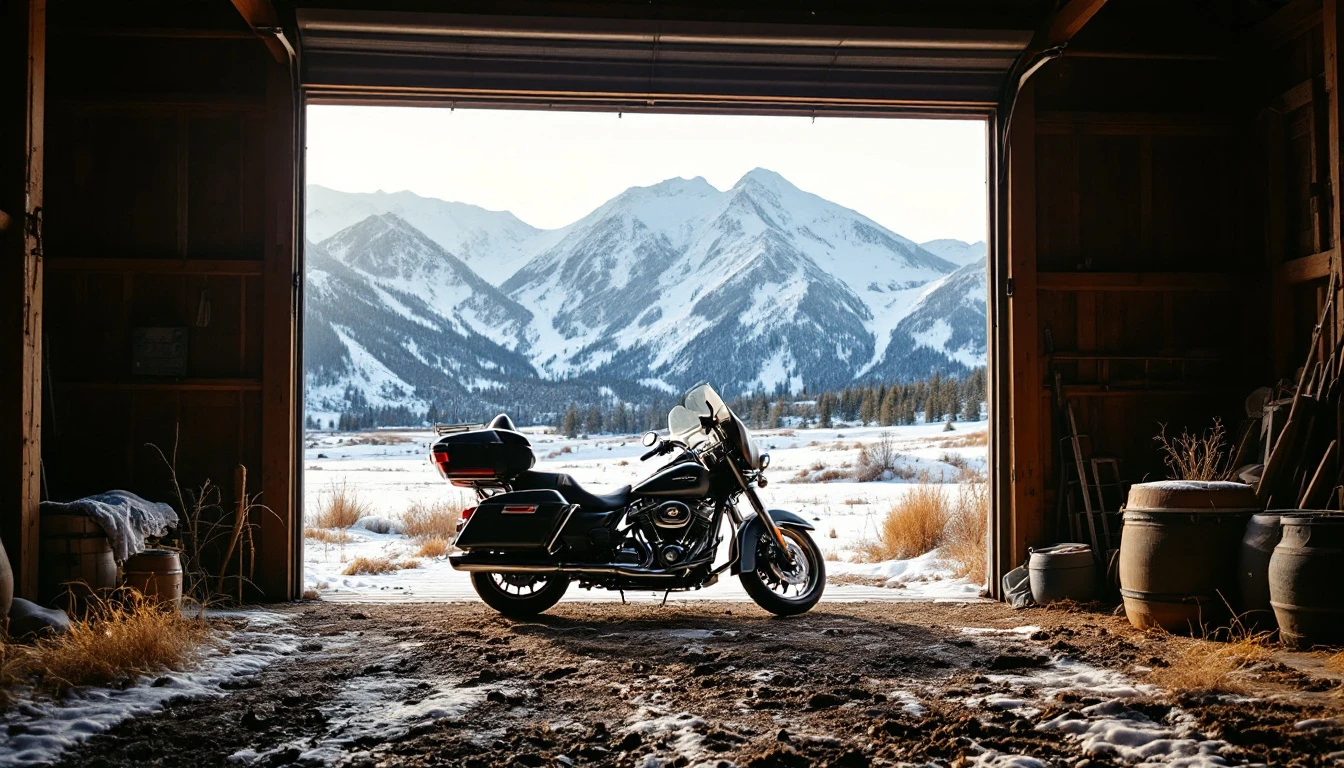
Riding through Montana's open roads offers unmatched freedom—but with that freedom comes responsibility. At the Montana Motorcycle Safety Foundation (MMSF), we believe that every ride should start with knowledge and end with safety.
Whether you're just starting or are a seasoned rider looking to refresh your skills, understanding the core factors that influence motorcycle safety is essential. Here's what matters most—and how you can act on it today.
1. Rider Education and Training
The most influential factor in motorcycle safety is rider training. Riders who complete a formal safety course are 50% less likely to be involved in a crash or suffer serious injury compared to untrained riders, according to the National Highway Traffic Safety Administration (NHTSA).
That's why MMSF offers a state-approved Montana motorcycle training program that goes far beyond the basics. Our hands-on courses provide new and returning riders with the practical skills and situational awareness needed for real-world riding.
If you're preparing for the Montana motorcycle permit test or aiming to upgrade to a full endorsement, enrolling in a certified motorcycle riding school in Montana should be your first step.
2. Licensing and Compliance
Compliance with motorcycle licensing laws in Montana is another cornerstone of safety. In 2022, nearly 30% of motorcyclists involved in fatal crashes were operating without a valid motorcycle license, according to the Insurance Institute for Highway Safety (IIHS).
Whether you're navigating the motorcycle skills test in Montana or applying for your first license, it's critical to follow all the required steps. MMSF helps riders understand and meet these requirements so they can ride confidently.
3. Road Awareness and Defensive Riding
Safe riding doesn't stop at licensure. Defensive riding—anticipating hazards, maintaining visibility, and staying alert—can dramatically reduce the likelihood of an accident. In fact, more than two-thirds of motorcycle collisions involve another vehicle violating the motorcyclist's right-of-way, according to the Motorcycle Safety Foundation (MSF).
Our training programs emphasize defensive strategies, equipping riders with the knowledge to navigate unpredictable situations and reduce risk on the road.
4. Equipment and Motorcycle Condition
Proper gear and maintenance can mean the difference between a close call and a catastrophe. Helmets alone reduce the risk of head injury by 69% and the risk of death by 37%, according to the Centers for Disease Control and Prevention (CDC).
At MMSF, we teach riders to inspect their motorcycle before each ride and to always wear full safety gear—including DOT-approved helmets, protective jackets, gloves, and boots. Maintaining your motorcycle's brakes, tires, and lights is also critical to safe riding.
5. Community and Continuing Education
Safety is a lifelong journey. Riders who engage with their community and continue learning tend to maintain safer habits and stay updated on best practices. That's why MMSF hosts local events, workshops, and advanced courses designed to keep riders connected and informed.
By participating in ongoing education and outreach, we collectively contribute to promoting motorcycle safety and building a safer ride together.
Build Safety Into Every Ride
The strongest influences on motorcycle safety—education, licensing, awareness, equipment, and community—are all within your control. Contact the Montana Motorcycle Safety Foundation to learn more about available courses, licensing requirements, and how to stay safe while enjoying Montana's incredible open roads.