What is usually covered in a motorcycle safety course is one of the most common questions new riders ask before signing up. The short answer: a lot more than most people expect. A properly structured course covers classroom theory, hands-on riding skills, hazard awareness, and street strategy, all packed into a weekend or a few evenings.
This guide walks through every major topic area so you know exactly what you're getting into before you show up. Whether you're a complete beginner or a returning rider looking to sharpen your skills, understanding the curriculum helps you get more out of every hour on the range.
Here's what the MSF Basic Rider Course and most state-approved programs actually teach, broken down by topic area.
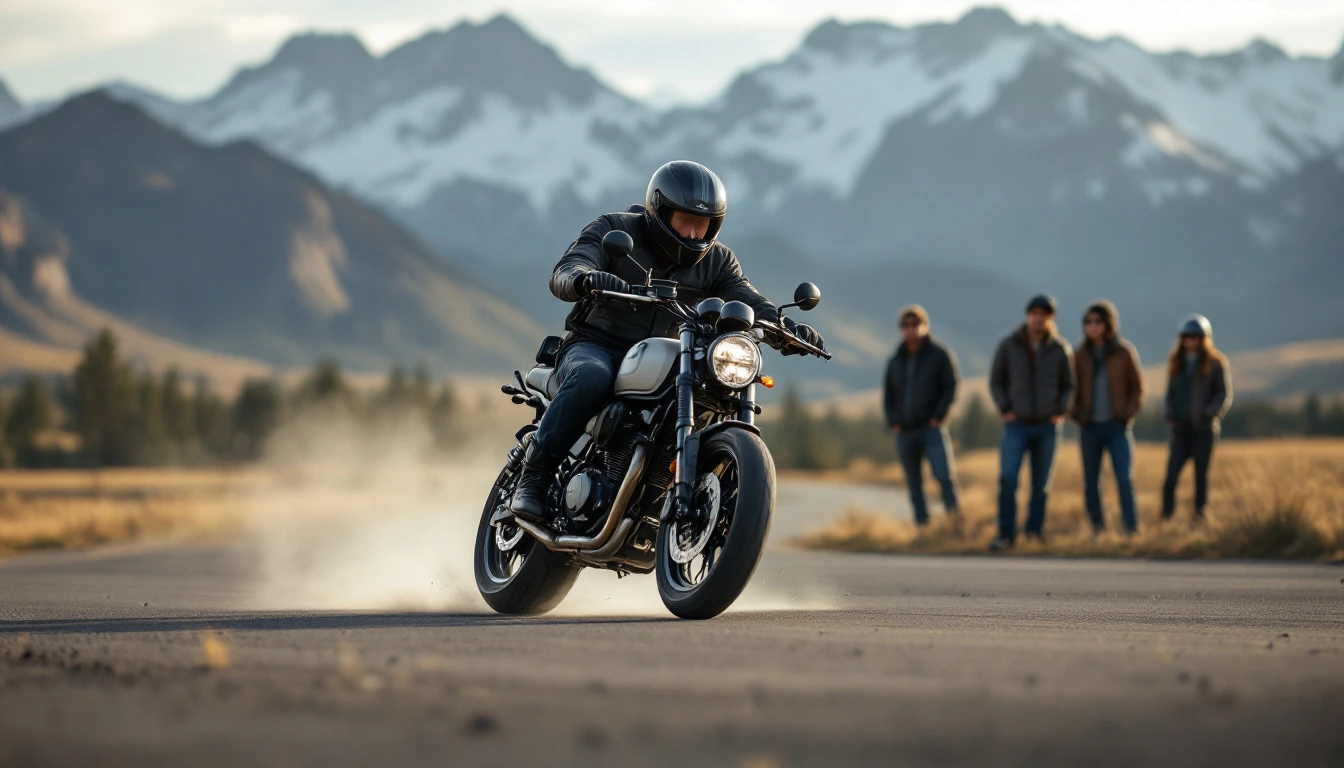
motorcycle safety course to students on a training range' width='1200' height='675'>The Classroom Component: What Motorcycle Safety Courses Teach Before You Touch the Bike
Most courses begin with classroom or eCourse instruction before any riding happens. This foundational portion typically runs two to four hours and covers the "why" behind safe riding behavior, not just the rules.
Rider Attitude and Risk Awareness
The first thing instructors address is mindset. Riders who underestimate risk are statistically more likely to be involved in a crash. Courses cover how overconfidence, fatigue, and impaired judgment change your reaction time and decision-making on the road. You'll also look at common crash scenarios and why they happen, not to scare you, but to make the patterns recognizable.
Traffic Laws and Lane Positioning
Motorcycle-specific traffic laws, right-of-way rules, and lane positioning strategies are all covered in the classroom. You'll learn why lane position matters, how to make yourself visible to other drivers, and what Montana and other states require of licensed riders. For a broader look at how state programs are structured, the DPS approved motorcycle safety course guide breaks down what different state programs require.
Protective Gear and Pre-Ride Inspection
You'll spend time on gear: helmets, jackets, gloves, boots, and eye protection. Courses explain the difference between gear that meets safety standards and gear that just looks the part. Pre-ride inspections, known as the T-CLOCS check (Tires, Controls, Lights, Oil, Chassis, Sidestand), are introduced in the classroom and practiced before every riding session.
The Riding Range: Core Skills Every Course Covers
The riding portion is where most of your time goes. A standard MSF Basic Rider Course includes around six hours of coached range exercises spread across two days. Bikes and helmets are typically provided, so you don't need your own motorcycle to get started.
Ready to register your vehicle?
Join thousands of vehicle owners who use Montana Motorcycle Safety Foundation to handle their registration quickly.
Get started today. →Starting, Stopping, and Low-Speed Control
Every course starts with the basics: mounting, starting the engine, getting comfortable with the throttle and clutch, and coming to a controlled stop. These seem simple, but low-speed balance is one of the trickiest skills for new riders. Instructors walk you through friction zone control, which is the small range of clutch engagement that gives you power without jerking the bike.
For a detailed breakdown of what the first day looks like, the MSF Basic Rider Course guide covers the full session structure from orientation to final exercises.
Turning, Swerving, and Cornering
Riders practice slow-speed turns, U-turns within a marked box, and larger arcing corners. You'll learn about countersteering, which is the technique that makes high-speed turning work on a motorcycle, and how to look through a corner rather than staring at the apex. Mastering motorcycle turns at every speed is a skill set that takes practice beyond the course, but the range gives you the framework.
Emergency Braking and Hazard Response
Probably the most valuable range exercise: emergency stops. You'll practice stopping from speed as quickly as possible while maintaining control. Most modern courses teach both ABS and non-ABS stopping technique. You'll also practice swerving around a simulated obstacle, a skill most riders never practice but desperately need in a real emergency. Emergency preparedness drills for motorcyclists are worth revisiting even after you complete the course.
Street Strategy: What Courses Teach About Real-World Riding
Range exercises prepare you physically. Street strategy prepares you mentally. This section of the curriculum is often underestimated by new riders, but it's what separates riders who last from those who don't.
The SEE Strategy: Search, Evaluate, Execute
Most MSF-based programs teach the SEE (Search, Evaluate, Execute) framework for hazard management. You learn to scan the road environment, identify potential threats, and decide on a response before the situation becomes urgent. This is the foundation of motorcycle safety as a habit, not just a skill.
Intersections, Blind Spots, and Visibility
Intersections are where most motorcycle crashes happen. Courses spend significant time on intersection strategy: when to slow early, how to position yourself for maximum visibility, and how to account for drivers who may not see you. You'll learn how to use your lane position to stay out of blind spots and how to make eye contact with drivers before proceeding.
Riding at Night and in Poor Conditions
Not every course includes night riding, but most address it in the classroom. You'll look at how headlight coverage changes at speed, how wet roads affect stopping distance, and how to adjust your following distance and speed for low-visibility conditions. The cold weather riding guide covers condition-specific adjustments that classroom time only scratches the surface of.
What the MSF Basic Rider Course Looks Like: A Quick Comparison
Most riders take either the MSF Basic Rider Course or a state-specific equivalent. Here's how the key elements typically stack up:
| Course Element | MSF Basic Rider Course | State DPS/DMV Approved Courses | Motorcycle Safety Course Online (eCourse) |
|---|---|---|---|
| Classroom / Theory | Yes (eCourse option available) | Yes | Yes (classroom only, no riding) |
| Riding Range Exercises | Yes (~6 hours) | Yes (varies by state) | No |
| Emergency Braking Practice | Yes | Yes (most states) | No |
| Helmet / Bike Provided | Usually yes | Varies | N/A |
| License Waiver (waives riding test) | Most states | Most states | No |
| Insurance Discount Eligible | Yes | Often yes | Sometimes |
| Duration | 15-20 hours total | Varies by state | 3-5 hours |
The Motorcycle Safety Foundation Basic Rider Course is the most widely recognized program in the country. Many states accept its completion certificate as a waiver for the DMV riding skills test.
What a Motorcycle Safety Course Does Not Teach You
Honest answer: quite a bit. Courses are designed to get you to a safe baseline, not to make you an expert. Knowing the limits of what you've learned is just as important as knowing what you've covered.
Advanced Cornering and Track Skills
The Basic Rider Course doesn't cover high-speed cornering technique, trail braking, or track-day skills. Those come from advanced courses or dedicated track programs. If you want to push your riding further, an advanced MSF course or sport riding school is the next step after your basic certification.
Passenger and Cargo Handling
Most basic courses don't cover two-up riding or how to adjust your Riding with a passenger or loaded luggage. Riding with a passenger changes your braking distance, cornering feel, and throttle response significantly, and most new riders find this the hard way after their first course.
Long-Distance and Group Riding
Group riding dynamics, hand signals, and formation riding aren't typically covered in a basic course. Group riding etiquette and hand signals are worth studying separately before your first group ride.
One pattern we see repeatedly in rider training contexts: the most frequent issue for returning students involves procedural compliance, specifically odometer-related documentation requirements, which mirrors a broader truth that technical details outside the range curriculum often catch riders off guard (internal data, rolling last 90 days, n=118)Frequently Asked Questions About Motorcycle Safety Courses
Do I need my own motorcycle to take a safety course?
No. Most MSF Basic Rider Courses provide motorcycles and helmets for range use. You don't need your own bike, license, or prior experience to enroll. This makes the course genuinely accessible for complete beginners. If you do have your own bike, some advanced courses allow you to bring it, but confirm with the course provider first.
How long does a motorcycle safety course take?
The standard MSF Basic Rider Course takes about 15 to 20 total hours, typically split over a weekend: an eCourse or classroom session beforehand, then two full days on the riding range. Some state-approved programs are structured differently, running over several evenings. Check with your local provider for the exact schedule. You can find courses near you at motorcycle safety course near me.
I just passed the motorcycle safety course. What now?
After passing, most states let you take your completion certificate to the DMV to receive a motorcycle endorsement without a separate riding test. You should also check whether your insurance carrier offers a discount for course graduates. Beyond that, practice is everything. The course gives you a foundation, but real skills come from consistent, deliberate riding in varied conditions. Don't skip gear, even for short rides, and consider an advanced course within your first year.
Does a motorcycle safety course qualify me for a license waiver?
In most states, yes. Completing an MSF Basic Rider Course or a state-approved equivalent waives the DMV riding skills test. You'll still need to pass a written knowledge test if you don't already have a motorcycle endorsement. Requirements vary by state, so confirm the specifics with your local motor vehicle office before your course date.
Can I take a motorcycle safety course online?
The classroom portion is available online through the MSF eCourse, which you can complete at your own pace. The riding range component, however, cannot be done online. Hands-on skill exercises require an in-person range session with a certified instructor. Some states accept the eCourse as fulfilling the knowledge requirement, but the riding component is always required for a full certification. Learn more about the MSF course structure before you register.
What should I bring to a motorcycle safety course?
Wear over-the-ankle boots, long pants (ideally reinforced), a long-sleeved jacket, and full-fingered gloves. A helmet is usually provided, but you can bring your own if it meets DOT standards. Bring your driver's license, any required registration paperwork from the course provider, and water. Range sessions can run several hours in varying weather, so dress for the conditions.
Are motorcycle safety courses worth it for experienced riders?
Yes. Even experienced riders pick up corrected habits and new techniques from structured instruction. Advanced MSF courses and refresher programs are designed specifically for riders who've been on the road for years. What really happens when you take a motorcycle safety course covers why returning riders often report the biggest skill improvements of all.
Does completing a course lower my insurance rates?
Many insurance carriers offer a discount for riders who complete an MSF or state-approved course. The discount varies by insurer, typically ranging from 5% to 15%, and may require completion of a refresher course every few years to maintain. Contact your insurer directly to confirm what they accept and how to submit your completion certificate.
A motorcycle safety course gives you the framework, the vocabulary, and the early muscle memory to become a safer rider. What is usually covered in a motorcycle safety course spans classroom theory, hands-on range skills, and real-world street strategy, but the work you do after the course is what separates competent riders from confident ones. Take the course, practice what you've learned, and don't stop there. The Motorcycle Safety Foundation and programs like it exist to keep riders on the road, not off it.