
Safety with helmets begins with selecting a piece of gear that meets recognized impact standards and fits your head correctly. A properly maintained helmet is the single most effective way to reduce the risk of head injury and death in the event of a crash by absorbing kinetic energy upon impact.
The Core Meaning of Safety With Helmets for Every Rider
When you ask what is safety with helmets, you are really asking how well your gear can survive a sudden collision. It is not just about having something on your head, it is about having a shell and liner system designed to distribute force. Most riders understand that head protection is important, but many overlook how the internal materials degrade over time. Once a helmet experiences a significant impact, the inner foam (EPS) compresses and loses its ability to protect you in a future incident, even if the exterior shell looks perfectly fine. You should treat your helmet as a single-use safety device in those scenarios.
Ready to take the next step? We can help.Understanding Helmet Safety Ratings and Standards
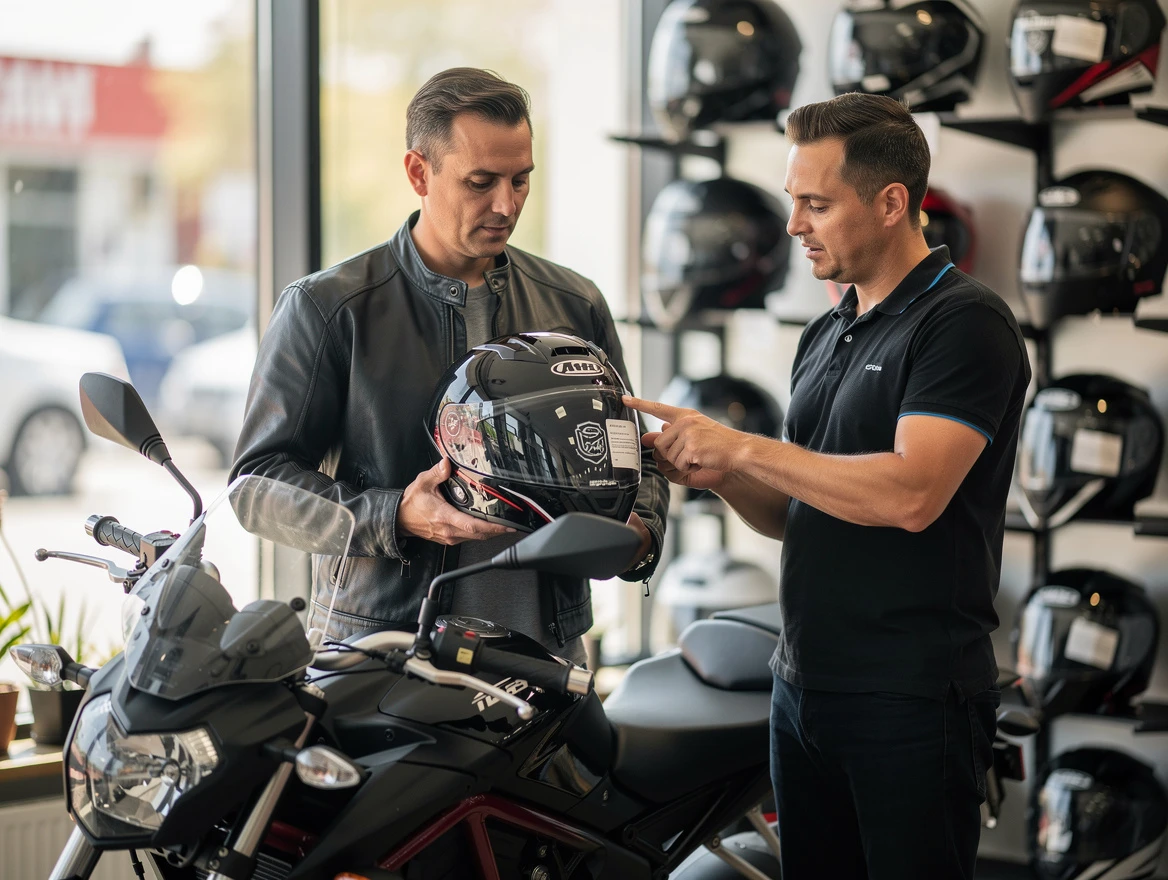
Not all helmets are built to the same level of performance. When you shop for gear, you will see labels like DOT, Snell, and ECE. These represent the minimum testing protocols a helmet has passed. The Department of Transportation (DOT) sets the baseline for street-legal use in the United States. Snell-rated helmets go through a more rigorous testing cycle that includes higher impact thresholds and durability testing. If you are serious about your protection, look for dual certifications that balance both street-legal compliance and higher safety standards.
Ready to register your vehicle?
Join thousands of vehicle owners who use Montana Motorcycle Safety Foundation to handle their registration quickly.
Get started today. →How Proper Fit Impacts Your Real-World Safety
You can buy the most expensive helmet on the market, but if it fits poorly, it cannot do its job. A helmet that is too loose will shift during an accident, exposing sensitive areas of your skull. A helmet that is too tight creates pressure points that cause fatigue and distraction, which is a safety risk in its own right. A secure fit means the inner padding presses firmly against your cheeks and temples without causing pain. If you can slide a finger between your forehead and the liner, it is time to look at a smaller size or a different brand profile.
Maintenance and the Five-Year Replacement Rule
Even if you never drop your helmet, the materials inside will eventually break down. Sunlight, sweat, and facial oils degrade the comfort liner and the structural integrity of the EPS foam over time. Most manufacturers recommend replacing your helmet every five years, regardless of how often you wear it. Think of this as an investment in your long-term health. Keeping a maintenance log can help you track how many seasons you have used a specific lid, ensuring you never push your gear past its safe expiration date.
Data-Driven Insights on Gear Success

We see a high volume of riders looking for guidance on equipment and licensing. Our team processes thousands of documents, and we prioritize precision to keep your record accurate. When documents need correction, 54.8% are resolved by our internal team without requiring further action from you (internal data, rolling last 90 days, n=84). This dedication to detail applies to every aspect of your riding experience, from the gear you wear to the paperwork that keeps you compliant on the road.
Building Better Habits Through Training
Your helmet is the last line of defense, but your brain is your primary safety tool. Taking a motorcycle safety foundation basic rider course teaches you the situational awareness needed to avoid an accident entirely. When you combine high-quality protective gear with defensive riding techniques, you significantly raise the odds in your favor. Never assume that gear alone makes you invincible. It is the combination of training, road strategy, and reliable equipment that builds a successful rider.
Frequently Asked Questions About Helmet Safety
How do I know if my helmet is still safe after a drop?
If a helmet falls from a significant height, especially onto a hard surface like concrete, assume the internal structure is compromised. The EPS liner does not always show damage on the outside. When in doubt, replace it.
Does the age of the helmet really matter?
Yes. The chemical composition of the protective foam and the adhesives holding the shell together deteriorate over time. Five years is the industry standard for the service life of most high-quality helmets.
What is the difference between ECE and DOT ratings?
DOT is a self-certification standard used in the US, while ECE is an international standard that involves batch testing of helmets. Many riders prefer ECE-rated helmets for their thorough testing procedures.
Can I wear a helmet that was used by someone else?
It is generally discouraged. You do not know if the previous owner dropped it, and the interior lining molds to the original owner's head shape over time, which may not provide the secure fit you need for maximum protection.
Are full-face helmets safer than half-helmets?
Statistical research consistently shows that full-face helmets offer better protection because they cover the jaw and chin, which are frequent impact points in motorcycle accidents.
Ready to take the next step? We can help.