
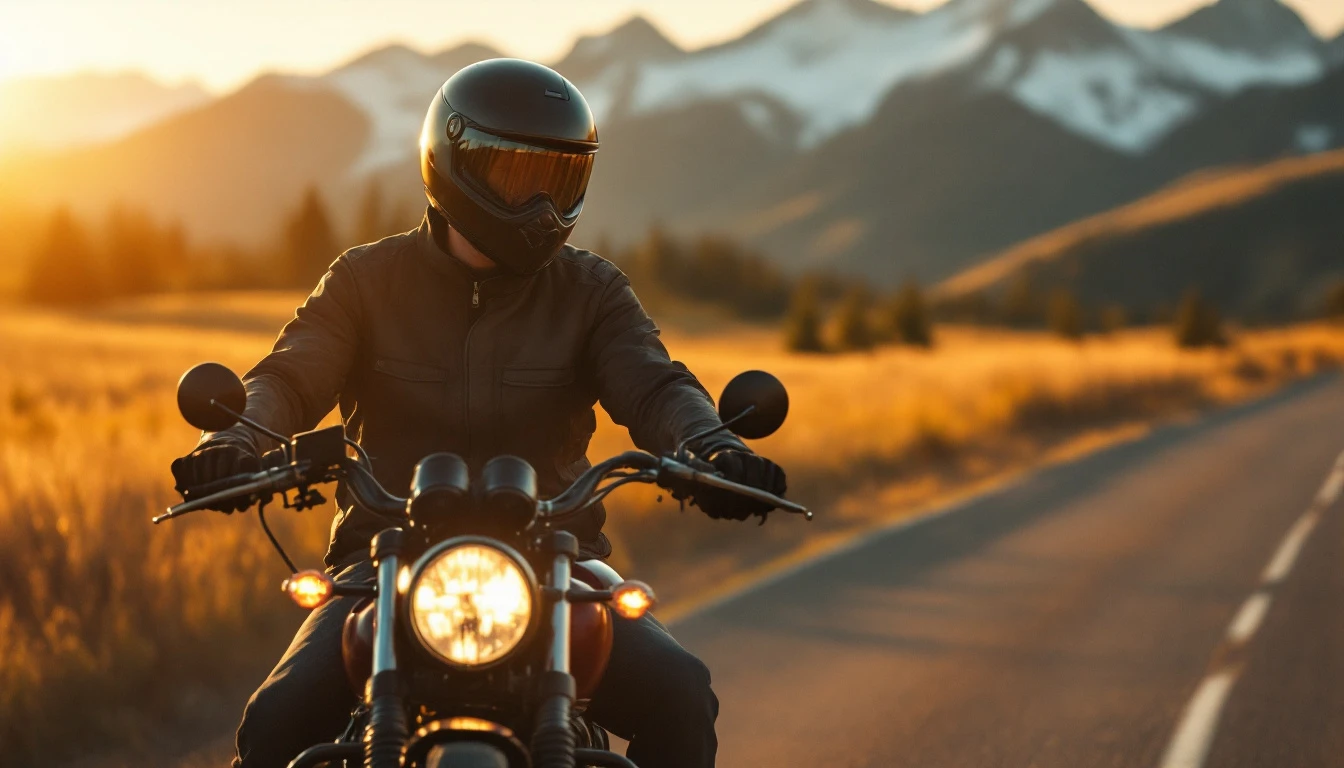
Dressing for the unexpected starts with one rule: rain doesn't wait for you to be ready. Every motorcyclist riding in mixed conditions needs a layered waterproof setup that covers the head, hands, torso, legs, and feet before a single drop falls. Get those five zones right, and a surprise downpour becomes a manageable situation, not an emergency.
This guide breaks down the specific gear categories, what to look for in each, and how to build a kit that works whether you're commuting across town or touring through Montana's mountain passes. You'll also find a quick-reference comparison table and answers to the most common questions riders ask about wet-weather riding.
Good motorcyclists know how to plan for conditions they can't control. Knowing your gear before the weather changes is one of the sharpest safety habits you can build.
The Right Waterproof Motorcycle Gear Covers Five Zones, Not Just One
Most riders think of rain gear as a single item, a jacket. But water finds every gap, and one dry zone doesn't make up for three soaked ones. A complete wet-weather setup addresses the head, hands, upper body, lower body, and feet as separate problems with separate solutions.
Head and Face: Helmet Fog and Water Management
A full-face helmet is your best baseline. Anti-fog inserts or Pinlock-compatible visors are worth every penny, a fogged visor in the rain is genuinely dangerous. Neck gaiters made from water-resistant fabric seal the gap between helmet and collar. If you ride an open-face setup, a waterproof balaclava under the helmet adds meaningful protection without bulk.
Hands: Waterproof Gloves or Overmitts
Cold, wet hands lose sensitivity efficient. That means slower brake response and weaker throttle control. Look for gloves with a waterproof membrane liner, Gore-Tex or a comparable laminate. If you own summer gloves you love, neoprene overmitts that slip over them are a practical backup. Keep them in your bag. You won't regret the extra weight.
Torso and Legs: Jacket and Pants That Work Together
The jacket-to-pants connection is the most common leak point on the road. A jacket and pants with an interlocking zip system close that gap. Textile jackets with sealed seams and a removable waterproof liner are more versatile than dedicated rain suits for most riders, since the liner pulls out for dry days. If you ride a separate rain suit over your regular gear, make sure the suit's cuffs tuck inside your gloves and the ankle cuffs fit over your boots, not under them.
Feet: Waterproof Motorcycle Boots
Standard leather boots soak through in under ten minutes of standing rain. Waterproof motorcycle boots with ankle armor keep feet dry significantly longer and provide the impact protection that sneakers or work boots can't match. For riders who prefer their regular boots on dry days, waterproof boot covers are a compact, affordable backup.
Visibility in Rain Is as Important as Staying Dry
Wet roads cut your stopping distance and reduce what other drivers can see. Being visible when it rains isn't optional, it's part of your protective strategy. High-visibility yellow and orange gear is the most effective choice, but any gear with retroreflective panels improves your profile to drivers in low-light rain conditions.
Ready to register your vehicle?
Join thousands of vehicle owners who use Montana Motorcycle Safety Foundation to handle their registration quickly.
Get started today. →Reflective Panels and High-Vis Colors
Look for gear with reflective striping on the arms, shoulders, and back. A 360-degree reflective pattern means you're visible from the front, sides, and rear, not just from behind. Hi-vis yellow is most effective in daylight rain. Retroreflective silver-gray tape is better at night. The best gear combines both.
Lighting Add-Ons for Wet Days
Clip-on LED running lights for your helmet or jacket are inexpensive and highly effective. Many riders also add auxiliary LED strips to their bikes for rain days specifically. Check that your existing lights are properly aimed and functioning before every wet-weather ride. Drivers should allow at least a few seconds of following distance for motorcycles, and that margin shrinks significantly in rain, visibility gear helps enforce it.
Staying Seen at Intersections
Intersections are where most collisions happen. Rain makes them worse because drivers are distracted and sight lines are shorter. Position yourself in the lane where you're most visible to oncoming and crossing traffic. High-vis gear doesn't just protect you in a crash, it helps prevent one. Defensive riding techniques and conspicuous gear work best together.
Layering Strategy: Staying Warm Without Overheating
Rain riding isn't just about keeping water out. Wet cold is more fatiguing than dry cold, and overheating under a sealed rain suit is a real problem on mild days. Layering correctly means you can adjust as conditions shift.
The Base Layer Matters More Than Riders Think
A moisture-wicking base layer under your riding gear moves sweat away from your skin. On a cold rain day, a mid-weight thermal base layer under your jacket liner adds warmth without bulk. Avoid cotton, it absorbs water and holds it against your skin. Merino wool or synthetic thermal fabrics are the right choices here.
The Mid Layer: Warmth That Adjusts
A thin fleece or softshell mid layer under your outer jacket works well in temperatures between 45°F and 60°F. Above that range, skip it. Below 45°F, you may want a heated vest or jacket liner, battery-powered options are now affordable and genuinely change cold-weather riding. Your body's comfort directly affects your fatigue level, and cold, stiff muscles respond slower in emergency situations.
When to Ditch a Layer Mid-Ride
Honestly, don't tough it out if you're overheating. Overheating reduces concentration just as much as cold does. If your gear has pit-zip vents, open them. If you're in a full rain suit and temperatures rise, pull over and remove the mid layer. A 5-minute stop beats 90 minutes of foggy thinking behind the bars.
| Gear Category | Key Feature to Look For | Budget Option | Mid-Range Option | Bespoke Option |
|---|---|---|---|---|
| Full-Face Helmet | Pinlock-ready visor, anti-fog insert | $150-$250 | $300-$550 | $600+ |
| Waterproof Gloves | Membrane liner (Gore-Tex or equivalent) | $40-$80 | $90-$160 | $180+ |
| Textile Riding Jacket | Sealed seams, removable waterproof liner | $120-$200 | $250-$450 | $500+ |
| Riding Pants | Interlocking zip to jacket, knee/hip armor | $80-$150 | $180-$350 | $400+ |
| Waterproof Boots | Ankle armor, waterproof membrane | $80-$140 | $160-$300 | $350+ |
| Overpants / Rain Suit | Taped seams, boot-over-cuff design | $30-$60 | $70-$130 | $150+ |
Building a Gear Kit You'll Actually Use
The best rain gear is the gear you have with you. A $400 waterproof suit left at home doesn't help when clouds appear at mile 200 of a 300-mile day. Building a practical kit means thinking about packability, weight, and how the gear fits into your riding routine.
Packable Rain Gear for Day Trips
If you don't want to ride in full textile gear every day, a packable one-piece rain suit compresses to roughly the size of a water bottle and fits in a tank bag or tail bag. Pair it with waterproof glove covers and a neck gaiter, and you've covered the major leak points for under $100 total. Riders who take the MSF Basic Rider Course often hear this advice from instructors: always carry rain gear, always.
Gear That Earns Its Keep on Long Tours
For touring riders doing multi-day trips, a textile adventure jacket and pants with built-in armor and removable waterproof liners is the most efficient setup. You're not adding weight for a separate rain kit, the protection is already there. Quality gear from this category also tends to hold up to repeated use, UV exposure, and the wear that comes with serious mileage. Check out our article on how motorcycle safety equipment has evolved to understand why modern textile gear performs so differently from older designs.
Maintenance Keeps Waterproofing Working
Waterproof membranes degrade when surface DWR (durable water repellent) coatings wear off. Water stops beading and starts soaking into the outer fabric, which makes the jacket feel wet even when the membrane is intact. Wash your gear with a tech wash designed for waterproof fabrics, then re-apply a spray or wash-in DWR treatment. Most gear needs this once or twice a season with regular use.
Safety Skills Are the Other Half of Riding in Rain
Gear keeps you dry. Skills keep you upright. Rain reduces traction, increases stopping distances, and changes how your bike responds. The physical setup and the rider's knowledge have to work together. Gear alone doesn't solve for poor wet-weather technique.
Traction Awareness in Wet Conditions
In rain, braking distances increase by 30 to 50 percent. Smooth, progressive inputs matter more than ever. Avoid painted lines, metal grates, and manhole covers, they become extremely slippery when wet. Look further ahead than you normally would, giving yourself time to adjust before you need to react. These habits are central to what experienced riders say changed how they ride.
Training Makes Rain Less Intimidating
Riders who've completed a Motorcycle Safety Foundation course handle wet conditions with noticeably more confidence. The MSF curriculum builds the muscle memory needed for smooth braking and cornering, the same techniques that prevent slides in low-traction situations. If you haven't refreshed your skills recently, revisiting an MSF course is one of the most practical investments a rider can make.
Over 5,000 customer orders have been completed through our registration partners, reflecting just how many riders are actively building out their full motorcycle setup, including registration, gear, and training (internal data, lifetime, n=5,386).
Frequently Asked Questions About Wet-Weather Motorcycle Gear
What is the most important piece of rain gear for motorcycle riding?
A waterproof jacket with sealed seams and a removable liner is the single most impactful piece. It covers your core, which regulates body temperature, and typically includes armor at the shoulders and elbows. Without a dry, warm torso, your concentration and reaction time drop quickly. That said, a jacket without waterproof gloves and boots still leaves critical gaps, so the goal is always a complete kit.
Can I ride a motorcycle safely in heavy rain?
Yes, with the right gear and adjusted riding technique. Reduce your speed, increase your following distance, avoid sudden braking or acceleration, and stay off slick surfaces like painted lines and metal grates. Full protective gear, including a full-face helmet, waterproof jacket and pants, and grippy waterproof boots, is non-negotiable in heavy rain. If visibility drops severely, pulling over and waiting out the worst of it is always a sound decision.
How do I keep my motorcycle helmet visor from fogging in the rain?
The most effective solution is a Pinlock anti-fog insert, which creates a double-pane effect that eliminates condensation. If your helmet is Pinlock-compatible, installing one is straightforward. For helmets without Pinlock, anti-fog visor spray applied to the inside of the visor helps but needs reapplication. Cracking the visor slightly to allow airflow also reduces fogging, though it lets in some rain. A neck gaiter that directs your breath downward rather than upward to the visor also makes a noticeable difference.
Are one-piece rain suits better than two-piece for motorcycle riding?
One-piece suits are excellent for packability and tend to have fewer gaps for water to enter. They're ideal as a backup kit carried in a bag. Two-piece systems, jacket and pants that zip together, offer more flexibility for layering and temperature adjustment on longer rides. Most touring riders prefer a two-piece textile setup with built-in waterproofing, while commuters and day-trippers often rely on a packable one-piece suit over their regular gear.
What boots should I wear when riding a motorcycle in the rain?
Waterproof motorcycle boots with ankle protection are the right answer. Look for boots with a Gore-Tex or equivalent waterproof membrane and a sole designed for grip on wet surfaces. If you prefer wearing your regular motorcycle boots, waterproof boot covers are a practical backup that pack small. Standard leather boots without a waterproof treatment will soak through quickly and provide no ankle armor if you go down.
Does motorcycle safety gear really protect you in the rain?
Absolutely. Beyond keeping you dry, properly rated riding gear protects against road rash and impact injuries whether the road is wet or dry. In fact, wet conditions increase the likelihood of a low-side slide, making abrasion-resistant gear even more valuable. CE-rated armor at the knees, hips, elbows, shoulders, and back provides impact protection that no amount of clothing layers can replicate. See our detailed breakdown of how effective motorcycle safety gear really is.
Should I take a motorcycle safety course before riding in wet conditions?
Yes. Wet-weather riding requires precise throttle, brake, and steering inputs that are best built through structured training. The MSF Basic Rider Course teaches the foundational control skills that apply directly to low-traction situations. Many experienced riders also return for advanced courses specifically to sharpen their wet-weather and emergency braking technique. Find a complete guide to Montana Motorcycle Safety Foundation courses to see what's available near you.
How should I store my rain gear so it's ready when I need it?
Keep packable rain gear in your motorcycle's storage at all times, not at home. A tail bag, tank bag, or saddlebag is the right place for a folded rain suit, glove covers, and a neck gaiter. Check the DWR coating on your gear at the start of each riding season and re-treat it if water no longer beads on the surface. Storing gear loosely rather than compressed for long periods helps the waterproof membrane last longer.
Dressing for the unexpected means making decisions before the clouds appear, not after. The riders who stay comfortable and dry when the rain returns are the ones who packed their waterproof kit, maintained their gear, and built the wet-weather riding skills to back it all up. Gear is only half the equation. Training, preparation, and knowing your equipment complete the picture. Get your kit sorted, refresh your skills, and ride through whatever the weather brings.