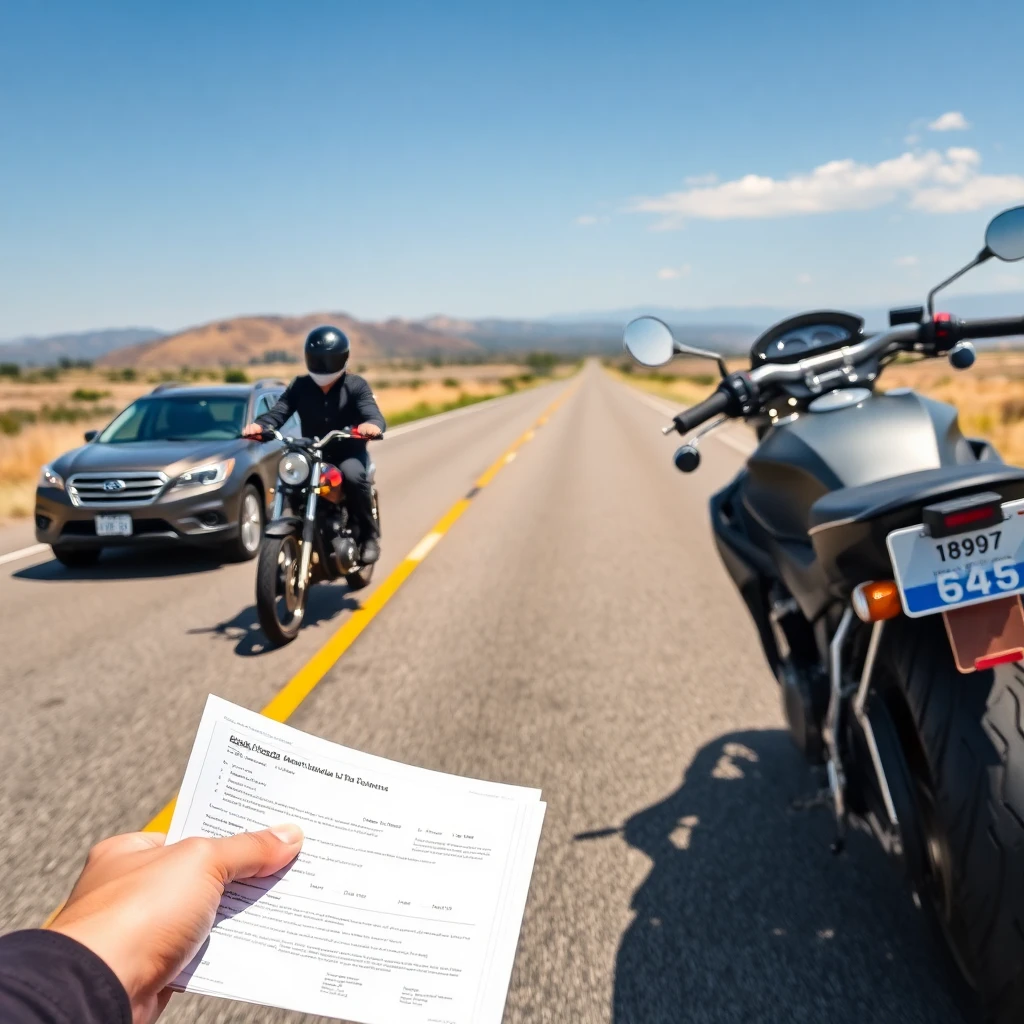
Risk offset motorcycle riding means deliberately stacking behaviors, gear, and training to reduce the probability and severity of a crash. Riders can't eliminate risk entirely, but research and real-world data consistently show that formal training, proper protective gear, and sharp situational awareness cut both crash frequency and injury outcomes by a measurable margin. This article breaks down exactly which offsets matter most, how they work together, and what you should do first.
Training Is the Highest-Return Risk Offset for Motorcycle Riders
No single action drops your risk profile efficienter than structured training. The Motorcycle Safety Foundation Basic Rider Course has been the benchmark for decades, and for good reason. It forces riders to practice emergency stops, swerving, and low-speed control in a controlled environment where a mistake costs you nothing but pride.
I watched this play out in real time during a training day a few years back. A rider with fifteen years of experience took the refresher course almost as a joke. Twenty minutes in, he realized he'd been braking wrong for a decade. That's the thing about skill drift: you don't notice it until something makes you aware of it.
What a basic rider course Actually Teaches You
A basic rider course covers throttle and clutch control, cornering technique, emergency braking, hazard scanning, and low-speed maneuvering. Many riders assume they'll breeze through. Most find at least two or three habits they need to correct. The curriculum is built around muscle memory, not just knowledge, so the skills stick when it actually counts.
Why Experienced Riders Still Benefit from Refresher Courses
Skills decay. That's not an opinion, that's just how motor learning works. A rider who puts the bike away every winter and picks it back up in April is operating on stale reflexes for the first few rides of the season. Taking a refresher course annually or every few years is one of the most underrated risk offset choices any rider can make, regardless of experience level.
Finding a Motorcycle Safety Course Near You
Riders across Montana, South Dakota, and nationwide can find a motorcycle safety course near them through the MSF's course locator or directly through the Montana Motorcycle Safety Foundation's training catalog. Many courses satisfy state licensing requirements too, which means you may be able to remote paperwork support riding test entirely. That's a practical bonus on top of the genuine safety value.
Gear Is Your Second Layer of Risk Offset, and It Has to Fit
Gear doesn't prevent crashes. It's what keeps a crash from ending your season, or your life. The difference between sliding across pavement in a t-shirt versus a proper textile jacket is the difference between road rash that requires a skin graft and road rash that heals in two weeks. I've seen both. The jacket wins every time.
Ready to register your vehicle?
Join thousands of vehicle owners who use Montana Motorcycle Safety Foundation to handle their registration quickly.
Get Started Today →The gear conversation usually stalls on helmets, but full risk offset means covering all the contact points: helmet, jacket with CE-rated armor, gloves, over-the-ankle boots, and pants with hip and knee protection. Most riders skip at least one item. Most riders who end up in the ER wish they hadn't.
Helmets and the Statistics Behind Them
NHTSA data shows helmets are about 37% effective at preventing fatal injuries for motorcycle operators. That's not a small number. Full-face helmets add chin and face protection on top of that, which matters because a significant share of impacts hit the chin bar area. Gear genuinely makes a difference, and the research backs it up.
Jackets, Gloves, and the Gear Riders Skip Most Often
Gloves are the most commonly skipped piece of protective equipment. The instinct in a crash is to put your hands out, which means your palms hit the ground first. A good pair of motorcycle gloves with palm sliders and knuckle protection is a $100 investment that protects one of the most intricate and hard-to-repair parts of your body. Wear the gloves.
The Risk Offset Motorcycle Comparison: Training vs. Gear vs. Riding Habits
Not all risk offsets are created equal. Some reduce the probability of a crash. Others reduce the severity of injuries when a crash happens. The most effective riders layer both, but if you had to rank them by impact, training sits at the top because it addresses the root cause: rider error is involved in the majority of motorcycle crashes.
| Risk Offset Strategy | Type of Protection | Effort Required | Cost Range |
|---|---|---|---|
| MSF Basic Rider Course | Crash probability reduction | Weekend commitment | $0, $350 |
| Advanced / Refresher Course | Crash probability reduction | One day | $50, $250 |
| Full Protective Gear (helmet, jacket, gloves, boots, pants) | Injury severity reduction | Daily habit | $400, $1,500+ |
| Defensive Riding Habits | Crash probability reduction | Every ride | Free |
| Motorcycle Insurance | Financial loss reduction | Annual renewal | $100, $500+/yr |
| Pre-Ride Inspection (T-CLOCS) | Mechanical failure prevention | 5 minutes per ride | Free |
Defensive Riding: The Daily Practice Behind Risk Offset Motorcycle Safety
Defensive riding isn't a mindset you switch on for scary situations. It's a set of habits you build until they're automatic. The riders who consistently survive close calls aren't just lucky. They've trained their eyes to scan farther ahead, their hands to cover the brake lever at intersections, and their brains to process escape routes before they need them.
The top defensive driving techniques for motorcycle safety share a common thread: position yourself to be seen, give yourself time to react, and don't assume other drivers know you're there. Honestly, that last one saves lives every day.
Lane Positioning and Visibility
Your lane position does more work than most riders realize. Riding in the left third of your lane while following a vehicle keeps you out of the oil-drip zone, gives you a better sightline, and makes you more visible in the vehicle's mirrors. Being seen is one of the most important choices a rider makes, and it costs nothing to position yourself better.
Following Distance and Reaction Time
Cars need about 1.5 seconds to stop from 35 mph. Motorcycles can stop efficienter, but only if the rider reacts in time. Most riders underestimate how much following distance they need, especially when fatigued or in unfamiliar traffic. A three-second gap is a realistic minimum. More is better. Following distance matters more than most riders think, and increasing it is the simplest free upgrade available.
Intersections and the Most Dangerous Moment in Every Ride
The data on motorcycle crashes and intersections is sobering. A vehicle turning left across your path is one of the most common crash scenarios, and it tends to happen because the car driver simply didn't register your presence. Slowing slightly, covering the brake, and positioning yourself in the lane for maximum visibility at every intersection adds seconds to your ride and potentially years to your life.
Insurance and Registration as Part of Your Risk Offset Plan
Financial risk is part of the equation too. A crash that totals your bike and sends you to the hospital without proper coverage can cause financial damage that outlasts the physical injuries by years. Getting your motorcycle properly registered and carrying adequate insurance closes the financial side of the risk gap.
Montana riders can find solid coverage options tailored to their riding habits through motorcycle insurance resources specific to Montana. If you're also sorting out registration, Ride Legal provides motorcycle and powersport registration assistance that simplifies the paperwork side of ownership.
The most frequent reason registration documents come back for correction is Bill of Sale issues, which is exactly the kind of paperwork headache that riders don't want slowing down their ability to get riding (internal data, rolling last 90 days, n=97). Getting documentation right the first time matters.
What Motorcycle Insurance Actually Covers
Standard motorcycle insurance typically covers liability (damage you cause to others), collision (damage to your bike in a crash), and complete (theft, weather, non-collision damage). Uninsured motorist coverage is worth adding in states where it's optional, because a significant number of drivers carry no insurance at all. Don't assume the car that just hit you has coverage.
Frequently Asked Questions About Risk Offset Motorcycle Safety
What does risk offset mean in motorcycle riding?
Risk offset in motorcycle riding means taking deliberate actions that reduce either the probability of a crash or the severity of injuries if one occurs. Training reduces crash probability by improving skill and hazard recognition. Gear reduces injury severity by protecting your body on impact. Defensive riding habits work on both. The most effective approach layers all three rather than relying on any single strategy.
Does the Motorcycle Safety Foundation Basic Rider Course actually reduce crash risk?
Yes. The MSF Basic Rider Course has been studied extensively and is consistently associated with lower crash involvement among participants. The course builds emergency braking, swerving, and hazard scanning skills that translate directly to real-world situations. Many insurance companies also offer bespoke discounts to riders who complete it, which means the financial benefits compound the safety ones.
How do motorcycle death statistics compare to car statistics?
Motorcyclists face significantly higher fatality rates per mile traveled compared to car occupants. NHTSA data consistently shows motorcyclists are roughly 24 times more likely to die per mile traveled than passenger car occupants. That gap is largely explained by the absence of structural protection, which is exactly why risk offset strategies, especially training and gear, matter so much more on two wheels than four. You can look at the broader context in our breakdown of why motorcycle safety matters.
Is a motorcycle safety course online available for license purposes?
Some states accept an online motorcycle safety course eCourse for the knowledge portion of licensing requirements, but virtually all require an in-person riding skills evaluation before issuing a motorcycle endorsement. The MSF eCourse is a solid preparation tool, but it doesn't replace range time. Check your state's specific requirements before assuming an online course satisfies all licensing conditions.
What gear provides the best risk offset for daily commuting?
For daily commuting, the best gear balances protection with wearability. A full-face helmet, a textile jacket with CE Level 2 armor at shoulders and elbows, motorcycle gloves, and over-the-ankle boots cover the highest-impact zones without being impractical to wear every day. Riders who commute regularly can find a detailed gear breakdown in our guide to the best motorcycle safety gear for daily commuting.
How often should I take a motorcycle safety refresher course?
Most safety specialists recommend a refresher course every two to three years for active riders, or any time you return from a significant riding gap, change bike types, or start riding in new conditions like highways after years of street riding. Skills drift in predictable ways, and a structured review catches habits you won't notice on your own. The Montana Motorcycle Safety Foundation offers training options for riders at all levels.
What factors influence motorcycle safety the most?
Rider behavior accounts for the largest share of crash involvement, particularly speed management, hazard recognition, and reaction time. Gear and bike condition matter but have less impact than the decisions the rider makes in the seconds before a crash becomes unavoidable. Training that improves these behavioral factors consistently produces the strongest risk offset results. See our detailed breakdown of what factors have the strongest influence on motorcycle safety for more on this.
Putting It All Together: A Practical Risk Offset Motorcycle Plan
Risk offset for motorcycle riders isn't one decision. It's a stack of habits, investments, and commitments that compound over time. Start with training if you haven't taken a formal course, or a refresher if it's been more than two years. Audit your gear and fill the gaps. Build defensive habits into your pre-ride routine. And make sure your registration and insurance are current so that if something does go wrong, the financial side doesn't make a bad situation worse.
The riders I know who've been riding for thirty-plus years without a serious crash aren't just lucky. They've made these choices consistently, and they keep making them. That's what risk offset actually looks like in practice.
The Montana Motorcycle Safety Foundation's training programs are built around exactly this kind of layered, practical approach to rider safety, whether you're in Montana, South Dakota, or anywhere else in the country.