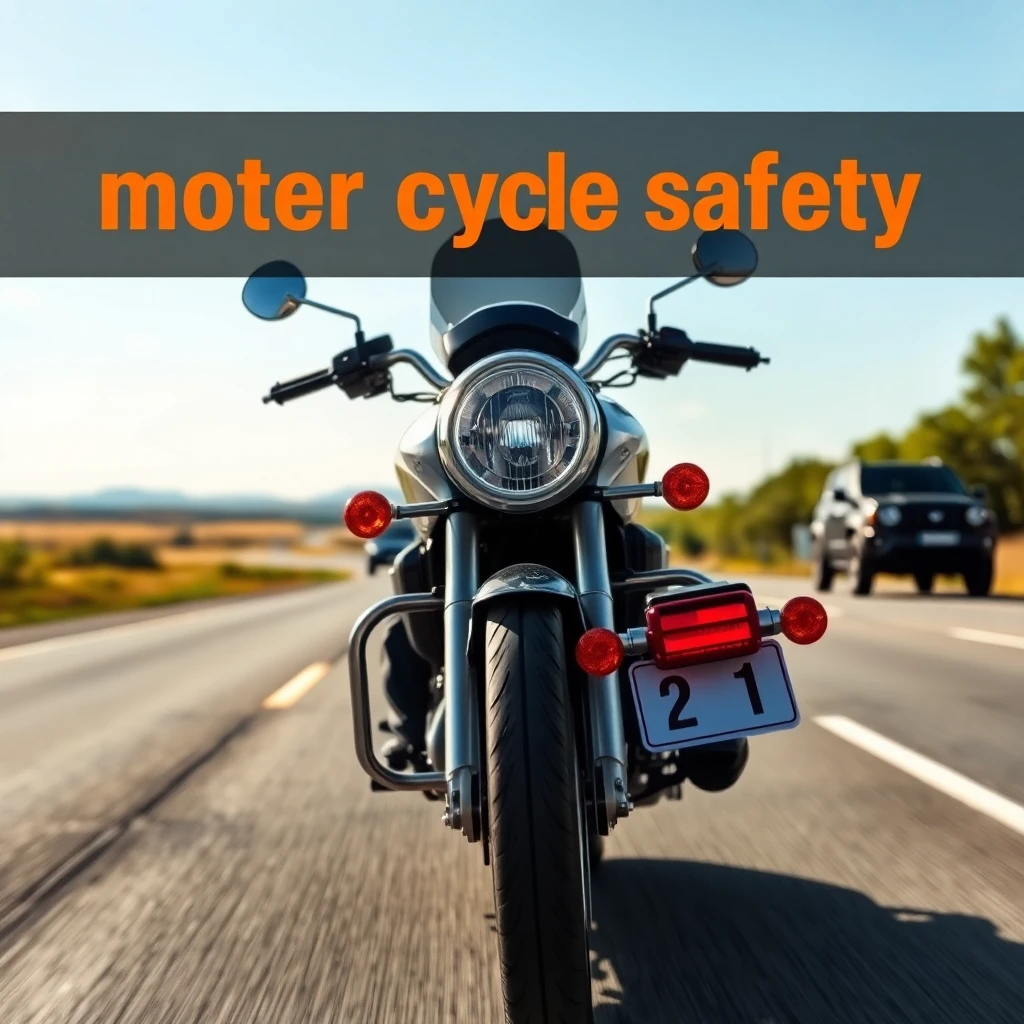
Motor cycle safety comes down to three things: proper training, the right protective gear, and consistent defensive riding habits. Riders who invest in all three dramatically reduce their risk on every road, from Montana's two-lane highways to busy city intersections. This guide covers what you need to know, whether you're brand new to riding or a seasoned rider looking to sharpen your skills.
I didn't take any of this seriously until my best friend went down on a weekend trail ride outside Billings. Nothing catastrophic, but bad enough that we both sat there thinking, "That was preventable." Since then I've spent years volunteering with the Montana Motorcycle Safety Foundation, watching riders of all experience levels work through training. The pattern is always the same: the ones who get formal instruction early build habits that stick.
Here's what this guide covers: the training courses worth taking, the gear that actually holds up in a crash, the riding habits that experienced riders swear by, and the answers to the questions most new riders are too embarrassed to ask.
Formal Training Is the Single Biggest Motor Cycle Safety Investment You Can Make
Most riders learn to ride from a friend or family member in a parking lot. That's fine for getting moving, but it skips a lot. Formal courses teach skills that are genuinely hard to replicate on your own: countersteering mechanics, emergency braking technique, low-speed balance, and hazard recognition. These aren't things you figure out naturally over time. You either learn them early, or you figure them out the hard way.
What the MSF Basic RiderCourse Actually Teaches You
The MSF Basic RiderCourse is the most widely taken entry-level motorcycle training program in the country, with over 27,000 monthly searches from riders trying to find it. And for good reason. The course combines classroom instruction with hands-on range exercises, covering everything from throttle and clutch control to emergency stops and swerving. Most states, including Montana, allow course graduates to waive the DMV riding skills test. That alone makes the time investment worth it.
The Motorcycle Safety Foundation also offers an eCourse option for riders who want to complete the classroom portion online before their range day. The MSF eCourse works well if your schedule doesn't allow a full weekend commitment up front.
Finding a Motorcycle Safety Course Near You
Searching for a motorcycle safety course near me is one of the most common rider queries online, and availability varies a lot by state. Montana has courses running through the warm season, typically April through October. Many courses fill up efficient, so booking several weeks ahead is standard practice. If you're in a state with a DPS-approved motorcycle safety course requirement, check your state's motor vehicle website for the approved provider list. The complete guide to Montana's courses and endorsements is a good starting point for riders in this state.
Advanced and Refresher Courses for Experienced Riders
Honestly, the riders who benefit most from refresher training are often the ones who've been riding for ten or fifteen years without an incident. Confidence builds, but so do bad habits. I've seen experienced riders on the range realize they've been braking wrong for years. The MSF recommends revisiting formal training every few years, and I agree with that. A half-day refresher can rewire habits efficienter than months of solo riding.
The Right Gear Is Non-Negotiable for Motor Cycle Safety
Gear doesn't prevent crashes. What it does is change the outcome of a crash from catastrophic to survivable. I've tested this firsthand. A lowside at 25 mph in full gear left me with a bruised ego and scuffed knee armor. The same fall in jeans would have been a skin graft. The difference matters.
Ready to register your vehicle?
Join thousands of vehicle owners who use Montana Motorcycle Safety Foundation to handle their registration quickly.
Get Started Today →The Five Pieces of Gear Every Rider Needs
- Helmet: A DOT-rated helmet is the minimum. ECE 22.06 or SNELL-certified helmets offer higher impact protection. Full-face helmets protect your chin and face, which account for a significant portion of helmet impact zones.
- Jacket: Leather or abrasion-resistant textile with CE-rated armor at the shoulders and elbows. Look for a back protector pocket, and actually put a back protector in it.
- Gloves: Motorcycle-specific gloves with palm sliders. Your hands hit the ground first in most falls. Regular work gloves don't cut it.
- Boots: Over-the-ankle boots with oil-resistant soles and ankle protection. Sneakers offer almost no protection in a slide or a pin.
- Pants: Riding pants with knee and hip armor. Most riders skip this one, and it shows up in injury stats.
For a deeper look at what gear actually performs in real-world conditions, the motorcycle safety gear guide breaks down materials, certifications, and what to prioritize at different budgets.
Gear for Daily Commuting vs. Weekend Riding
The gear conversation changes depending on how you ride. Commuters often sacrifice protection for convenience, which is a trade worth thinking hard about before making it. Mesh jackets with armor work well in summer commuting heat without roasting you alive. Gear built for daily commuting has improved a lot in the last decade, and there's no real reason to compromise on protection anymore.
How Gear Has Evolved and Why It Matters
Modern gear is significantly better than what was available even fifteen years ago. D3O and similar impact-absorbing materials replaced rigid hard-shell armor in many applications. Airbag vest systems, once reserved for racing, are now affordable for everyday riders. The evolution of motorcycle safety equipment is worth reading if you're still riding in gear from 2010.
Defensive Riding Habits That Actually Reduce Your Risk
Training gives you skills. Gear protects you when things go wrong. Defensive riding habits are what keep things from going wrong in the first place. This is the layer most riders underinvest in, because it's less visible than a new helmet or a course certificate.
Visibility Is a Constant Job
Being seen is one of the most underrated aspects of rider safety. Most multi-vehicle motorcycle crashes happen because the car driver didn't see the rider. Riding in visible lane positions, using your headlight on high beam during the day, wearing high-visibility gear, and staying out of blind spots all compound into a meaningful risk reduction. The visibility choices every rider should be making are simple but simplified to skip when you're focused on other things.
Following Distance and Hazard Scanning
Cars need about two seconds of following distance. Motorcycles need more, typically three to four seconds, because your stopping ability depends heavily on road surface conditions that don't affect cars the same way. Scanning 12 seconds ahead is a skill taught in the BRC and worth practicing on every ride. Following distance for motorcycles is something even experienced riders miscalibrate over time.
Mental Readiness and Fatigue
Riding tired is genuinely dangerous. Reaction time drops, decision-making slows, and hazard recognition suffers. I won't ride more than two hours without a break on a long trip. The mental side of riding, the focus required to stay sharp over hours on the road, is something most training courses touch on but riders often forget once they're back in their routines. The mental edge for riding safely is a real factor worth taking seriously.
Motor Cycle Safety Training: Course Comparison at a Glance
| Course Type | Who It's For | Format | Typical Cost | Key Benefit |
|---|---|---|---|---|
| MSF Basic RiderCourse (BRC) | New riders, no experience required | Classroom + range (2 days) | $100-$350 | License test waiver in most states |
| MSF eCourse | New riders with scheduling constraints | Online classroom, then range day | $20-$30 online portion | Flexible prep before range training |
| BRC2 / Advanced RiderCourse | Licensed riders with experience | Range-based, no classroom | $100-$250 | Skill improvement, insurance discounts possible |
| DPS-Approved Course | Riders in states requiring DPS approval | Varies by provider | $100-$400 | Meets state licensing requirements |
| Motorcycle Safety Academy Programs | All skill levels | Varies | $150-$500+ | Specialized curricula, track options |
For a full breakdown of what courses cost and what's included, the motorcycle safety course pricing guide covers fees by state and provider type.
Motorcycle Safety Awareness and Why May Matters for Every Rider
May is Motorcycle Safety Awareness Month, a national campaign that asks car drivers to share the road more carefully with riders. But honestly, the most useful part of awareness month isn't what it does for car drivers. It's the reminder it gives riders to check their own habits, their gear condition, and their skill currency before peak riding season kicks off.
What the Data Says About Motorcycle Crash Risk
The NHTSA consistently reports that motorcyclists are significantly overrepresented in traffic fatalities relative to miles traveled. Most fatal crashes involve either a failure to be seen by another driver, a rider losing control in a curve, or impairment. All three of these are addressable with training, visibility habits, and honest self-assessment before every ride. The most common causes of motorcycle accidents and how to avoid them break down these statistics into actionable habits.
Group Riding Safety
Group rides introduce a set of risks that solo riding doesn't. Formation riding, communication hand signals, and pace-setting for the least experienced rider in the group all matter. A group ride that goes wrong can affect multiple riders at once. The group riding etiquette and hand signals guide is worth reviewing before your next multi-rider run.
Getting Your Motorcycle Endorsement the Right Way
A formal endorsement isn't just a box to check. Riding without one affects your insurance coverage and can complicate a claim after an accident. If you haven't gotten yours yet, the process for getting a motorcycle learner's permit is simpler than most people expect, and completing a BRC typically satisfies the skills test requirement.
Also, if you're in Montana and need to get your bike registered and insured before riding season, Ride Legal handles motorcycle registration for Montana riders so you can focus on the road, not the paperwork.
One thing worth knowing from a paperwork standpoint: the most frequent reason registration documents come back for correction is a Bill of Sale issue, so double-check yours before submitting (internal data, rolling last 90 days, n=97).Frequently Asked Questions About Motor Cycle Safety
Do I need to take a motorcycle safety course to get my license?
In most states, completing an MSF Basic RiderCourse or a DPS-approved motorcycle safety course allows you to remote paperwork support skills test and go straight to your endorsement. Requirements vary by state, so check your local motor vehicle division. In Montana, completing a recognized safety course satisfies the skills test requirement for your motorcycle endorsement. The full breakdown on Montana motorcycle licensing covers the current requirements clearly.
What is the most important piece of motorcycle safety gear?
A properly fitted, DOT-certified helmet is the single most important piece of protective gear a rider can own. Head injuries are the leading cause of motorcycle fatality, and a quality helmet dramatically changes the outcome of a crash. That said, treating the helmet as the only piece of gear worth buying is a mistake. Jacket, gloves, boots, and riding pants all protect body parts that hit the ground in a crash and are worth the investment. See whether motorcycle safety gear really makes a difference for a detailed look at the evidence.
How often should I take a motorcycle safety refresher course?
The MSF recommends that riders take a refresher course every few years, or any time they've had a significant gap in riding. Even experienced riders pick up bad habits over time. A refresher course is also worth considering after a crash, after buying a new type of bike, or after a long off-season. Many insurance providers offer discounts for riders who complete continuing education courses, which makes the cost easier to justify.
Can I take a motorcycle safety course online?
The classroom portion of MSF courses is available online through the MSF eCourse. However, the range (riding) portion must always be completed in person, because physical skill development requires actual time on a motorcycle with instructor feedback. DPS-approved motorcycle safety courses online vary by state. Some states allow the theory component to be done online; none allow the full course to be completed without range time. Check your state's requirements before enrolling.
What should I do right after passing my motorcycle safety course?
Get your endorsement processed right away while your course completion certificate is current. Then make sure your bike is properly registered and insured before your first solo ride. Review what the course covered, specifically emergency braking and cornering technique, before your first significant road ride. The post-course checklist for new riders is a useful next step.
What defensive riding techniques matter most for motorcycle safety?
The techniques that make the biggest real-world difference are: riding in the most visible lane position, maintaining four seconds of following distance, scanning 12 seconds ahead for hazards, covering the brakes in intersections, and keeping your speed within your ability to stop in the visible road ahead. These aren't dramatic skills. They're habitual awareness adjustments that compound into much lower risk over time. For a deeper look, the top defensive driving techniques for motorcycle safety covers each one in detail.
Is motor cycle safety training worth it for experienced riders?
Yes, and experienced riders often get the most from it because they have specific habits to examine rather than starting from scratch. Riders who've been on the road for years often find that a refresher course highlights one or two mechanical skills, like brake input technique or emergency swerving, that they've been doing slightly wrong for a long time. Correcting those habits can take years off your reaction time in a real emergency. The full range of training services available at the Montana Motorcycle Safety Foundation includes options for riders at every skill level.
Motor cycle safety isn't a one-time decision. It's a set of habits you build through training, reinforce through good gear choices, and maintain through consistent defensive riding. The foundation you lay early in your riding life shows up every time something goes wrong on the road, and the riders who've invested in it are the ones who ride for decades instead of months.